12 zero-waste initiatives you can bring to your college campus

It takes more than just a campus recycling program

Whether in reaction to grassroots student initiative or their own concern with the global waste crisis, universities have started pledging to go zero-waste in the upcoming decades.

This is no paltry promise. In many ways, universities are genuine waste management nightmares. Take move-out day, for example. Frantic students often leave their unwanted belongings and trash in their dorm rooms or strewn across the sidewalk in front of their residential buildings. University infrastructure is left to deal with literally tons of waste; unless there are easily accessible donation stations, many goods that could have been reused will end up in the landfill.

Despite the potential to be high-volume waste producers, universities are uniquely equipped to regulate and manage the amount of waste they produce. Campuses are tightly monitored areas, where residents live relatively structured lives and where typically an extensive on-site facilities management or custodial team takes care of most waste management concerns. Furthermore, universities already have effective communication channels in place: forums and liaison groups allow the public, i.e. students, to voice its comments and concerns—one of the key components of implementing zero waste policies.
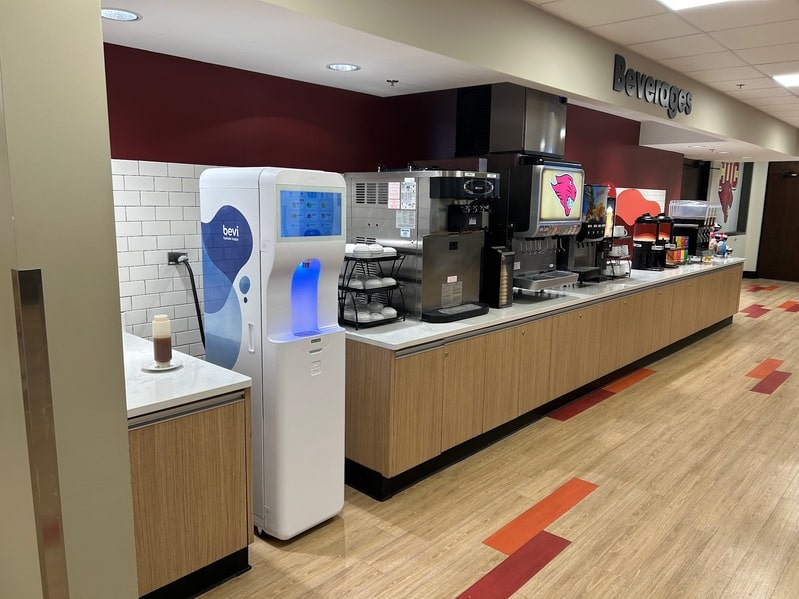
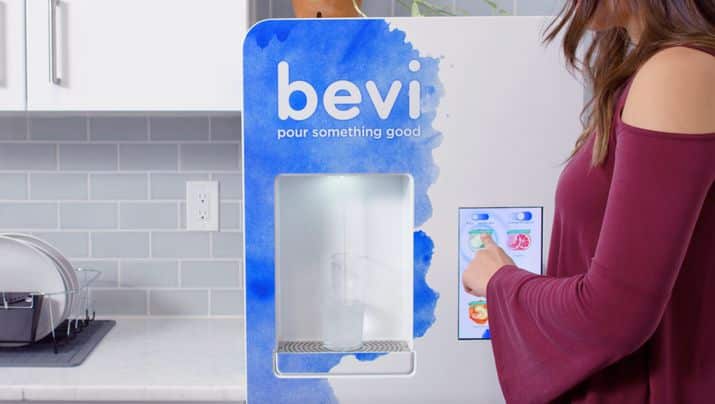
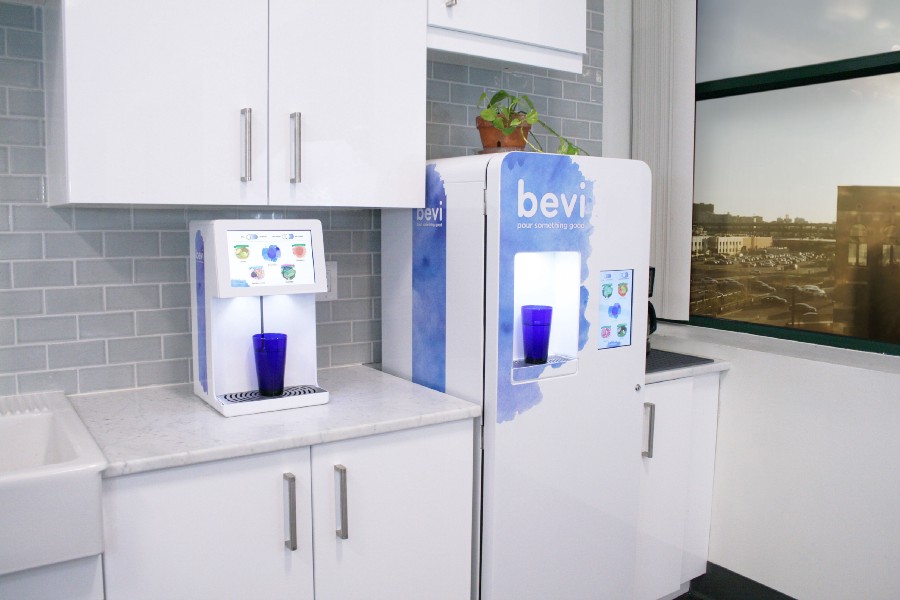
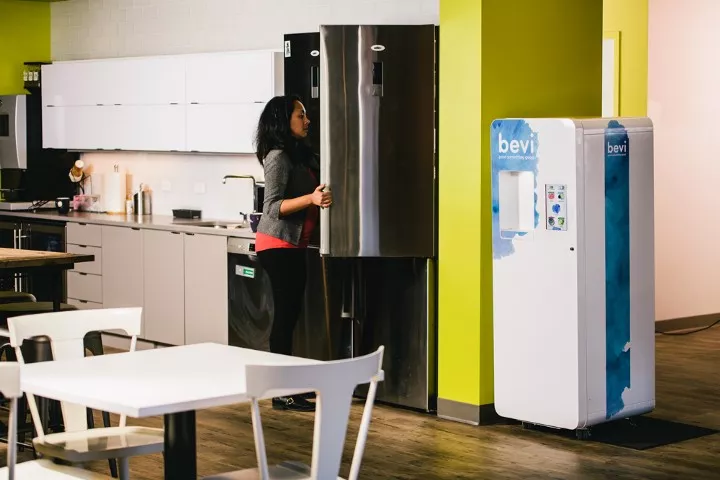
Bevi water machine in a college campus dining room.
Bevi’s Smart Water Coolers® purify tap water with advanced filtration and let students customize drinks with refreshing flavors and functional enhancements, contributing to the reduction in single-use plastic waste from RTD beverages.

Given these conditions, universities across the US have effectively used their communities and purchasing power to significantly reduce the amount of waste they send to the landfill. With Campus Sustainability Month coming up in October, even more college campuses are likely to jump on the zero waste bandwagon after revisiting their 2018-2019 sustainability goals.

Join the zero waste movement: check out these 12 zero waste initiatives you can bring to your college campus.

1. Make an environmental commitment and spread the word

The road to zero waste begins with setting an attainable goal. Assess your current programs and resources, and create a schedule for meeting each aspect of your goal. It’s important to get the word out and get key stakeholders on board before officially launching any initiatives.  

2. Conduct a waste audit

Waste audits provide useful benchmark data when setting sustainability goals. Choose a representative study area and time frame, and evaluate the effectiveness of your current waste management processes.

3. Organize sustainable move-in and move-out programs

On any campus, move-in and move-out day are undoubtedly two of the most wasteful days of the scholastic year. To prevent lightly-used furniture and goods from needlessly entering the landfill, many schools set up donation areas and tents during move-out day. At the University of Texas at Austin, the student-run Trash to Treasure Project collects donated items at the end of every semester, and sells them back to the UT community for a $1 each, allowing used dorm room furnishings to find a new home.

4. Go plastic free

Eliminating plastic from day-to-day life on campus is not as intimidating as it sounds. Most universities have hydration stations scattered throughout campus, thereby encouraging students to fill reusable bottles and reducing the campus’ reliance on single-use plastic bottles.
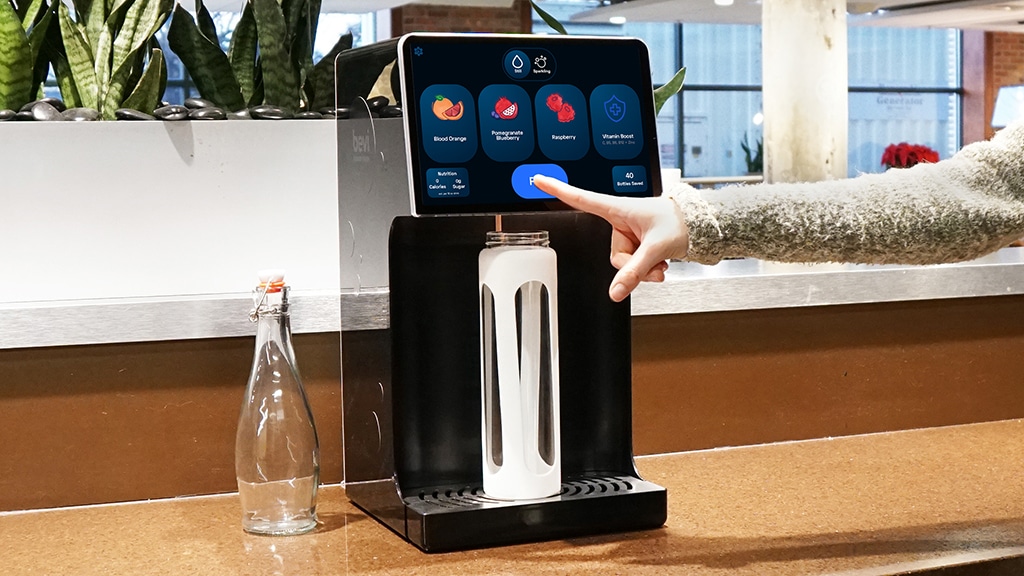
Bevi machine Countertop in black color, pouring beverage

"Bevi was the perfect solution...students look for today"

Bring the TikTok viral, Gen Z-loved beverage platform to your college campus: a Bevi Smart Water Cooler machine can pour filtered still and sparkling water with healthy, naturally flavored zero- and low-calorie options.

5. Create an on-campus thrift store or arrange clothing swaps

If you can’t reduce, reuse! A Campus thrift store is a popular, and often lucrative, place to turn trash into treasure. If securing a space to store and sell clothes proves too difficult, monthly clothing swaps are a great alternative. Don’t just throw out the contents of the Lost & Found or dorm room dresser after move-out day: collect the clothes and find them a new home!

6. Develop campus wide incentive programs to reinforce positive behavior

Stanford University, which is on track to be zero-waste by 2030, has an exemplary incentive program called ‘My Cardinal Green.’ First, all members of the Stanford community are asked to take a survey that suggests a curated list of sustainability actions. Upon completing the actions, participants then submit documentation outlining what they did. Finally, the program rewards participants with up to $75 in cash for their eco-friendly behavior.

7. Start a terracycling program for all your "unrecyclable" goods

While universities can control what they offer in their cafeterias and cafes, they can’t control all of the waste their students generate (i.e. whatever students buy and bring on campus). Terracycling allows plastic products that would normally end up in the landfill, such as candy wrappers, chip bags, plastic packing materials, etc, to get cleaned, processed and repurposed.   

Read more sustainability stories on Bevi's blog

8. Partner with local organizations, non-profits, etc. to form a food waste recovery plan. Alternatively, invest in composting

In recent years, on-campus food waste recovery programs have become standard. For example, Harvard University partners with the local Boston nonprofit, Food For Free, to donate surplus food from their freshman dining hall to the food insecure around Cambridge and Boston. On average, Harvard donates over 30,000 meals each year. Be sure to thoroughly review your state’s local regulations for food donations before forming a food recovery squad. And for food that is not able to be reheated, composting is the next best option.

9. Celebrate environment-related holidays or plan your own educational events

From Campus Sustainability Month to Earth Day, America Recycles Day to National Clean Air Month, there are many ways to celebrate and promote sustainability on-campus. In addition to these yearly events, many campuses have weekly farmers’ markets that provide a great opportunity for student groups to host hands-on activities that teach others positive, eco-friendly behaviors.

10. Rethink concessions at athletic events

While more and more stadiums are installing water refilling stations, concessions are unlikely to completely eliminate bottle water from their offerings. For this reason, every athletic event needs visible, easily accessible recycling and compost bins. Some stadiums have instituted composting programs for their central kitchens, developed food recovery infrastructure, and switched to compostable napkins and containers. One stadium in Chicago even recycles all their cooking oil by sending it to a facility where it is used to produce biofuels.

11. Try out dual-stream recycling

While most municipalities practice single-stream recycling, dual-stream recycling is a far more efficient system. Rather than mix paper, plastic, and glass products, dual-stream recycling keeps these products separate. This helps to prevent contamination and maximizing the amount of material that’s suitable for reuse. Several universities, such as Harvard, Stanford, Boston University and Tufts, practice dual-stream recycling. And many third party waste management services now offer it as an option. In general, optimizing the efficiency of on-campus waste management programs has become a priority for most major universities. 

12. Implement a comprehensive organic waste diversion program

In addition to food waste, universities often generate substantial organic waste: leaves, lawn clippings, branches. To deal with the byproducts of quad and garden maintenance, Sacramento State University created a "Closed Loop" waste diversion program. The outdoor organic waste was turned into a bio-compressed natural gas. This fuel was then used to power the campus’ complimentary shuttle service. The university, thereby, launched into a journey in divesting from fossil fuels.

The latest stories on Bevi's blog

Serving Gen Z: Top 5 Dining Hall Trends of 2018 You Need to Know

How to serve the current generation of student diners.

Hint: customization, convenience, and ‘clean eating’ options are key.

Gen Z—the generation born between 1995 and 2010—now makes up the majority of student diners across the country.

Unlike the preceding generation, Gen Zers are more ethnically diverse, grew up in an entirely digitally-connected age, and are more willing to spend extra on authentic food or dining experiences. Furthermore, this group is even more globally-aware than millennials, and is considered an outwardly politically-, environmentally- and socially-conscious generation.

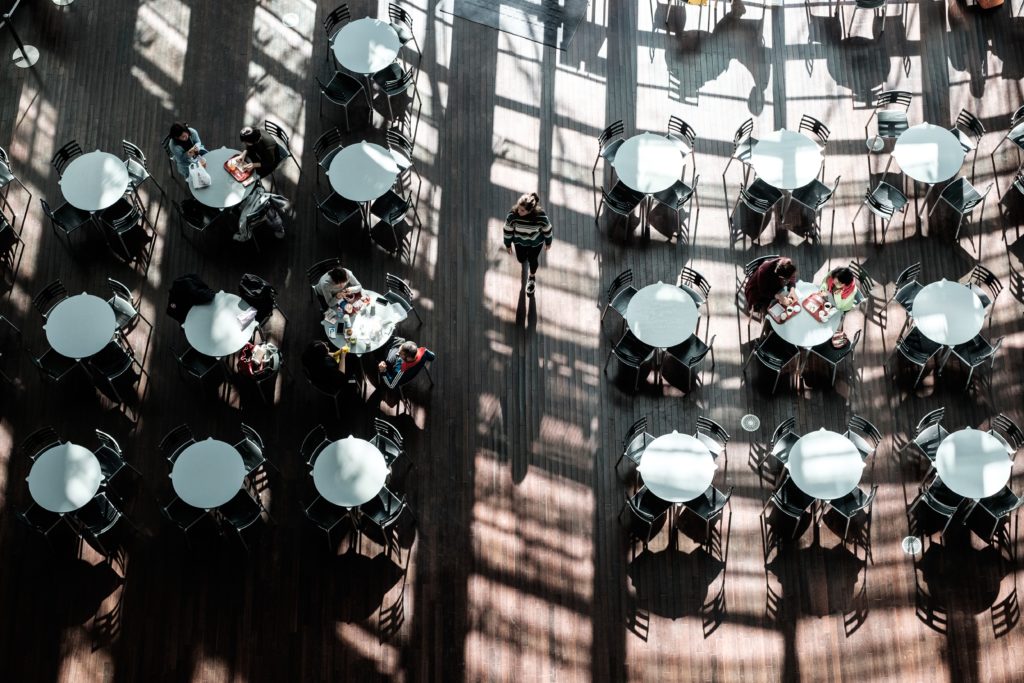
university dining space

In reaction to these attributes, food service programs have begun formulating creative solutions to keep young diners satisfied with their daily experience in the university cafeteria. Unsurprisingly, technology—as well as an increased focus on healthy, clean food and beverages—has played a huge role in the creation of Gen Z-friendly dining spaces,    

Here’s a list of 5 ways university dining halls are adapting to Gen Z’s dining habits and interests:

1. Increasing customization across the board

From a variety of meal plan options to DIY bars, customization is key when it comes to menu planning for Gen Z diners. According to the 2016 Generational Consumer Trend Report, 50% of Gen Zers rated the ability to customize their meal (i.e. choosing a portion size or some of the ingredients) as an important aspect of dining.

This, however, does not require you to deconstruct every entrée into a build-your-own bar: simply increase and vary the types of sides that you serve with your mains. Another strategy is to pick a night in which your dining hall is not too busy, and set-up a small cooking station where one of your line cooks can cook smaller, specialty plates with seasonal ingredients.

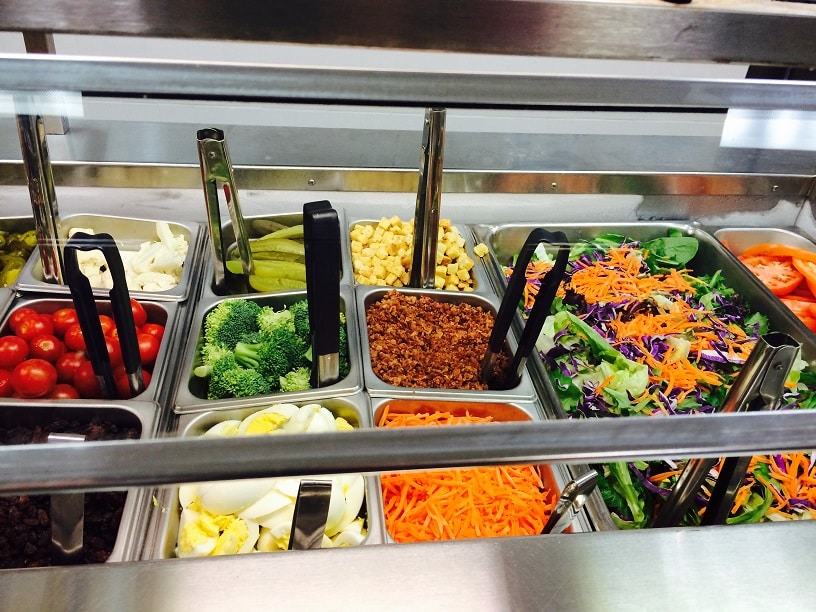
salad bar cafeteria customization options

A similar approach can be applied to your cafeteria’s beverage offerings: allow your diners to customize their morning coffee by creating a mini-coffee bar with specialty milks and a rotating inventory of flavored syrups. Alternatively, you can offer healthy flavored drinks with Bevi, the smart water cooler, which would allow your diners to customize your beverage on a touchscreen before filling their glass.

So, the next time you start planning your menus, be sure to consider a few ways your diners could personalize the items you decide upon.

2. Optimal convenience in the form of digital student IDs

Industry research has shown again and again that convenience is a top priority for consumers of all ages, and is of a particular importance to millennials and Gen Zers. Many food service programs are embracing this trend by expanding the methods by which diners can gain entrance into the cafeteria or purchase their food.

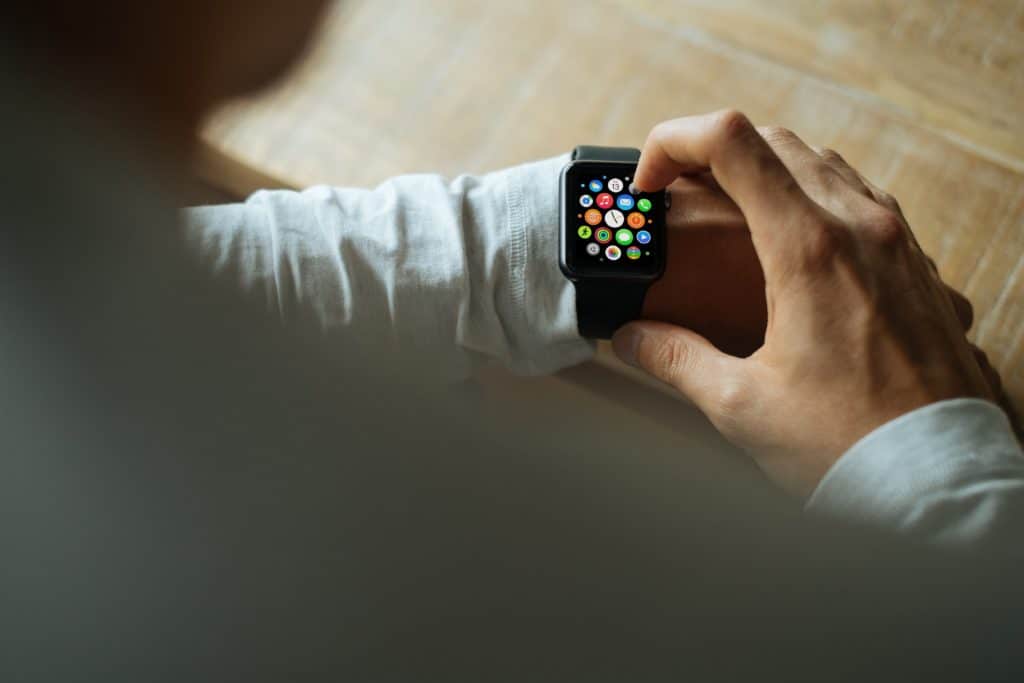
apple watches can now store student Id info

Rather than having students keep track of a physical card, many universities are in the process of making their students’ ID information accessible on smart devices. A recent report by Business Insider revealed that starting this fall, students at Duke, Temple, Johns Hopkins, and The University of Alabama (among others) will have the ability to enter the dining hall, and make vending machine purchases, using both Apple Watches (OS 5) as well as iPhones running on iOS 12.

Given the growing ubiquity and convenience of smart devices in today’s world, initiatives such as these will likely become increasingly popular in the food service industry as a whole.

3. Sparkling water and low-calorie beverages

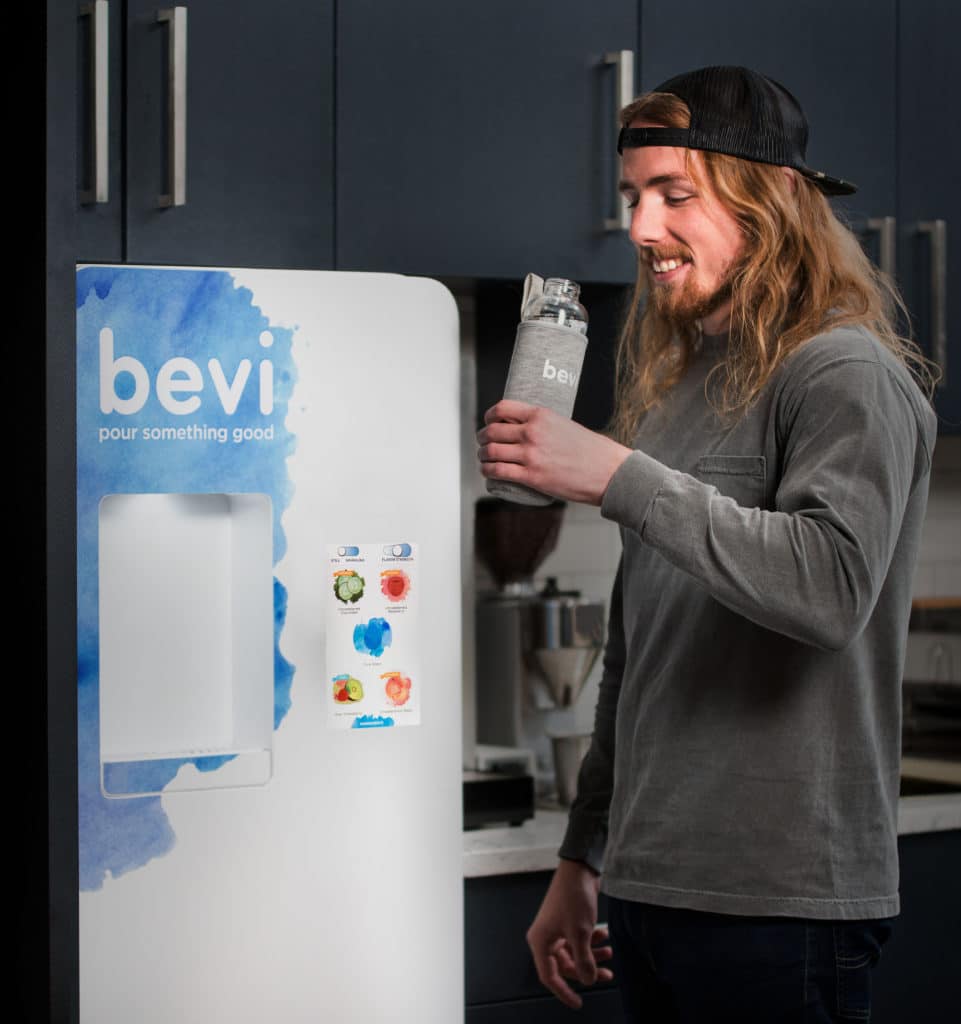
Gen Z Using Laptop Drinking Water Bevi

Nowadays, it seems as though every other TV commercial is advertising a different kind of sparkling water. This is due to the fact that in recent years there’s been a nationwide decrease in soda consumption, and a corresponding increase in demand for healthier alternatives. Younger generations, like Gen Z, are no longer interested in sugary carbonated drinks, opting instead for sparkling water, with or without flavors.

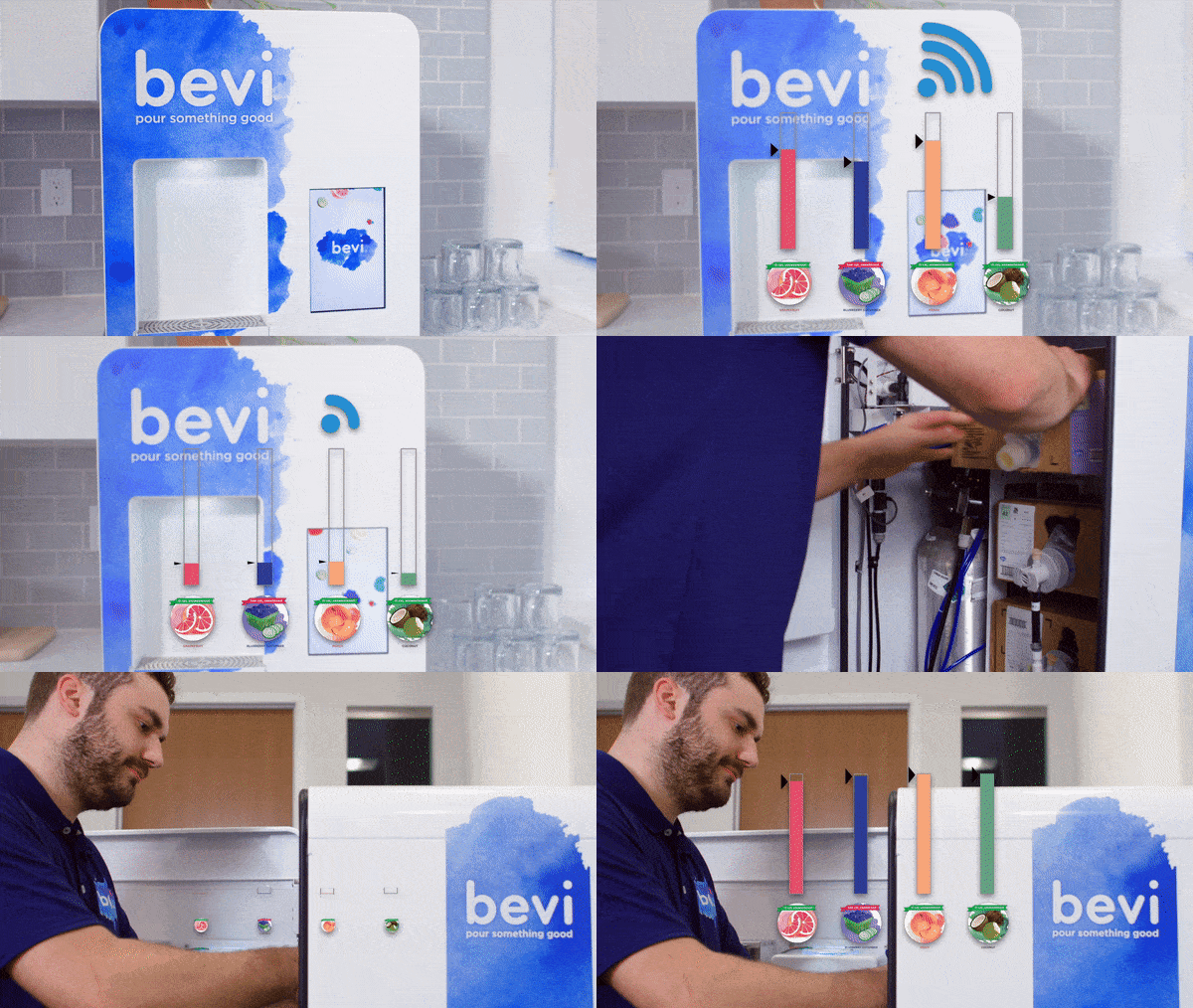
Rather than going the traditional route (i.e. filling plastic jugs with water and sliced fruit), cafeterias have started investing in sparkling, flavored water machines, such as Bevi. This smart water cooler makes it easy to meet the growing demand for healthy beverage options, without putting any extra strain on your food service staff. At the press of touchscreen, students can customize their drink, adding flavors or fizz to their liking. Bevi boasts a well-rounded portfolio of zero- and low-calorie flavors and is outfitted with software that allows for the pro-active monitoring of consumable levels.

young student drinking bevi

In short, Bevi is a win-win situation: students get the bubbles and customization they want, while the food service team will have one less thing to monitor.

4. Organic, clean eating and ‘trendy’ bites

Like sparkling water, the demand for “clean” or organic food is on the rise across the US. According to The NPD Group, the majority of Gen Z considers “clean eating” a significant way to improve one’s quality of life. As compared to other consumer groups, this generation expresses a heightened interest in organic and non-GMO foods. They are also more open to trying new styles of dieting, including vegetarianism and paleo, as well as ‘trendy’ foods.

breakfast bowl healthy food

Generally speaking, keeping your dining hall's offerings up-to-date with the latest trends isn’t as tricky as it seems: simply plan to reserve a portion of your weekly budget for seasonal or trendy foods before the school year begins, and incorporate these items into your usual salad or DIY bar.

How can your food service program meet the demand for healthy, ethically-sourced food? Aside from seeking out local or organic food vendors, more than 20 universities in the US have formally made the Real Food Campus Commitment, in which they pledge to use “their tremendous purchasing power to support a food system that strengthens local economies, respects human rights, and ensures ecological sustainability.” A national, student-led initiative, the Real Food Challenge truly embodies what today’s college students expect from campus dining services.

5. Greater transparency across the board, in the dining hall or on a mobile app

Given Gen Z’s heightened interest in environmental and social issues, many dining halls have started sharing information regarding the sourcing of their ingredients.

Most dining halls already have a mobile app that allows students to check the breakfast, lunch or dinner menu in advance; now, many are adding tracking and sourcing information to their apps as well. In this way, students can explore the nutritional information of their favorite mac & cheese dish, while also learning which local farm provides the tomatoes in the salad bar.

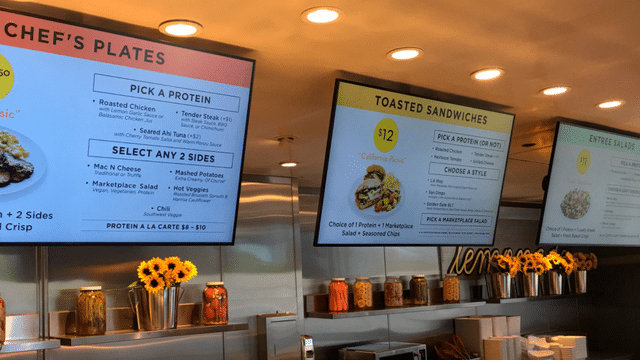
digital signs in a cafeteria

Food service staff are also creating the same level of transparency within the servery space itself. From posters explaining sustainable fishing practices to digital signs displaying the amount of food waste produced each week, there are many ways to display information that will help connect students with their food.

Top 6 Must-Know Facilities Management Trends in 2018

Keep up with the trends and start attracting new tenants to your facilities today.

Over the past decade, the big players within the innovation economy, the tech community and scrappy startup ventures have almost completely redefined where, how and what it feels like to be at the office. Because of this, the field of facilities management has evolved rapidly in recent years. As working from home becomes increasingly mainstream and automation unlocks new possibilities in data collection, here are the top 6 facilities management trends in 2018 so far.

1. A holistic focus on health and wellness.

Even with the last five years, the purview and extent of ‘health and wellness’ initiatives have changed immensely. This is best encapsulated in initiatives such as the International WELL Building Institute’s (IWBI) WELL Certification program for buildings.

flex space bevi facilities

Spanning everything from air quality to mental health, the WELL framework is a set of guidelines that facilities can use to help improve the overall human experience within their spaces. Other features include lighting guidelines that “minimize disruption to the body’s circadian system” and developing a system that enables the facility to make adjustments based on the latest research in the health and wellness field.

Aside from new accreditations, healthy food and beverage options, as well as fitness areas, continue to be of increasing importance when it comes to catering to tenants demand. Many buildings have begun incentivizing healthy living outside of the office by instituting bike-sharing programs or hosting special events for those who bike to work.  

2. More than just space management: it’s all about the employee (or tenant) experience

It’s no secret that the focal point of facilities management has shifted away from the physical space: nowadays, crafting a well-rounded employee or tenant experience is of the utmost importance.

At the most basic level, a positive experience is one that is both easy and convenient. One easy example is helping visitors navigate your building by installing electronic directories and other digital signs or kiosks they can use to get directions. Similarly, you can offer conveniently placed touch screen tablets or simple mobile apps to your occupants so they can easily reserve a conference room or common space.

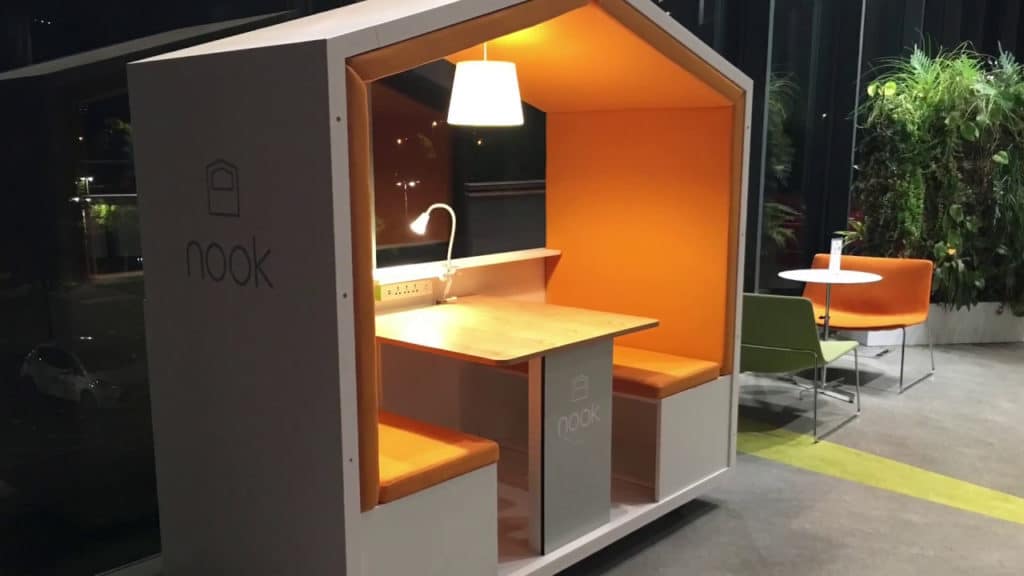
nook pod facilities trends bevi

Another trending topic within the employee experience world is the creation of quiet spaces and wellness rooms within the workplace. There are now several companies out there, such as Nook, that specialize in creating sound-proof, nook-like spaces (either fixed or mobile) that are perfect for one-on-one meetings or phone calls. Similarly, wellness rooms, whether meant for general relaxation/meditation or new moms who are breastfeeding, are quickly becoming a staple. While the specific purpose or layout of these rooms may vary, generally speaking they are meant to provide temporary respite from typical workplace stressors.

wellness space with trees trends bevi

Ultimately, more and more facilities are investing time and resources into making their buildings as “user-friendly as possible,” whether by including more accessible common spaces or creating smaller, niche spaces.

3. Designing for sustainability, energy efficiency and effective waste management

The importance of sustainability in the facilities management field has grown significantly over the past two decades—and shows no signs of stopping!

Many buildings are now investing in massive plant walls that act as natural indoor air purifiers. Energy efficiency is a top priority when redesigning new areas or revamping old ones, as LEED certifications have quickly become the industry standard. According to the Leadership in Energy and Environmental Design (LEED) website, more than 92,000 projects have earned an LEED certification to date.

Standup Bevi

When it comes to waste management, there’s been a recent trend towards finding ways to reduce overall waste, rather than finding eco-friendly ways to (as one might say) pick up the mess. Many facilities have eliminated the hassle of overflowing recycling bins by providing flavored sparkling waters on tap with Bevi, the smart water cooler. By encouraging tenants to use their own reusable bottle or mug, facilities can make a huge dent in their monthly waste management costs.

4. Adapt to new styles of working through flexible space

According to a Gallup survey conducted in 2017, around 43 percent of employed Americans reported spending at least some of their time working from home. Furthermore, those who did work remotely reported spending a higher percentage of their work week doing so, as compared to those who worked remotely in 2012.

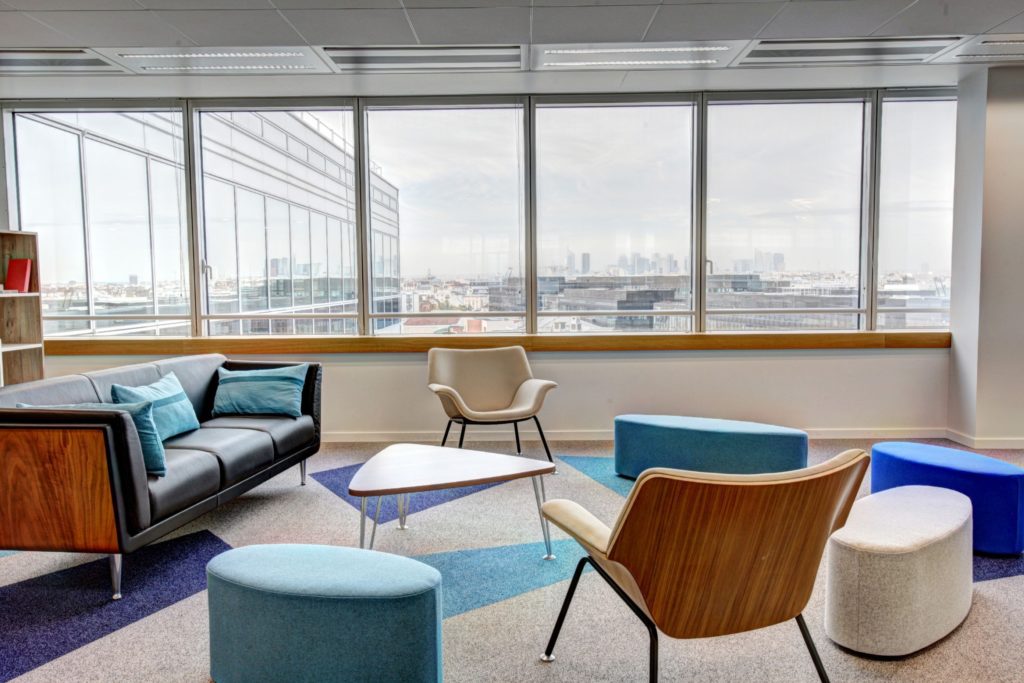
common space trends bevi

With a larger portion of people working outside of the office on a semi-regular basis, flex space—or flexible work, desk or meeting space—has become increasingly popular. There are many different manifestations of flex space, such as hot desking, where employees don’t have a permanent desk, but take any desk available. Other ideas include communal lounges or roundtables where guests, or anyone looking to change things up, can sit and work. Often times, offices with assigned seating will install standing desk flex space, especially if a good portion of the team is typically in and out of the office over the course of the day.

Just like a co-working space, flex office space allows for chance encounters, laid-back collaboration, and a bit of friendly chatter that could lead to innovative project ideas or bonding between teams that don’t typically work together.

5. Automation reigns supreme: everything from temperature monitors to work order reporting

The benefits of automation are two-fold: it saves you time and your team money. Rather than relying on tenants or team members to monitor temperature levels or switch off the lights, centralized Building Automation Systems (BAS) can help automatically monitor, and optimize, both at the same time. Furthermore, these systems collect data automatically, giving your facilities management team the ability to analyze trends and develop strategies for saving money and boosting energy efficiency.

proactive monitoring and restocking with bevi

Similarly, there are now several work order softwares available that are designed to help maintenance departments track requests, collect data, schedule maintenance visits, and provide the best overall tenant experience possible. Most of these systems also provide simple mobile apps that tenants can use to quickly and conveniently submit a request or report an issue.

From water coolers that restock themselves to comprehensive BAS, the “smart” facility is quickly becoming the industry standard.

6. More than just physical security: cyber and information security are a top priority

Gone are the days where security guards and cameras are the only firewall a facility needs. Nowadays, cyber attacks, data leaks, and hacking attempts are top-of-mind for most companies searching for a new space. Whether it’s a small startup or a global corporation, the quality and reliability of the wireless security in your building can be make or break: even if the physical space is perfect, companies will not sign a lease if the appropriate cyber security protocols are not in place.

No matter the type of tenants your facility is trying to attract, adding a security expert, or a team of experts, to your staff is a prudent, long-term investment. If your team is not ready to take on someone full time, there are many contract IT services that can help assess—and improve—the efficiency of your IT infrastructure and firewall.

What have you implemented in response to these recent facilities management trends? Let us know in the comments below!  

30 Ways to Make Your Office More Eco-Friendly

Going green in the office isn’t as difficult — or costly — as you might think.

With a few simple product swaps and some greener habits, your office will be on its way to earning some serious eco-friendly bragging rights.

1. Go paperless

Go paperless

This tip almost seems trivial given the digital age we now live in. From cloud storage services to digital pay stubs, the need for paper and printers in the workplace has rapidly decreased in the past two decades.

Diminish the temptation to print by reducing the number of printers in your office and donating them to a local school or non-profit organization in need.

2. Unplug

Unplug

Ever feel like there’s a ghoulish spirit haunting your office after hours? It might just be phantom power.

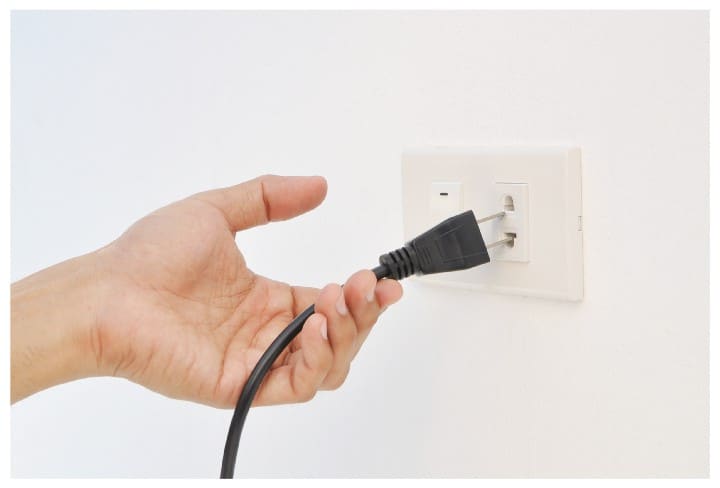
It’s not enough to simply power down your devices before leaving — power is still being consumed if it’s plugged in. Phantom power, or standby power, can become a huge, unnecessary expense for your company if left unaddressed.

Don’t let phantom power haunt you — remember to unplug your workstation before leaving the office.

3. Install motion-activated light switches

Improve energy efficiency immensely by installing or swapping in motion-activated light switches. These are a particularly great solution for conference rooms since they are often separated from the central office space and are less frequently used.

Rather than relying on employees to switch off the lights as they leave or enter, motion-activated lights are human-proof: they save energy automatically.

4. Invest in a bottleless water dispenser

Bottleless water dispenser

Rescue your office’s beverage budget from the recycling bin.

Get Bevi. This smart water cooler will help you significantly reduce — if not eliminate — the need for plastic bottles and cans in your office. Say goodbye to overflowing recycling bins, and hello to eco-friendly, healthy hydration!

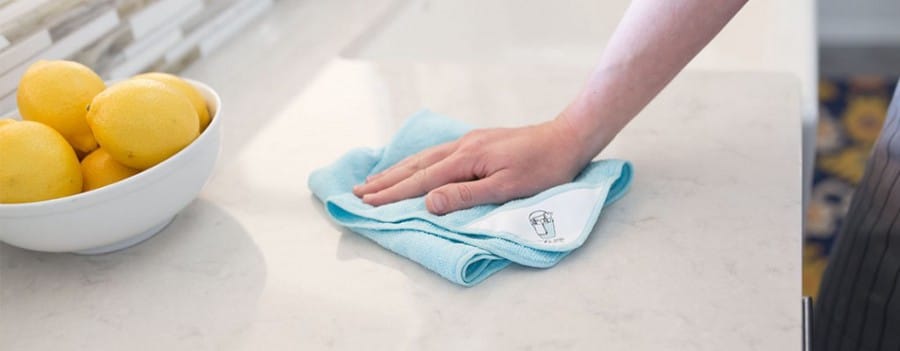
5. Use micro-fiber cloths instead of paper towels

Micro-fiber cloths

In most offices, paper towels are the go-to method for cleaning up spills of any kind. There are, however, many inexpensive, eco-friendly alternatives.

Get yourself a stack of microfiber cleaning cloths and attack that chili spill with some eco-minded enthusiasm!

6. Buy in bulk

Buy in bulk

To some, single-serving packets of sugar, cream, salt, or pepper may seem fancier and more convenient than buying an entire container.

In reality, buying these items in bulk saves money and eliminates unnecessary waste — not to mention that they’re generally easier to find in the store. It also will prevent employees from wasting the product itself — rather than using one and a half creams packets, employees can pour out the exact amount they desire from the carton of cream.

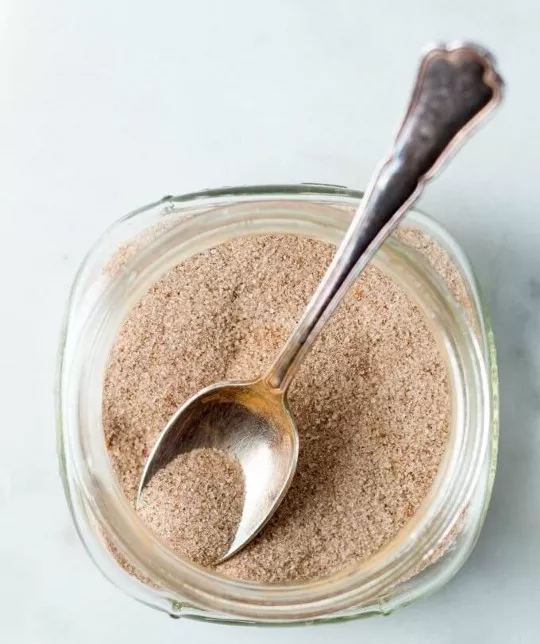
That said, we don’t recommend you keep a messy paper bag of sugar on your kitchen countertop. Instead, find a reusable glass jar, fill it with sugar and a small spoon, and put it next to the office coffee pot.

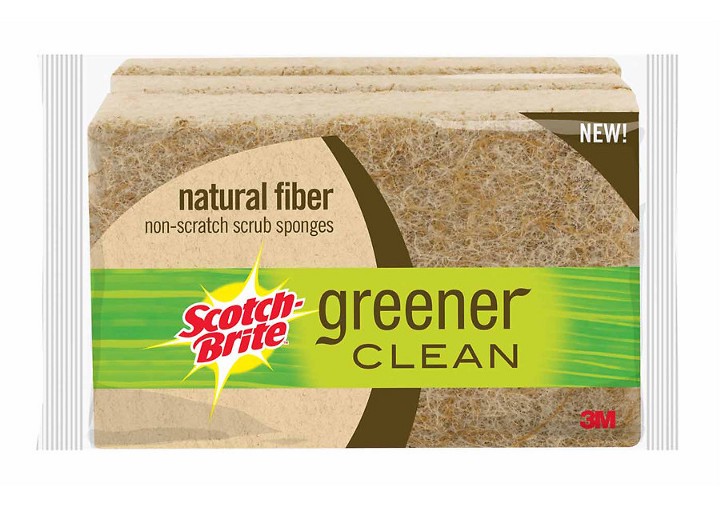
7. Get scrubbing with Scotch Brite’s Greener Clean Natural Fiber Sponges

Scotch Brite’s Greener Clean Natural Fiber Sponges

Although small and mundane, sponges pose many environmental and health risks. The majority of sponges are made from oil-based plastics that can take up to 52,000 years to decompose in the landfill. Furthermore, when left wet, sponges become a breeding ground for harmful bacteria, including E. coli and Salmonella.

Here’s the good news: sponges made from 100% plant-based fibers can prevent eco-guilt and the risk of bacterial growth. Made from bio-degradable materials, these sponges will break down easily in the landfill and naturally resist unwanted bacteria.

Here at Bevi HQ, we have the Scotch Brite Greener Clean sponges pictured above — they work just as well, if not better, than their fluorescent peers.

8. Keep your kitchen clean with a Castille soap, like Dr. Bronner’s

 
Dr. Bronner’s Castille soap

Switch to Castile soap and reinvest your cleaning budget in something your employees actually want — like yummy snacks.

At just $12 for a 32oz bottle, Castile soap will single-handedly replace all your other kitchen cleaners. From dishwater detergent to dish soap, all-purpose kitchen cleaner to laundry detergent, Castile soap is a one-stop-shop for a clean, eco-friendly office kitchen.

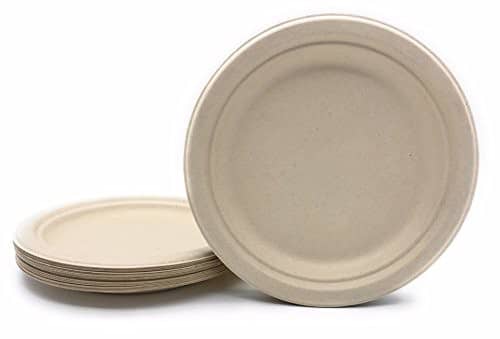
9. Celebrate company birthdays with compostable plates

Compostable plates

While reusable ceramic plates are ideal, most offices don’t have the budget to buy plates for the entire office.

Luckily, there are plenty of affordable compostable (or recyclable) options available that come in a variety of sizes. Whether you’re celebrating birthdays or promotions, keep the environment in mind when buying one-time-use products.

10. Invest in reusable silverware and serving utensils

 
Silverware and serving utensils

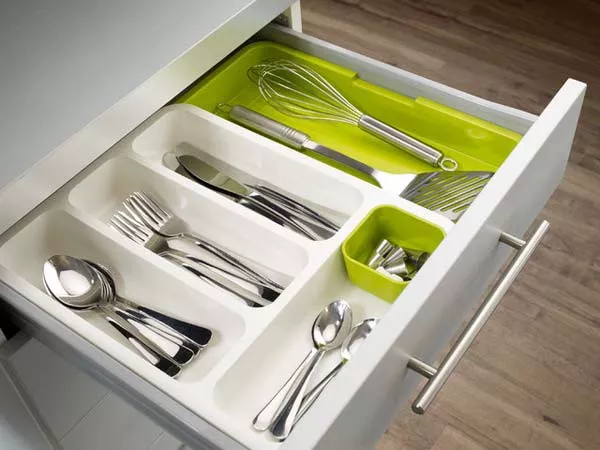
Similarly, reusable silverware is a relatively inexpensive and easy way to cut down on plastic and paper waste during catered company lunches.

In addition to the usual forks, knives, and spoons, it’s also helpful to have a set of reusable serving utensils on hand, rather than relying on the disposable utensils provided by the catering company.

11. Keep the shades open during daylight hours

 
Keep the shades open during daylight hours

If your office space is equipped with windows, this is really a no-brainer.

About 25% of the electricity consumed in the US is used to light office spaces. Cut your environment and financial losses by opening the blinds and letting the natural daylight pour into your workplace.

12. Clearly label trash, recycling, and compost bins

Labeled trashcans

While most people know recycling is a good thing, many folks are still confused as to what can, and can’t, go into the recycling bin.

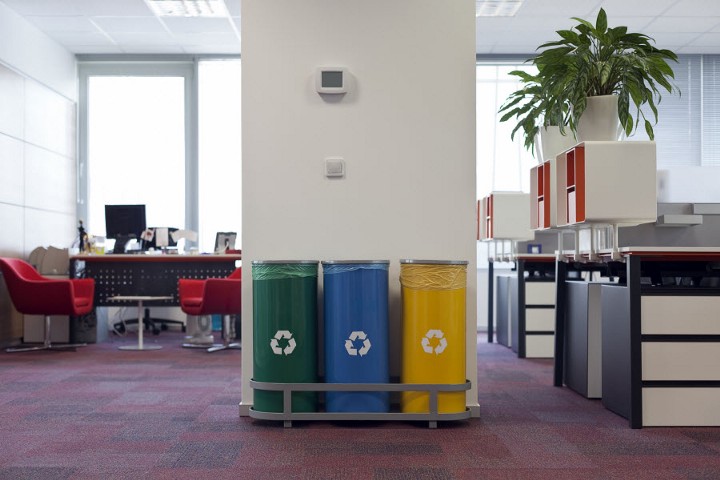
Help your employees become veritable eco-warriors by clearly labeling which type of waste goes where. It’s also helpful to send out a quick refresher email or video every now and then so that employees — new and old — stay mindful.

In addition, if your facility does not offer composting as part of its waste management service, do some research to find a third party composting service in your area. For example, at Bevi HQ in Boston, we use this awesome service called Bootstrap Compost!

13. If your office provides snacks, look into a TerraCycle box

TerraCycle box

TerraCycle is every snack-loving, eco-minded employee’s dream.

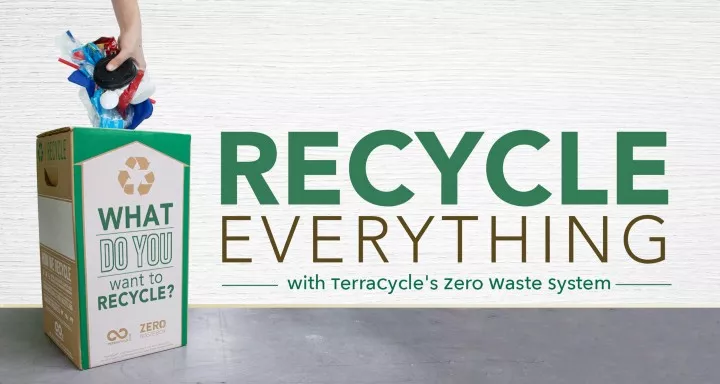
Instead of sending your snack and candy wrappers to the landfill, get a TerraCycle box and go zero-waste. Although these boxes are on the pricier side, they’re an extremely worthwhile investment for offices that produce an unmanageable amount of plastic waste in the form of pens, plastic gloves, plastic K-cups, or snack wrappers.

Check out TerraCycle’s offerings to see which Zero Waste System will work best in your office.

14. Enable power-saving or sleep mode

While most devices these days optimize CPU speed and battery life on their own, enabling power-saving mode or sleep mode can help further preserve battery life and reduce power consumption when these devices are not in use.

Go to your computer’s System Preferences (Control Panel on Windows) or your mobile devices’ Settings for more information about how you can conserve power and increase battery life.

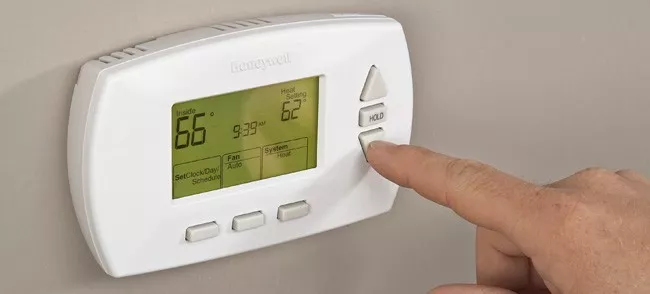
15. Keep an eye on the thermostat, especially in the summer

Thermostat

Even in the warmer, summer months, it’s fairly common to see office-dwellers wearing sweatshirts and jackets.

Instead of keeping the office as cold as the company fridge, try starting your air conditioning system at 72 degrees. If your workplace is still comfortable at this level, try going up another degree or two.

The higher your thermostat reads in the summer months, the more energy — and money — you’ll save in the long run.

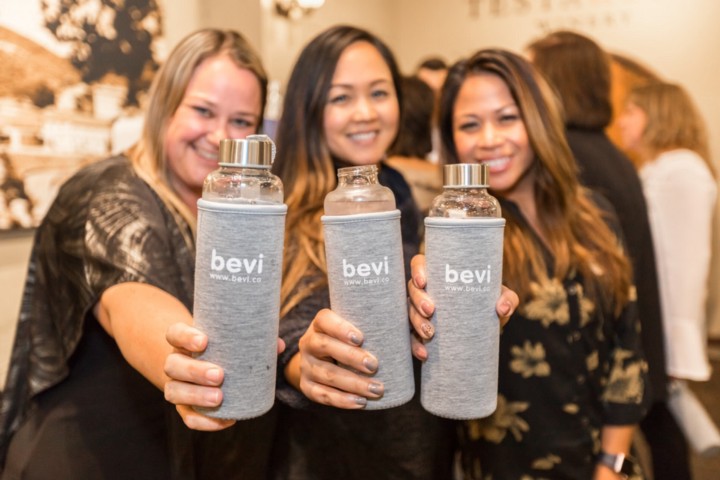
16. Institute a BYORB policy (Bring Your Own Reusable Bottle)

Bring Your Own Reusable Bottle

Bringing your own bottle, tumbler, or coffee mug to work is one of the easiest and healthiest eco-initiatives to institute in the office.

As Dr. Tom Ronay mentioned in this interview on workplace hydration, “in our office, each person has their favorite mug, cup or glass. These personalized mugs or special glasses are fun and almost a form of personal expression.” In short, a BYORB policy encourages your employees to express themselves and stay hydrated at the same time.

BYORB will not only reduce the plastic waste in your office but will also boost productivity and encourage employees to swap out sugary canned drinks for something more hydrating.

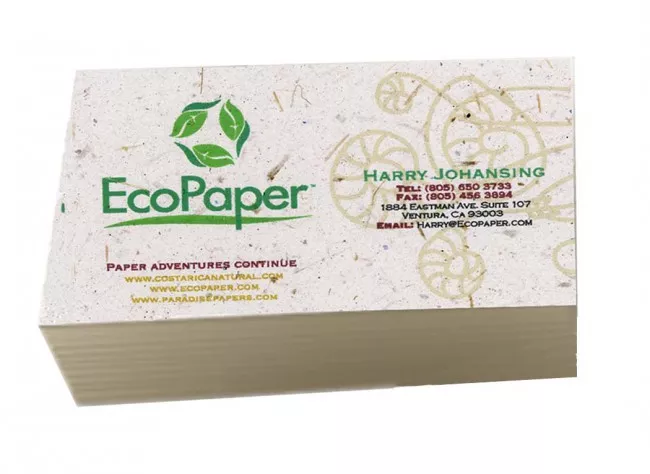
17. Find an eco-friendly business card provider

Eco-friendly business card

Although LinkedIn and social media have more or less eliminated the need for business cards, they’re still very useful tools for those who work in Sales and Marketing.

When digital business cards just won’t cut it, opt for an eco-friendly business card printer. Aside from printing on recycled paper, some printers even offer plantable cards made from seed paper. Find out more here!

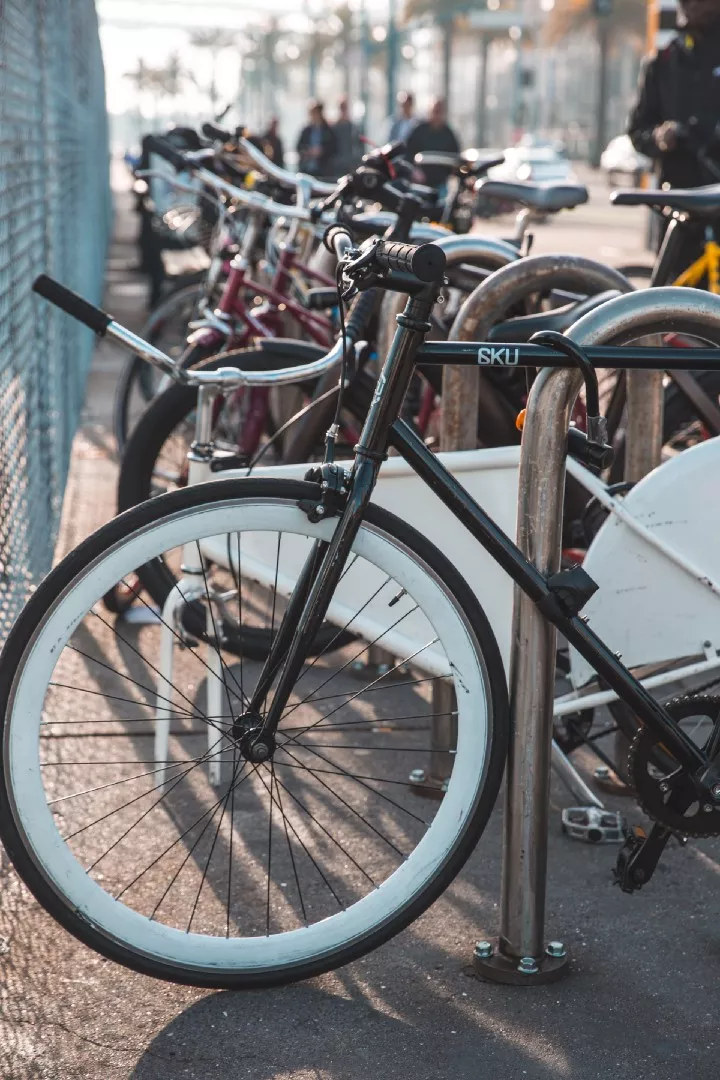
18. Set up a bike rack for employees

Bike rack

Whether you’re moving offices or have occupied the same space for a decade, a bike rack is a relatively easy, one-time investment that can have a huge impact on how your employees commute to work.

It will not only encourage your employees to be more active but also get folks to reconsider the environmental impact of driving into work each morning.

19. Regularly clean out the office fridge

Office fridge

Although it may seem like an insurmountable task, defrosting and cleaning the fridge will help to increase its lifespan and efficiency.

Here’s why: each time your employees open the fridge door, moisture is let inside. This moisture eventually builds up around the coils inside the fridge, causing frost to form. Since frosty coils lead to restricted airflow, it’s going to take more and more energy to keep the fridge at the same temperature.

Long story short, by regularly defrosting and cleaning the office fridge, you’ll save both money and energy in the long run.

20. Establish a sustainability initiative task-force or green team

Hands together
Photo by rawpixel.com on Unsplash

If your company does not have an explicitly eco-friendly mission, it’s likely up to individual employees to encourage sustainable purchasing and system implementation in the office.

As the saying goes, there’s strength in numbers! Round up your eco-minded co-workers and set up a sustainability task force. Together you can brainstorm creative ways to propose your ideas to the office decision-makers, as well as put systems in place to measure and monitor how the initiatives are impacting your office.

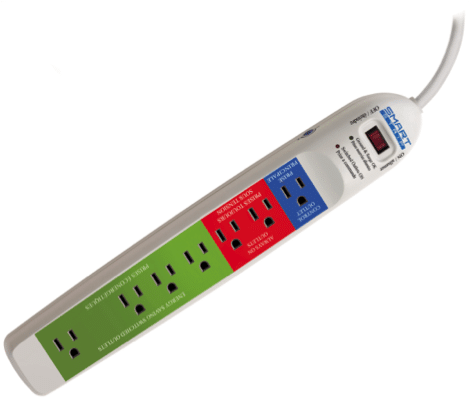
21. Invest in smart power strips

Smart power strips

These smart power strips were specifically designed to help you waste less power.

As previously mentioned, devices that are off but plugged into an outlet still draw power; this phenomenon is called phantom or standby power.

Rather than relying on humans to unplug all their gadgets, this smart power strip does the work for them by shutting off the power to products that are in standby mode.

Basically, you can set it, forget it, and save money.

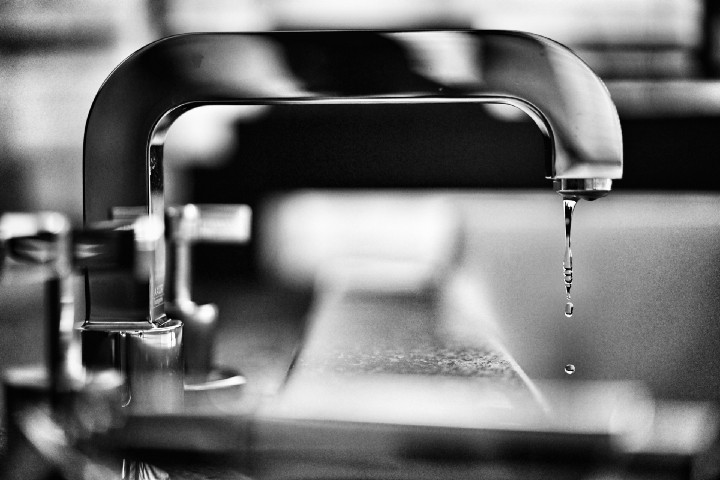
22. Don’t ignore the leaky faucet

Leaky faucet

Believe it or not, fixing a leaky faucet or toilet could save you up to 10% on your monthly water bill.

If you think bringing in a plumber is more trouble than it’s worth, consider this: a faucet that leaks about one drip per second can waste more than 3,000 gallons of clean water per year. Yup, it’s time to make that call.

And while you’re waiting, keep a bucket, pan, or some sort of container underneath the leaky faucet and use the excess to water the office’s plants.

23. Decorate the office with plants

Office with plants

The benefits of office plants are numerous. In addition to their aesthetic value, plants can help reduce your office’s carbon emissions as well as naturally purify the air in your office.

Some plants are better at this than others; we recommend Spider Plants, Peace Lilies, English Ivy or Bamboo Palms.

24. Incentivize greener methods of commuting

Commuting

Aside from its positive environmental impact, carpooling or ride-sharing is a great opportunity for employee-bonding. One way to get people thinking about carpooling is to introduce new employees to company members that live in a nearby neighborhood.

During the summer months, try hosting a weeklong bike/walk challenge in which the team with the most people who bike or walk into the office gets a special catered lunch. You’ll be amazed at how well a little bit of friendly competition gets people motivated to make a change!

25. Donate or recycle old electronics

Old electronics

Earth Day is the perfect occasion to do some spring cleaning, sustainability style!

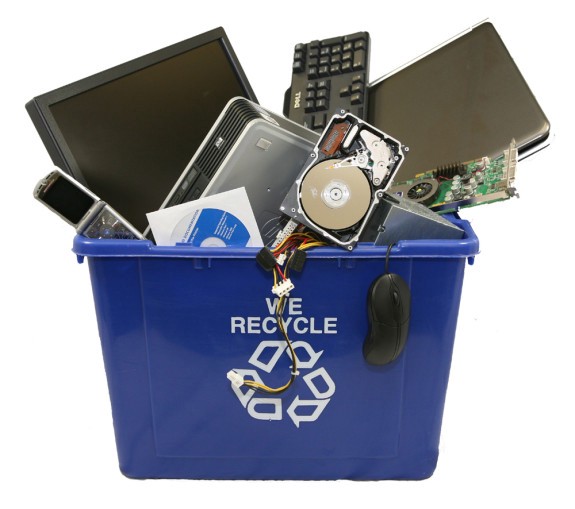
Remove unnecessary clutter from your office by recycling or donating old electronics. Most electronics are made from valuable resources and materials — such as plastic, glass, and metals — that require a significant amount of energy to mine, process, and manufacture. Do your part to conserve natural resources and reduce air/water pollution by recycling that old keyboard that’s been in your desk drawer for 2 years.

26. Talk to your employer about their policies on working remotely

While it may not be feasible at some companies or in some roles, working remotely is a viable way to reduce your employees’ collective footprint. It will not only reduce carbon emissions (i.e. one less car commuting to work), but it can also help reduce food and plastic waste, as employees can prepare their lunch right in their home kitchen.

So stay home and work in your pajamas — the environment will thank you!

27. Add a set of Tupperware to the office kitchen

Tupperware

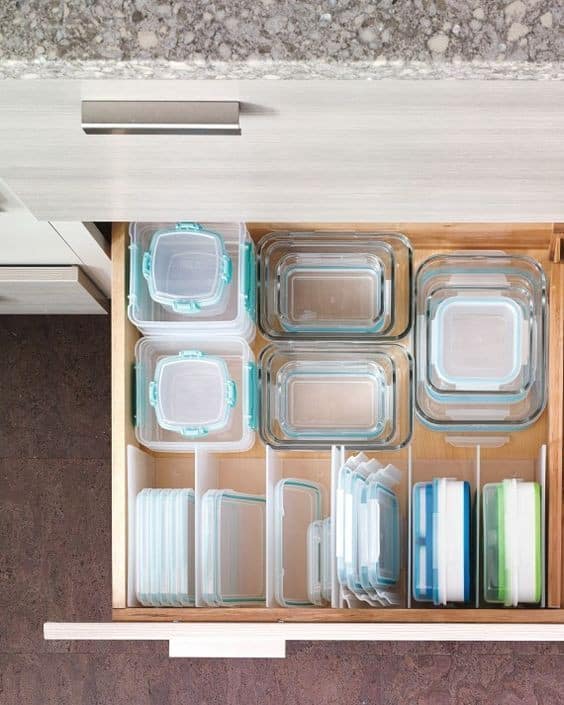
Having a small stack of office Tupperware is one of the easiest ways to reduce food waste in your office. Rather than throwing away the leftovers from the company-wide catered lunch, save them in Tupperware and toss them into the company fridge. Trust us, they will get eaten!

28. Install LED bulbs

Fluorescent light bulbs

Everyone talks about switching to LED bulbs, but what actually makes them a better, eco-friendly alternative?

Compared to traditional incandescent or compact fluorescent bulbs, LED bulbs use 75% less energy and can last more than three times as long.

This will ultimately help you to cut costs (by reducing the number of bulb replacements you buy in a year) and reduce your carbon footprint since LED bulbs are non-toxic and recyclable.

29. Support local and/or organic snack or fruit purveyors

Local and/or organic snack

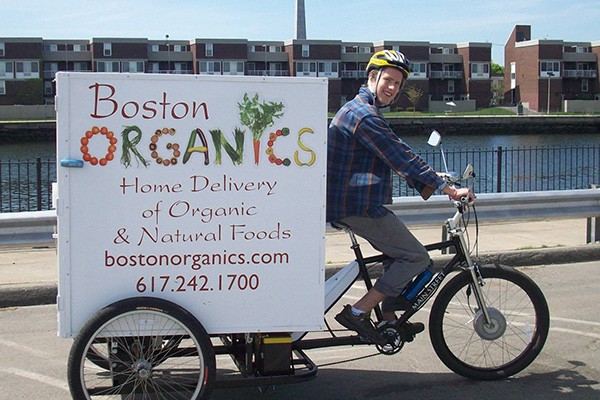
Here at Bevi HQ, we get a monthly box of fruits — and other healthy snacks — from a local organic food delivery company, Boston Organics. In addition to the fact that all the food is locally-sourced, we love how Boston Organics reuses their cardboard delivery boxes.

30. Incentivize and appreciate green behaviors

 
Green behaviors card

When it comes to going green, changing human behavior is the biggest obstacle. You can add compost bins and micro-fiber cloths to your office, but these changes are only successful when employees buy into the idea and follow the new, eco-friendly systems correctly.

If you’re serious about going green in the office, be sure to include employee incentive and appreciation programs in your sustainability road map. For some employee appreciation inspiration, check out these 10 quick and easy ideas to show your employees your gratitude.

Happy Earth Day!

Ditch Plastic Cups: Start a BYOB Initiative in Your Office

Start Your Own BYOB initiative with Bevi

Often times, the Office Manager is on the front lines of a continuous battle between those employees who value convenience and those who prioritize environmental impact. From balancing the office’s budget to fielding all types of employee complaints, the Office Manager is almost always stuck between a rock and a hard place.

As with any daunting task, it’s best to start small. And implementing a Bring Your Own Reusable Bottle initiative is a great place to start.

Rather than stocking and restocking sky-scrapers of plastic cups in your kitchen, reduce your plastic waste exponentially by encouraging employees to take their favorite canteen into work with them. This BYOB approach will not only save the Office Manager time, but save money — money that can be reinvested in something everyone in the office will love, like fruit or snacks!

Don’t left the office kitchen battles continue: check out these 5 tactful ways to get everyone on board — and even excited about — the new BYOB initiative.

Green Strategy #1: Form an eco-minded task force

Form an eco-minded task force

Remember: there’s strength in numbers.

Whether you’re an Office Manager or an environmentally-conscious employee, it’s best to have a team of people behind you when proposing a new and drastic change to life at the office.

Don’t face the rebuttals and complaints alone. Gather a squad, inform them of the change and its rationale, and let the company know that there’s a whole group of excited employees ready to answer any questions that may come up.

Especially at larger companies, where it’s unlikely everyone knows each other on a first name basis, try to involve a few people from each department in your sustainability task force. Employees are more likely to trust and support the people they work with everyday than a faceless email announcement from someone they’ve never met.

Before kicking-off your BYOB program, be sure to form a squad of people who can help hype up its positive, environmental impact, as well as field any comments or concerns different departments may have.

Green Strategy #2: The long distance relationship

Is this your recycling bin? Looks like it’s time to get Bevi.

For some offices, getting rid of plastic cups might be as simple as never buying them again. In other offices, however, the transition might not be as smooth. If you’re worried about an impromptu employee mutiny, there are several ways to ease your office into a more zero-waste approach to water cooler talk.

After launching your BYOB program, try leaving only a small stack of plastic cups in plain sight. Chances are, many folks won’t go looking — or won’t know where to look — when the stack disappears. This will help to incentivize people to bring in their bottles, since having to find and restock the plastic cups is more effort than carrying your own bottle. You might get some annoyed comments about the lack of cups over Slack, but stay strong! Tell these folks where they can find more cups, but don’t restock them yourself.

If your office isn’t equipped with reusable glassware, keeping an emergency pack of single-use cups on hand is kind of a must — especially if you frequently have visitors. In this case, stash the solo cups away in a secret cabinet or drawer, and reveal them only when you’re expecting guests.

In general, if the BYOB initiative is more controversial than you planned, relieve separation anxiety by making the transition from plastic cups as gradual and reasonable as possible.

Green strategy #3: Get custom bottles made for your office

Office Hydration Bevi

If you’ve got the budget, this is a no brainer.

What better way to launch your BYOB initiative than to purchase a personalized or company-branded (or both!) reusable bottle for each of your employees.

Many companies that are both getting a Bevi and moving into a completely new office space like to include reusable bottles as part of a ‘Welcome to Your New Office’ gift for each employee. Broadly speaking, moving into a new space is the perfect occasion to put new, eco-friendly systems in place!

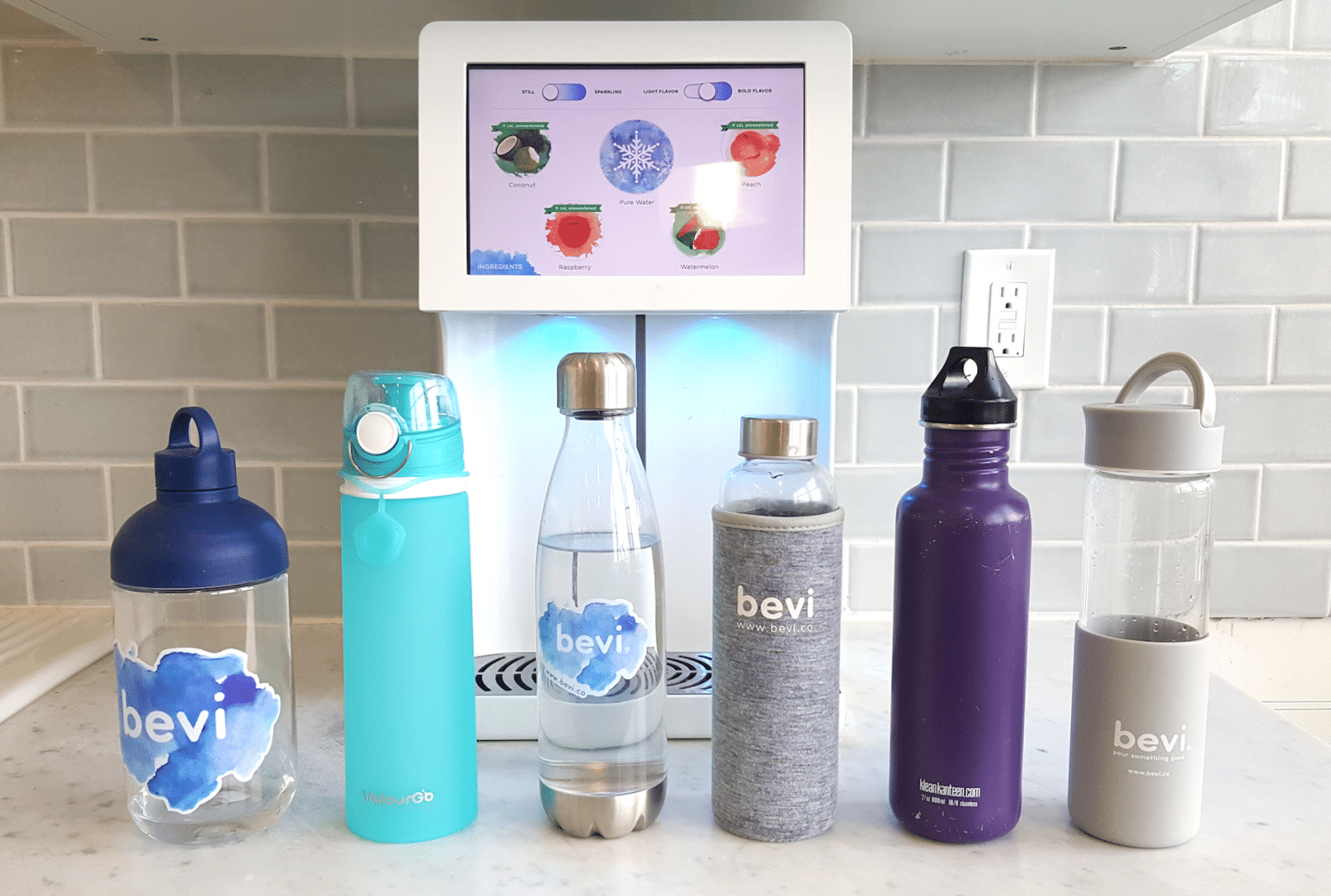
While not every office has the funds to purchase bottles for everyone, there are many work-arounds. Water proof stickers are a simple and affordable way to get employees hyped about showing off their newly decorated reusable bottle around the office. Have your designers create a whole series of stickers to pick and choose from, or get everyone a decal of their name. Another solution is to work with your team to select and design a bottle that people can order on their own if they so choose — this works well in offices in which most people already have a favorite bottle, and may not need the company topurchase one for them.

Once your custom bottles arrive, encourage folks to leave them at work. With shiny, new reusable bottles on their desks, the die-hard plastic cup users will surely become BYOB champions.

Green Strategy #4: Reinforce — and reward! — positive behaviors

Shoutouts on Namely

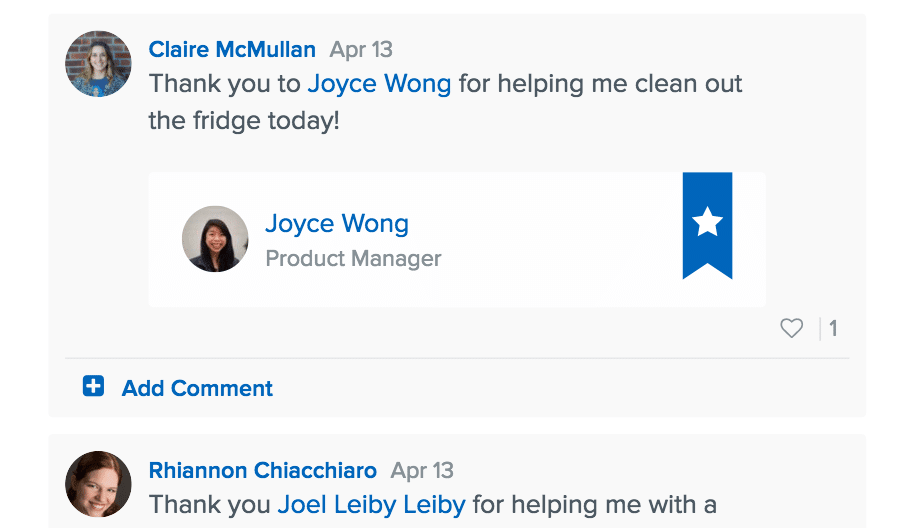
At Bevi, we love giving shoutouts over Slack or in our HR portal, Namely.

Ever heard of intermittent reinforcement conditioning? If you haven’t, all you need to know is this: it works! As foreign as this term may sound, chances are it’s something you’re already doing in the office. Each time you randomly give a shoutout to an employee over Slack, you are using the power of intermittent conditioning to motivate and reinforce positive behaviors!

The true beauty of intermittent conditioning lies in the fact that you only have to reward behaviors occasionally in order to reinforce them. In knowing that they might get recognition for their positive behavior, employees will start to make good habits part of their normal routine, whether it’s helping to clean out the fridge or bringing their reusable bottle into work.

Don’t take this the wrong way: we’re not suggesting you treat your co-workers like Pavlov’s dogs!

All we’re saying is that highlighting or rewarding someone who has brought their reusable bottle into work is a really great way to motivate that individual — and others — to keep your BYOB initiative going strong.

Green Strategy #5: Proudly share positive results

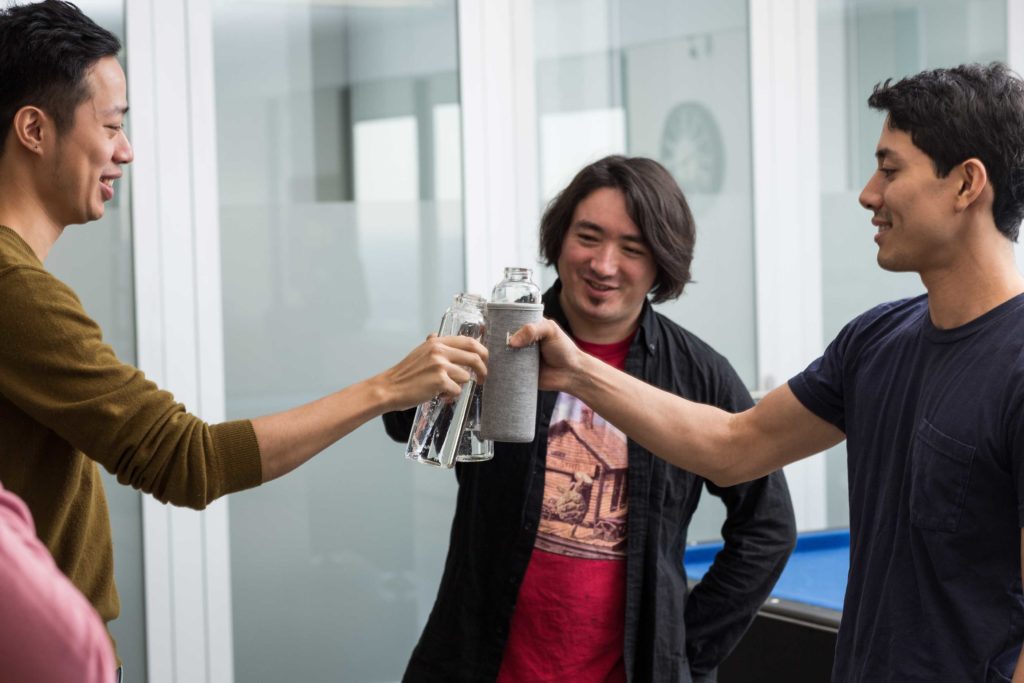
Cheers to reusable bottles

A toast, to all those who use a reusable bottle. Cheers!

Similar to Green Strategy #4, keep your BYOB program top-of-mind by frequently sharing how it has positively impacted your office and beyond.

In addition to a company-wide email or appreciation post, go big and briefly share results in the next All Hands meeting. If eliminating plastic cups has saved you enough money to buy more snacks for your office, put a sign on the fridge or water cooler explaining how the new treats are the fruits of your office’s collective labor!

For companies that have an explicitly environmental mission, your newly instated BYOB initiative could be a great occasion to brag about your company’s awesomeness on social media. Some companies might even opt to highlight an eco-warrior of the month; in other words, give a shoutout to an employee that has gone above and beyond when it comes to keeping things green at work.

Whether you’re a small startup or an international corporation, a Bring Your Own Reusable Bottle initiative is a simple and effective way to reduce your office’s footprint.

Mentorship, measurable impact, and one-way tickets

An Interview with Driptech Founder Peter Frykman

When we spoke with Driptech founder Peter Frykman, he called in from the Addis Ababa, Ethiopia, where he is currently mentoring local entrepreneurs. Having originally conducted there the research that inspired Driptech, Frykman has returned in search of new impactful ventures. Here’s what he shared with us.

Where does your passion for social entrepreneurship come from?

Growing up, I was very blessed with opportunities to travel. It was foundational to my learning, as I saw what opportunities there were to have an impact — areas in which I could bring my experience, culture, and in many cases privilege in terms of education, background, and resources.

Have you always wanted to do this?

I didn’t understand how I might best attempt to make an impact until I got into college and started studying Mechanical Engineering.

Once I got into the more senior level design courses, I realized that you could basically use product design skills to have a social impact. My first experience in that area was designing for accessibility. In one of my mechanical engineering courses, we designed a glove that would help a partially quadriplegic athlete hold onto a kayak paddle.

It was really a transformative project for me, and it also opened up opportunities elsewhere. I got to spend a summer learning about and working on disability design at a top university in India. It was the first time I got to do something that combined all of my interests — travel, mechanical engineering, design, good — all at once.

That’s how it all started.

What led you to Driptech?

After my experience in India, I continued pursuing medical design and thought I was headed down that path, until I ended up at a graduate course at Stanford on Entrepreneurial Design for Extreme Affordability.

It was an interesting course that brought engineers and business people together to solve problems for the world’s poorest customers. In that class, I realized that the majority of impoverished persons in the world were farmers. If I could somehow make an impact on a farmers’ income, it would help to eliminate poverty.

peter frykman driptech founder

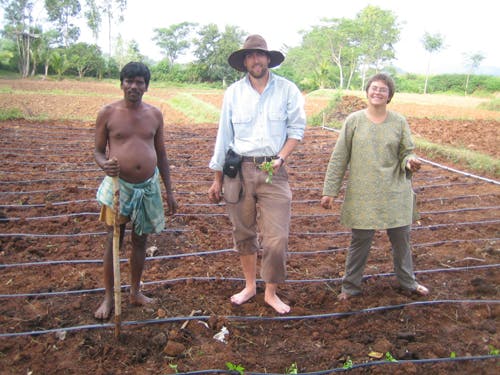
It was then when I got my first chance to go to Ethiopia. I arrived in the middle of the worst drought in years. Farmers had very limited water and needed to be resourceful with what they had. We began looking into which irrigation systems were available, and found that most small-plot farmers were using flood irrigation, an ineffective system that wastes a lot of water.

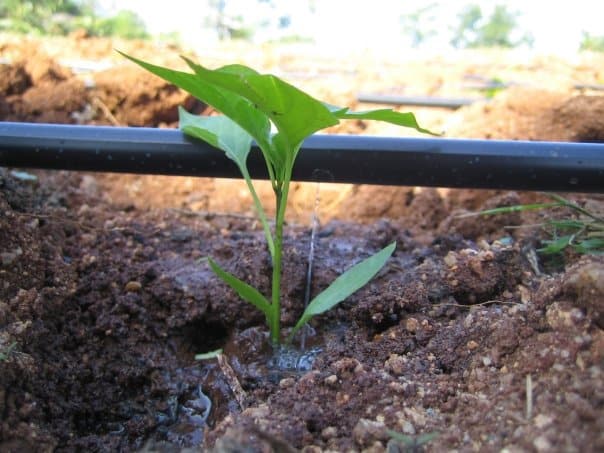
However, we realized that if we could make irrigation tubes with small emitters affordable and practical, these farmers could use drip irrigation to potentially double their income. That was really compelling for me.

And so Driptech was born from this solution?

Driptech was the idea, yes. We came back to Stanford and set out to make a design that was both more efficient as well as more affordable. It soon became pretty clear that this could positively impact farmers not just in Ethiopia, but around the world. That’s when I quit my PhD and started Driptech.

Through all the ups and downs, I was Driptech’s CEO for 6 years, and I ended up living in India for 4 of those years. Frank (Co-Founder of Bevi) was a Fellow for us in China for about a year. We were in both India and China for a bit, but ultimately decided to focus on India as it was demanding most of our attention.

driptech logo

We had a lot of great people work with us over the years. Over time, we fully developed the technology, set up a factory in India, and created a team to tackle global sales and distribution.

Eventually, we were acquired by the largest drip irrigation company in India, which is the second largest irrigation company in the world.

We had proven that the market was there and really benefited from this large partnership as it helped, and will continue to help, spread our technology and impact around the world. By ourselves, we had gotten our product to about 20,000 farmers, yet this company reaches around 100,000 new customers every year.

It was the right time to sort of step back and let others scale the business.

driptech irrigation

What was it like building your own company from the ground up?

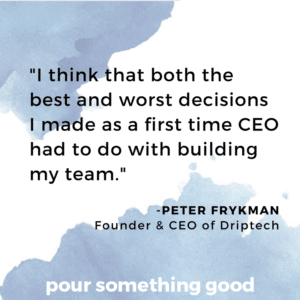
I think that both the best and worst decisions I made as a first time CEO had to do with building my team.
peter frykman quote driptech
It was very challenging to get the right people on the team at the right time, as well as make sure each individual role could evolve alongside the company.

After Driptech, I spent a lot of time thinking about team dynamics, understanding the different approaches to being a CEO, and trying to find out which type of team would suit my approach.

That’s what lead me to where I am now: I’ve spent the last two years mentoring other individual entrepreneurs or ones that are apart of incubator programs. Most of my time with them is spent discussing their teams, how to make them better, what or who is missing. It’s an area in which I feel like I can have a magnified impact; I can help others avoid the mistakes that I made while growing Driptech.

Have you seen any impact from Driptech?

Our farmers would get a 3 to 5x return on their investments in the first year. It was unbelievable.

A farmer growing vegetables in the state of Maharashtra would spend $200 on one acre of Driptech drip irrigation and would then make $500-$1000 more dollars in additional top line revenue within a year. The economics were undeniable. Almost too good to be true.

In fact, they wouldn’t believe us. Our biggest issue was often marketing. If someone came up to your right now and said “I’ll double your income,” you wouldn’t believe them either. Ultimately, we focused a lot on convincing farmers. Especially in India, we worked hard to help the farmers overcome the negative connotation of drip irrigation as an expensive and complex solution.

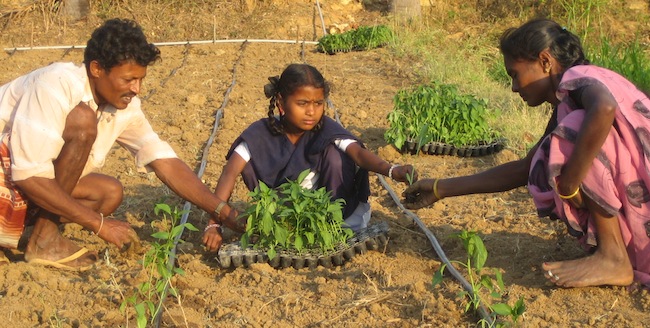
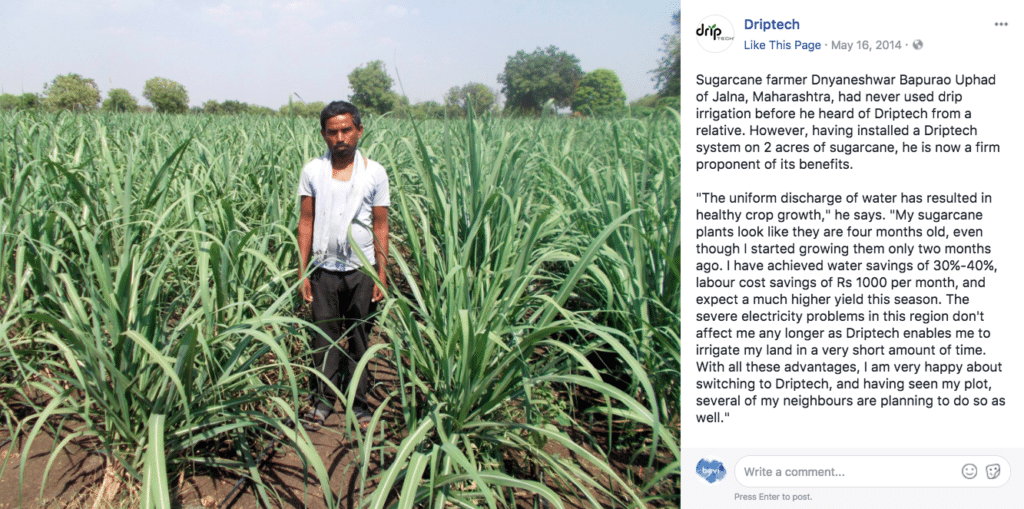
It was very rewarding when we got to meet farmers after they had used the system for one full-cycle. Driptech had doubled their take-home income and therefore had a huge impact on their quality of life. Less water, higher yields, and less labor: it was too good to be true.

driptech farmer

Any advice for future entrepreneurs?

It’s important to have mentors.

The best mentors are not necessarily the most high profile, superstar kind of people. Those people can be good mentors, but the most important thing is to find a mentor who cares about you and your success as an entrepreneur.
And this person can be just one or two years ahead of you on your journey as well.

One of my long term mentors started a similar company just two years ahead of me. The company had dealt with all of the same issues I was dealing with. When people found out that he was my mentor, they couldn’t believe it as they saw him as someone who was “still figuring things out.” It didn’t really matter though: he was always a couple steps in front of me so he had already figured it out the things I was trying to do.

What’s in store for you now?
driptech irrigation

After Driptech was acquired, this first thing I did was travel around Africa, Asia, and the US. It was time to recharge and reflect on my own learnings; part of that meant working with other entrepreneurs through incubators and accelerators like I am still doing now.

I also put a lot of thought into how I personally define impact, and what types of social enterprises I am willing to pursue for years. I’ve come to realize that my motivating factor boils down to poverty alleviation through sustainable business models. And it just so happens that most of the impoverished in this world live in rural areas. All said, two billion people rely on small scale agriculture to make a living, so anything you can do to increase their income — whether through new technology, improving education, or helping them with supply chain linkages — is going to make a huge impact for a lot of people.

As for what he’s doing next, Frykman is keeping an open mind. Ethiopia has about a 100 million people and about 80 million are rural farmers, so it’s a good place for him to start thinking about where to go next.

He hasn’t got a return ticket, so for now you can find him in the capital city of Addis Ababa.


Looking for ways to make a positive impact on the world? Meet Bevi, the smart water cooler. In 2017, Bevi help to eliminate the waste generated by 15,000,000 plastic bottles.

Help do your part to #ReducetheUse today.

8 Eco-Friendly Alternatives to Gift Wrap

Each year, Americans toss out more than 4 million tons of wrapping paper. Bring tidings and good cheer to the Earth this holiday season with these 8 eco-friendly alternatives to gift wrap.

And the Grinch, with his grinch-feet ice-cold in the snow,
Stood puzzling and puzzling: ‘How could it be so?
It came without ribbons! It came without tags!
It came without packages, boxes or bags!
— How The Grinch Stole Christmas by Dr. Seuss

In a world in which $2.6 billion dollars is spent annually on one-time use wrapping paper, the Grinch’s famous cry of disbelief reads like an eco-advocate’s exclamation of joy.

It’s no surprise that Americans produce 25% more waste in the weeks between Thanksgiving and New Years than in any other period of the year. Every holiday season, Americans throw out over 38,000 miles of ribbon, not to mention the 15 million Christmas trees that get tossed in the trash.

It’s the most wonderful — and wasteful — time of the year.

Although these stats may make you want to say “bah humbug,” using alternatives to wrapping paper is an easy way to reduce waste this holiday season. Check out these 8 eco-friendly ideas.

1. Make the packaging part of the gift.

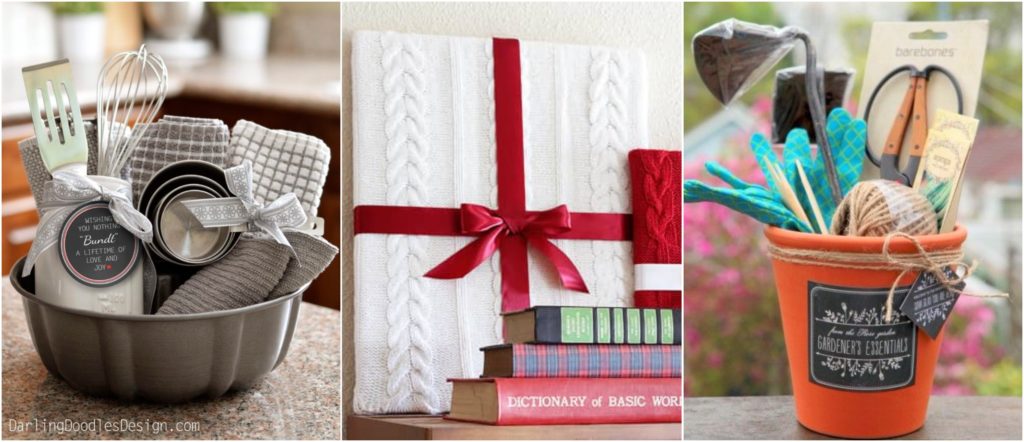
Good things come without a package. There are all sorts of ways to use a gift as its own packaging; some ideas include: wrapping mittens and socks in a matching sweater, filling a pot or pan with kitchen supplies for someone who just got a new apartment, adding gardening supplies to a bucket or plant pot, stuffing a new purse with gift-cards, wrapping a gift box in a scarf or cozy blanket, making a mini care-package for a college student in a Tupperware container, etc. Let’s face it, you’re a gift giving pro, and don’t need any help from paper packaging to prove it!

Sources: DarlingDoodlesDesign, A Part of Life Blog, and Garden Therapy.

2. Repurpose old newspapers or brown paper bags.

Good for gifts of any size, and perfect for those who actually enjoy perfectly folding and taping each individual gift. While the newspaper will end up in the recycling bin along with the regular wrapping paper, at least it was repurposed. If you like the look of paper gift wrap, but would like to cut back on your tape usage, try doing some wrapping paper origami or using ribbon instead of tape (see #6 for an upcycled ribbon idea).
newspaper wrapped box

3. Reuse 6-pack beer boxes

You’ve been pregraming for Great Aunt Susie’s annual holiday party all day when you realize you forgot to wrap your Secret Santa gift. Have no fear: the 6-pack box you were about to throw out will do the trick! 6-pack boxes are perfect for multi-component (or multi-person gifts). Similar to good old-fashion stocking-stuffing, you can stuff each of the six compartments with gift items. Things like socks, rolled-up t-shirts, hair care or skin products, chocolate bars, candles, and of course, beer, fit perfectly in each slot. (Not a beer drinker? Check out these 6-pack boxes with built-in holiday cards made by Beer Greetings.)

beer greetings

Source: Beer Greetings

4. Emphasize the element of surprise with a recycled cereal box

Chances are you have about 3 cereal or snack boxes sitting in your recycling bin right now. There’s nothing better than adding multiple layers of surprise: using cereal and snack boxes of different sizes, try packaging up a small gift in a series of boxes — sort of a Russian nesting doll approach. This is a particularly good way to make opening gift cards a little more fun for kids.

5. Use old maps

In the golden age of smart devices, printed maps are nothing but dust collectors. Rather than keeping that map of Virginia in your glove compartment as an artifact of decades past, consider upcycling it and using it as a substitute for traditional paper gift wrap.
map wrapped box

6. Cut back on your ribbon usage by recycling old t-shirts

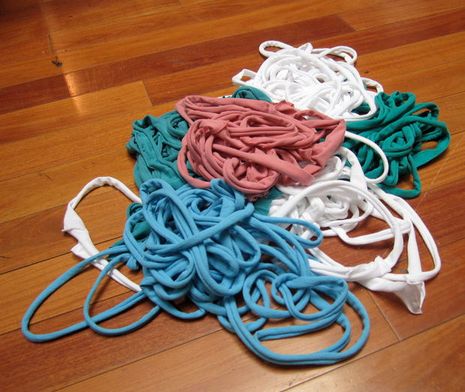
Put those old little league t-shirts to good use by transforming them into ribbon. While this upcycled gift wrap idea may require a little more work and planning on your end, the process is very simple. All you need is an old, colorful t-shirt and a pair of scissors. Check out this quick how-to video for instructions, and say goodbye to twirling ribbon.

t-shirt ribbon

Source: Instructables

7. For the hipster in your life, use a mason jar

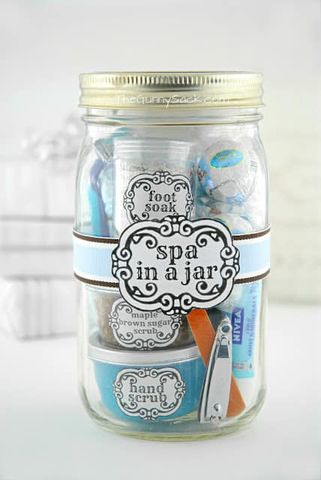
I’m sure everyone has seen mason jars with cookie and cake mix in in local specialty shops. Mason jars are very versatile, and are the perfect vessel for any type of recipe, from a cocktail starter kit to a ‘spa-in-a-jar,’ to sewing kits and ‘go fishing’ jars. If you’re at a loss for gift grab ideas, thinking about what would fit into an empty mason jar is an easy way to jump start your brainstorming process.

Spa-in-a-jar

Source: The Gunny Sack


8. Add some character to that unexciting Amazon box

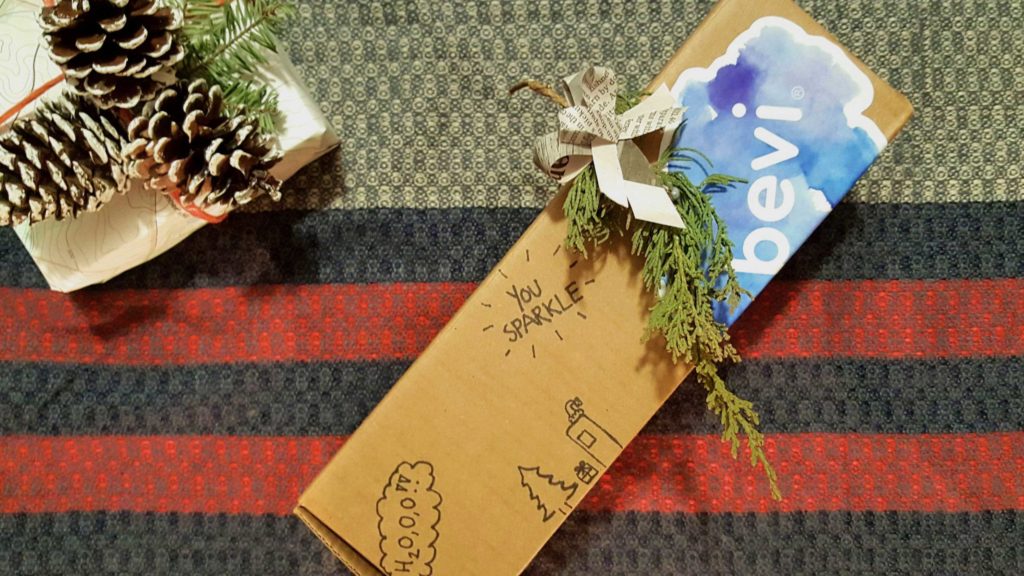
So you have a box, but you don’t have any maps, newspapers, tape, old t-shirts…or any time. You’re not as short handed as you think! Instead of writing a card, use the box as your canvas. Write funny quotes or memories about the gift recipient; jot down a riddle; say something witty about why gift wrap is a thing of the past. When I was a kid, my mom let us decorate the outsides of the boxes we were shipping to family members out of state. Using stamps and paint, the once dreary brown color became a sea of colorful patterns and shapes.

the gift of bevi

We added a Bevi sticker to ours

In addition to these alternatives, there are also several reusable fabric gift wraps out there for purchase (check out LilyWrap or the variety of options available on Etsy).

Regardless of the approach you take, there’s no better way to show someone you care this holiday season than using sustainable gift wrap.


When we’re not promoting eco-friendly gift wrap, Bevi is on a mission to reduce plastic bottle waste, one pour of sparkling grapefruit water at a time.

Learn how you can reduce your plastic bottle waste here.

Bevi saves 7 million plastic bottles from landfill

Boston, MA – Bevi, a Boston technology company that inspires behavioral change through design and technology, announces a milestone of 7 million bottles saved from the landfill. Bevi’s smart office water cooler customizes still and sparkling water with healthy flavors, without the need for single-use disposable bottles or cans. The Bevi machines are powered by filtered tap water, and can be found in offices across the US, including Netflix, Lyft, GE, Intel, and MIT.

Earlier this year, Bevi conducted a research survey with YouGov PLC, where 25% of millennial employees reported that having a sustainability initiative at their workplace is important. Furthermore, one in four would even work longer hours at a company with sustainability initiatives than for a non-sustainable company.

Sean Grundy, Bevi CEO says of the survey and milestone: “We started this company to make it easy to get through the day without drinking from a disposable plastic bottle. It’s been amazing to see that dream become a reality, and to witness the environmental impact everyday. Some of our customers used to burn through thousands of plastic water bottles (and budget) per week. Instead, they have replaced refrigerators stocked full of bottles or cans with Bevi units. We provide an easy solution for employers to implement a sustainability program, while winning the war for talent.”

Contact:
Frank Lee
Co-Founder and Head of Marketing
frank@www.bevi.co

Happy Earth Day (Week)!

Throughout the year, our team comes up with "holiday" themes to keep things fun at your workplace. Last month, we brought you the National Employee Appreciation Day.

Earth Day is this Saturday, so for a whole week, we will be celebrating Earth Day! Check out your Bevi machine for details and participate in our #EarthDayEveryday Upcycling Competition.

Meet Green: Tips for Greener Meetings

Whether you’re assembling a dozen people in an office conference room or convening a few hundred at a convention center, your meetings make an impact beyond your company’s bottom line. How can you reduce the impact of meetings on the Earth while still collaborating for your organization’s success?

We’ve got tips to meet green whether you’re going big or talking small.

Meet green everyday

It starts with ten printed copies of an agenda (7 of which will be barely glanced at and left behind). It ends when the last person leaves the room but leaves the lights on. During the 30 – 60 minutes in between, a team might discuss some important topics, make some key decisions, and identify some necessary next steps. But they’ll also make an impact on the environment unless they take a few steps to green that meeting.

To print or not to print

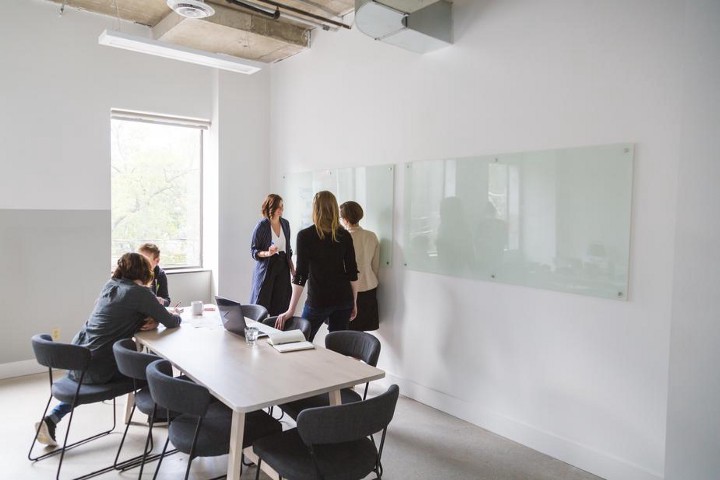
Business still runs on paper and there’s no getting around that. But before each meeting, ask yourself: “Do we really need this?” Use a white board to share your meeting agenda and save dozens of pages per meeting. Share presentations via projection or screen sharing to cut down on the stacks of copies you bring into the room. (If you need a print-out of your presentation to share, bring just one or two to pass around the room or leave with key decision makers). Going paperless at every meeting may seem like an unachievable goal but a little bit of reduction is always possible and makes an impact.

All for one and one for all

Once you reduce the amount of paper you bring into the room, you may notice the number of electronics increases. Without printed agendas on which to take notes, attendees may feel compelled to tote laptops and tablets along with them. But, as with all things, there is a balance to sustainability. If ‘less paper’ equals ‘more electricity’ then we really haven’t made the difference we sought to make. See if assigning note-taking to one member of the group might help. In addition to reducing the environmental impact of that half hour, you may notice each meeting attendee is more engaged!

Think light

Relive your school days when the best thing that could happen on a nice spring day was your teacher saying, “Let’s have class outside!” Find a nice spot to sit in the office courtyard or at a nearby park. Having a meeting that doesn’t require materials? Meet while walking. This strategy serves the double goal of reducing the electricity required to power your chat and improving the health of everyone you meet with. And, of course, if you can’t help but meet inside, be sure to turn the conference room lights off when you leave.

Go big and stay green

Small changes in your small meetings can make a big difference. But what about larger meetings and conventions that requires large amounts of paper, travel, and supplies? It’s no surprise that the EPA once deemed the meetings and events industry the 2nd most wasteful in the U.S. Fortunately, every stop along the industry’s supply chain has trended towards sustainability over the past decade, turning even the largest of meetings green.

To travel or not to travel

Need to discuss something and email won’t do? Pick up the phone.

Need to discuss or interact with visuals? With Skype, Google Hangouts, and others, the sky is the limit.

Will you still have to travel, sometimes, across the miles to meet in person? Of course. Even with all of the technology at our fingertips, we still haven’t completely replaced the experience of meeting face-to-face. But thanks to the plethora of virtual meeting options, we can now make smarter decisions and travel only when necessary.

Cater greenly

Food adds an important element to even the smallest of events and keeps large meetings energized. But the miles that food has to travel, not to mention the waste created by leftovers, serving materials, and other accessories like linens and flatware, makes a huge impact. Go green by seeking sustainable and local suppliers that serve organic food with locally sourced ingredients on reusable or eco-friendly plates, napkins, etc.

Locate sustainably

Whether planning a large convention or a smaller conference, finding the perfect location for everyone, that also takes the environment into consideration, can be a daunting task. If this is your daunting task, check out the International Civil Aviation Organization’s Green Meetings Calculator. You input your attendees’ cities of origin and it gives you a list of location options that take into account the aggregate CO2 emissions generated by flights.

What strategies do you use to ensure your meetings make an impact on your work but not on the environment?