Magnesium 101: Supplement for sleep, stress, and focus

Walk down any supplement aisle or scroll #VitaminTok, and you’ll see it: magnesium. But with every bottle promising better sleep, less stress, or laser-sharp focus, it’s hard to know what’s hype and what’s true. Citrate, glycinate, L-threonate: the magnesium options blur together fast. Which one should you get?

This guide cuts through that clutter. We’ll break down the most common forms of magnesium, what the research actually says, and how to choose the best magnesium supplement based on your goals—no chemistry degree required (or influencer endorsements allowed).

What exactly is magnesium and why is it essential?

Magnesium is a dietary mineral that powers over 300 enzyme reactions, from turning food into cellular energy (aka Aadenosine Ttriphosphate, or ATP), to regulating muscle contraction, nerve firing, and DNA synthesis. 

Adequate levels support steady heart rhythm, sturdy bones, and neurotransmitter balance, which explains why it is often linked to benefits like better sleep, calmer mood, and fewer muscle cramps. Some research even links optimal magnesium to sharper working memory and reduced PMS discomfort. 

Despite these findings, nearly half of U.S. adults fall short of the daily 310 to 420 mg recommended allowance because modern diets rely heavily on refined grains and bottled beverages that are low in minerals. That shortfall—often signaled by fatigue, muscle twitches, or lingering stress—drives many people to consider supplementing their diet with Mg supplements.

With so many types lining the shelves, however, each promising distinct benefits—from sleep to mood—magnesium supplements can be deceptively difficult to choose between.

The three types to know

Not all supplements work the same way. The type of magnesium you’re ingesting changes how well your body absorbs it, what effects you’ll feel, and even how your gut reacts.


Magnesium Citrate

Combined with citric acid, making it easy for the body to absorb and also giving it a mild laxative effect. It’s a common, affordable choice for boosting magnesium levels and supporting digestion. (PubMed: PMID 27980423)


Magnesium Glycinate

Bound to the amino acid glycine, known for its calming properties. It’s gentle on the stomach, well absorbed, and often used to support relaxation, stress reduction, and better sleep without causing digestive side effects. (PubMed: PMID 34626182)


Magnesium L-Threonate

Combined with L-threonic acid (a vitamin C metabolite) and is notable for its ability to cross the blood–brain barrier. Research suggests it may enhance memory, learning, and sleep quality by raising brain magnesium levels, though it’s more expensive and less studied than other forms. (PubMed: PMID 23089474)

Trying to stay focused?

Focus Blend, Bevi’s first-ever enhancement designed to deliver calm, lasting focus without the high caffeine of traditional energy drinks, is available exclusively from Bevi’s Smart Water Coolers®.

In summary

Your choice of supplementation form should match your wellness goals. For a good night’s sleep and calm moodglycinate is a top recommendation due to its high absorption and calming glycine component.

If you’re more focused on brain power, memory, or age-related cognitive supportL-threonate is worth the investment; it’s specifically shown to benefit brain health and also carries some sleep and mood benefits.

If your needs are more basic, like general supplementation or constipation reliefcitrate is a reliable and cost-effective form to increase your magnesium intake (just watch out for the laxative effect at higher doses).

Keep reading stories on Bevi's blog

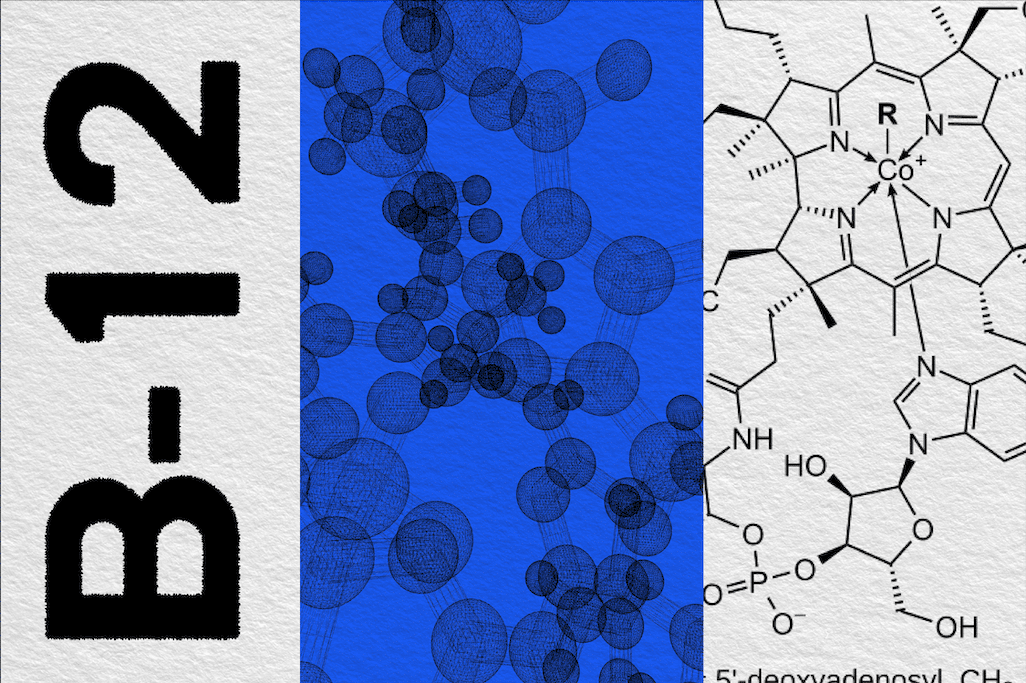
Vitamin B12: How it works & why it helps

Ever had one of those days where your brain is firing on all cylinders, your to-do list is shrinking, and you feel like you could take on the world? 

We usually credit a solid night’s sleep or that first cup of coffee. But behind the scenes, vitamin B12 is doing the neurological and biochemical work that helps make those productive, joyful days possible.

This powerhouse nutrient helps turn the food you eat into steady, usable energy while keeping your nerves firing and your red blood cells healthy. Yet, despite its importance, many people don’t know if they’re getting enough vitamin B12 in their diets.

With more of us leaning into functional nutrition and smarter wellness choices, B12 has earned a spotlight. In this guide, we’ll cut through the noise, unpack the science, and share what’s proven (and what’s not) about this vitamin’s role in focus, mood, and long-term health. So you can make confident, informed choices for your body.

What is vitamin B12?

If your body were a well-oiled machine, vitamin B12 would be the behind-the-scenes maintenance crew. Also known as cobalamin, it’s a water-soluble B-vitamin your body needs to keep nerve cells insulated and healthy, support DNA production, and build the red blood cells tasked with ferrying oxygen throughout the body, and support overall brain health.

You can get B12 through animal-based foods like fish, dairy, eggs, and meat, or through fortified products if you follow a mostly plant-based diet. Some diets lean on supplements when food sources or absorption are not enough.

Under the surface, B12 operates in two active forms, or “coenzymes:”

  1. Methylcobalamin powers an enzyme called methionine synthase, which recycles homocysteine into methionine. This is a key step in forming molecules that drive DNA synthesis, methylation (a kind of cellular “switch flipping”), and nerve insulation (myelin).
  2. Adenosylcobalamin supports methylmalonyl‑CoA mutase in mitochondria, helping metabolize certain fats and amino acids into energy (and preventing harmful byproducts).

The benefits of getting enough vitamin B12

If your body were a well-oiled machine, vitamin B12 would be the behind-the-scenes maintenance crew. Also known as cobalamin, it’s a water-soluble B vitamin your body needs to keep nerve cells insulated and healthy, support DNA production, and build the red blood cells tasked with ferrying oxygen throughout the body, and support overall brain health.

You can get B12 through animal-based foods like fish, dairy, eggs, and meat, or through fortified products if you follow a mostly plant-based diet. Some diets lean on supplements when food sources or absorption are not enough.Under the surface, B12 operates in two active forms, or coenzymes:

The benefits of getting enough vitamin B12

When your B12 levels are healthy, your body’s fundamental systems, from energy conversion to oxygen delivery, work more reliably. That often translates into steady energy throughout the day and a clearer mental groove, not because B12 is a quick fix, but because it supports your core biology.

Mood and emotional resilience

Research has found that people low in vitamin B12 are more likely to experience mood changes, including symptoms of depression. This may be because B12 helps regulate certain brain chemicals and keeps levels of homocysteine, a substance linked with mood problems, in check. For someone who’s low, getting enough B12 can significantly boost mood, alongside other treatments. For someone who already has healthy levels, extra B12 probably won’t lift mood on its own

Fatigue and physical endurance

Vitamin B12 plays a key role in making healthy red blood cells, which carry oxygen through your body. Without enough of it, you can feel unusually tired or weak. Meeting your needs helps maintain natural energy and stamina, supporting everything from daily tasks to workouts. But if your levels are already fine, large amounts of B12 won’t give the same “boost” that caffeine or a workout might.

Cognitive function and mental clarity

Vitamin B12 helps protect your brain by supporting nerve health and preventing a buildup of certain byproducts, like homocysteine and methylmalonic acid, that can interfere with brain function when levels get too high. In people who are deficient, restoring B12 levels can improve clarity and focus. If your levels are already healthy, extra amounts aren’t likely to sharpen thinking further, but maintaining healthy levels is crucial for preventing cognitive decline and supporting overall mental clarity and nerve function, as even sub-optimal levels can impact cognition.

The big takeaway is this: vitamin B12 shines most when you’re meeting your needs or restoring normal levels; not as a performance booster when you’re already replete. It’s widely safe at typical supplemental doses and has an important role in an evidence-based wellness plan focused on long-term energy, clarity, and health.

Understanding vitamin B12 deficiency

Think of vitamin B12 as your body’s maintenance manager. When stores run low, essential systems, especially your nerves and red blood cells, start to feel the strain. 

At first, the signs can be easy to miss: maybe a little more fatigue than usual, tingling in your hands or feet, or feeling a bit off-balance. As the shortage grows, you might notice pale skin, low energy, or changes in how quickly you process information.

Some people are more likely to experience these changes than others, simply because of how they eat, age, or absorb nutrients.

Who's more likely to run low?

Some people have a harder time getting or absorbing enough B12. This includes:

The good news

When deficiency is confirmed and treated, whether through diet changes, oral supplements, or injections, many people notice real improvements in energy, mental clarity, and overall well-being. Studies have documented meaningful gains in alertness and cognitive function once B12 levels are restored in those who were low.

Don't guess—test

Because the symptoms can overlap with other health issues, the only way to know for sure is with proper testing. Healthcare providers often check serum B12 alongside methylmalonic acid (MMA) and homocysteine for a fuller picture, then tailor a plan to help you get back into the healthy range.

Vitamin B12 and cognitive focus: what the research says

When B12 levels drop too low, bringing them back up can make a real difference for the brain. In people with confirmed deficiency and cognitive symptoms, supplementation has been shown to improve skills like memory and problem-solving, and many experts recommend testing B12 in anyone with unexplained cognitive changes. That part is clear.

Here’s where it gets more nuanced: If your vitamin B12 is already in the healthy range, taking extra isn’t likely to sharpen focus, boost alertness, or improve working memory. Large-scale reviews show that while B-vitamin combinations (including B12) can lower homocysteine, this doesn’t consistently translate into better test scores for otherwise well-nourished adults.Observational research does show that low B12 is associated with smaller brain structures, like the hippocampus, and with lower cognitive performance. This has led some researchers to explore whether maintaining optimal B12 might help slow decline in people at higher risk. For most healthy adults, though, the best strategy is straightforward: aim to meet your needs through food or a standard supplement if necessary, and let lab results guide any higher-dose treatment rather than expecting extra B12 to act like a mental “booster.”

Sourcing vitamin B12: food, supplements, and how much you really need

Food is the first and most reliable place to get your B12. The richest natural sources are animal-based; think clams, trout, salmon, beef, dairy, and eggs. If you follow a vegan or mostly plant-based diet, fortified options like breakfast cereals, nutritional yeast, and plant milks can help you meet your needs.

Supplements are useful if your diet is limited, your absorption isn’t optimal, or you have a confirmed deficiency. For most people, cyanocobalamin is an affordable, well-studied choice, while methylcobalamin is another widely available form. Typical supplemental amounts range from 500 to 1000 micrograms daily, with healthcare providers often prescribing higher short-term doses for those with deficiency or absorption challenges.

How much b12 per day?

Nearly 1 in 5 adults over 60 have low or borderline vitamin B12 status, so it’s worth paying attention to your intake early, not only after symptoms appear. For most healthy adults, the recommended dietary allowance (RDA) is 2.4 micrograms (µg) per day. Needs increase during pregnancy (2.6 µg) and breastfeeding (2.8 µg), or if certain health conditions or medications interfere with absorption. While supplement doses may look much higher than the RDA, that’s because your body absorbs only a fraction at a time.

There’s no established upper limit for B12 since it’s water-soluble and your body can excrete what it doesn’t use, making typical over-the-counter doses considered safe. Still, the right plan depends on your individual health history and medications. 

If you’re unsure about your levels or fall into a higher-risk group, the smartest move is to get tested and work with a clinician to tailor your form and dose, rather than guessing.

B12, brainpower, and bringing your best self to work

Vitamin B12 may be a small nutrient, but it plays a big role in how energized, clear-headed, and balanced you feel day to day. It supports how you think, feel, and function. Making sure you’re getting enough, whether from food, fortified options, or supplements, supports the systems that keep your brain sharp and your body running smoothly.

For those looking to weave more steady focus into their daily routine, Bevi’s Focus Blend combines B12, a low dose of natural caffeine, and calming magnesium to deliver lasting focus without feeling wired.So you can bring your best self to work, the classroom, or wherever the day takes you. 

Smart nutrition and smart hydration can be the simplest way to power your productivity.

Keep reading blogs, guides, and more from Bevi

Is flavored water good for you?

March 31, 2025. One of the best things about flavored water is simple: people drink more of it. A clean citrus note, a splash of melon or berry—it helps the glass go down faster, and makes you want another. In fact, 82% of people say flavors make water more palatable and interesting. And when you drink more water, you stay better hydrated, which means clearer thinking, better mood, better days.

But is flavored water good for you? Not just more enticing to drink?

That depends on three things: the quality of the water itself, the ingredients responsible for the flavor, and how much of it you’re drinking. 

If you’re trying to figure out whether that new bottle in your hand is worth drinking—or if your flavored water habit is helping or hurting—here’s a thee-point checklist to run through.

how is the flavored water packaged

1. How is the flavored water packaged?

The vessel matters more than most people realize. It’s not just what’s in the water; it’s what the water’s been sitting in.

Plastic bottles

If you’re getting flavored water from a single-use plastic bottle—no matter the quality of that plastic—there’s likely thousands, if not hundreds of thousands of plastic particles floating around in the water. Plastic beverage bottles break down a lot between the time it’s packaged to when it’s consumed.

Aluminum cans

While recyclable, aluminum cans have been found to contain higher concentrations of endocrine-disrupting chemicals, such as bisphenols, compared to other packaging materials. These substances leach into the flavored water.

No packaging at all

If you’re getting flavored water dispensed to you, right into your reusable cup, glass, or reusable water bottle, after it passes through a high-quality filter, you can dramatically minimize exposure to these nasty contaminants associated with packaged beverages.

flavored water is good for you if it has the right ingredients

2. What's giving it that flavor?

When you’re looking at a bottle of flavored water, don’t just scan the calorie count—look at the ingredients.

Now check for sweeteners.

person drinking from flavored water bottle

3. How much are you actually drinking?

Daily intake changes the answer to whether flavored water is good for you.

If it’s sweetened—naturally or artificially, consider both along the same line—keep your flavored water intake to a moderate amount. If it’s unsweetened, you’ve got more freedom. The safest bet is flavored water made with clean, real ingredients.

Bevi’s flavors, for example, are naturally derived from real sources like fruit. All but two come with no added sweeteners or calories.

For some people, adding flavor is the only way to drink enough water each day. If that’s you—and you’ve checked off the first two items on this list—then drinking plenty of it makes sense.


So, is flavored water good for you?

It can be. It often is. Especially if the ingredients are clean, the packaging is safe. Like most things: it’s about the context, the inputs, and the quantity.

Flavored water can be a way to make drinking water feel less like a chore. Use this list to make sure it’s not your health doing the extra work.


Read the latest on Bevi's blog.

Is there bottled water without microplastics?


Last updated July 2, 2025.

With plastic particles showing up everywhere—in our food, our drinks, even the air we breathe—you might be wondering: is there any bottled water without microplastics?

If you drink water from a plastic bottle, you are drinking plastic.

Not fear-mongering. Not hyperbole. Not facetious. Fact. 

How? All plastic degrades. As it degrades, it sheds. Plastic sheds from the moment your water is bottled to when it shows up on the store shelf.  Plastic from a standard single-use, liter-sized bottle sheds. Tritan copolyester, a more durable type of plastic used to make popular reusable water bottles, like Nalgene’s iconic 32 oz. wide mouth, sheds. (If you wash your reusable plastic bottle in the dishwasher, the heat and water pressure will cause it to shed even more the next time you fill it up.)

Yes, even your reusable plastic bottle adds microplastics to your water.

As your reusable plastic bottle is jostled around in your backpack, heated up by the sun, and plopped onto your kitchen table, another round of imperceptible plastic pieces are knocked loose.

For real, even cracking the lid on a bottle of water releases more microplastics into your beverage.

This isn’t a marginal amount of shedding. According to research released in January 2024, a single one-liter plastic bottle of water contains 240,000 plastic particles. For context (and this is wild context), back in 2018, research conducted with still fairly state-of-the-art imaging technologies identified only 325 plastic pieces in a liter bottle. Still a lot of plastic, yes, but a staggering 739 times less than what we’re actually getting in that volume of water.

And it's not that the material is deficient, that the plastic used for single-use bottles got worse. It’s that the tools for imaging plastic particles in the water from a plastic bottle got more advanced and more able to pick up on exceptionally small pieces, known as nanoplastics, along with the slightly-bigger-but-still-so-so-small microplastics.

If the detection has improved this much in seven years, what do you think we’ll be seeing in another seven?

BPA-free, dye-free, recyclable, spring, distilled, alkaline, any kind: If it’s coming from a plastic bottle, the water has microplastics in it.

While research is still catching up, early studies suggest that microplastics could contribute to inflammation, hormone disruption, and even immune system impacts. You probably don't want to until the long-term effects of drinking bottled water are known for certain, right? Better to cut it out now.


What about aluminum bottles? Do they have microplastics too?

Aluminum and glass bottles are a step in the right direction. Since they're not made of plastic, they won't shed plastic into your drink. But they can’t completely solve the problem either, since the filtration methods used to bottle or can any kind of water for single-use—whether plastic, aluminum, or glass—is likely not up to par with what you want to be putting in your body.

Studies have found that tap water contains a number of microplastics, which is bad news for bottled water. Because, well, bottled water is mostly overpriced tap water. The leading bottled water brands—including Coke’s Dasani and Pepsi’s Aquafina—are nothing more than municipal tap water run through a filter that is likely not adequate for removing these plastic particles.

The bigger picture. Also worth mentioning that, even if aluminum and glass single-use bottles cut down your exposure to microplastics, they still carry an environmental cost. Mining. Manufacturing. Transport. Refrigeration. And despite all the “infinitely recyclable” claims, most of these bottles end up as litter, in landfills, or washing away into our waterways, going along a potentially length but inarguably inevitable journey to the ocean.


So what’s the solution to this microplastics problem? Filter water at the source. Bottle it yourself.

Disposable water bottles may be a dead end, but the trip’s not over. There’s a different on-ramp you can take instead. You stop buying the problem in a container. You filter water at the source. You pour it into your own reusable stainless steel bottle. You never look back.

Find the right filter. High-quality water filtration is your first line of defense against microplastics. Most basic filters do an okay job—they take the edge off the chlorine, maybe improve the taste—but they’re not built to deal with what we’re facing now: microplastics, nanoplastics, the invisible grit that’s made its way into one of the most essential thing we consume.

Bevi machine with carbon filter to remove microplastics from water.

That’s why Bevi water cooler machines were designed the way they were, with an advanced filtration system that houses a recommended, commercial-grade carbon filter certified to remove 99.9% of microplastics from tap water. Every gallon of Bevi water you drink instead of bottled water saves your body from ingesting an average of 900,000 plastic pieces. Not bad, as they say.

When you don’t have access to a Bevi machine at work, the gym, the cafeteria, or the brewery, and you’re at home looking for a glass of water, you can turn to a premium pitcher with a replaceable filter. LifeStraw makes a (relatively) affordable at-home filtrating pitcher that can remove not only microplastics from your drinking water, but a range of other chemicals and heavy metals.


How to make your hydration setup truly plastic-free:


Read the latest on Bevi's blog. We cover water quality, sustainability, beverage trends, office culture, and more.

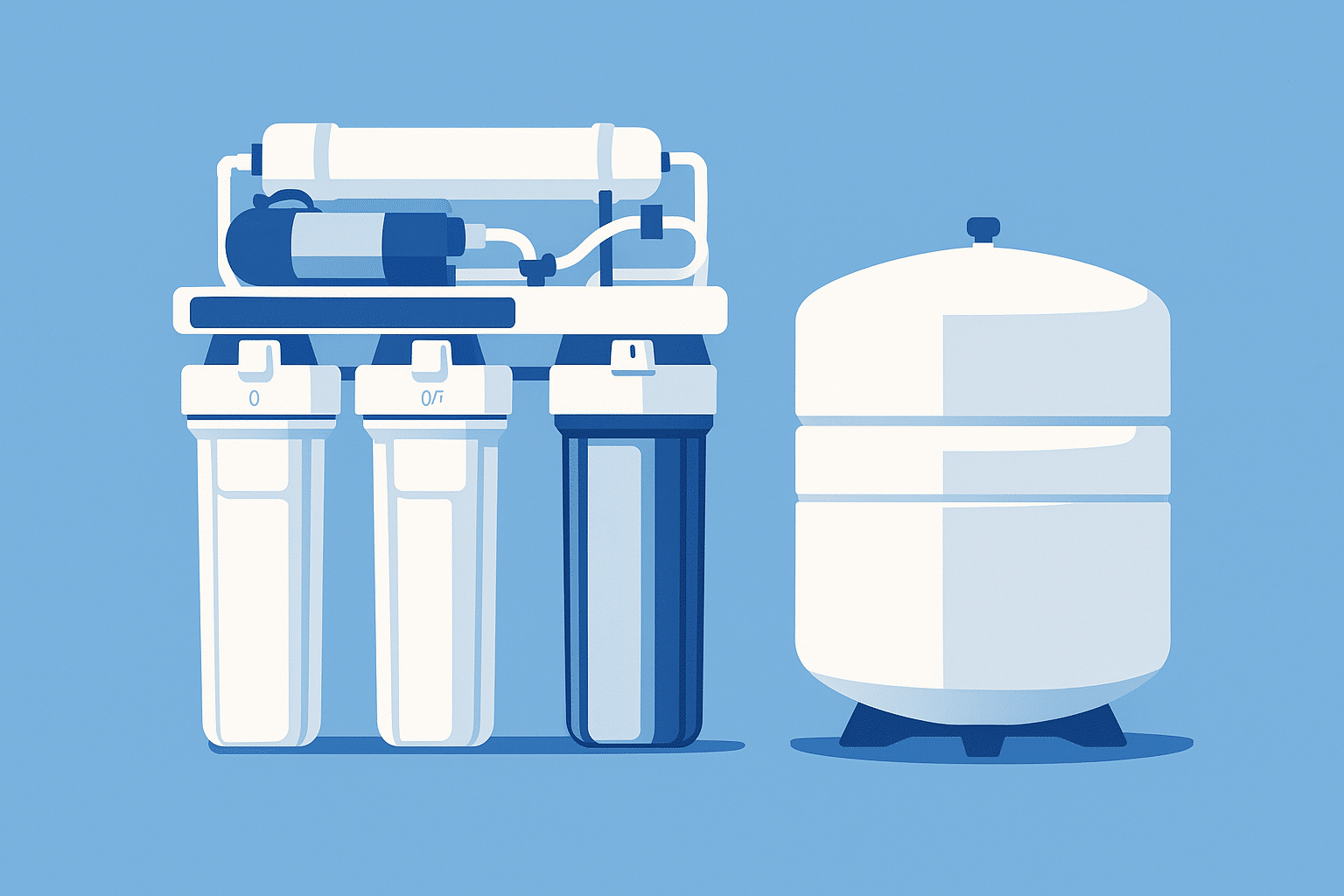
Does reverse osmosis remove microplastics?


Last updated March 25, 2025.

Yes, reverse osmosis filtration systems are extremely effective at removing microplastics from water when operating correctly and maintained frequently.

A 2019 study showed reverse osmosis was able to remove 99.9% of microplastics and nanoplastics from tap water.

Why? The pore size on reverse osmosis membranes is as small as 0.0001 microns. For context, a micron is one-millionth of a meter. That means, at one ten-billionth of a meter, the pores of a reverse osmosis system are miniscule enough to filter out particles 700,000 times smaller than the diameter of an average human hair. That covers not only the vast majority of microplastics, but also a decent portion of nanoplastics.


But be aware. There's more to the reverse osmosis and microplastics story.

Recent research has raised concerns that under certain conditions, reverse osmosis may actually introduce—not remove—microplastics into the water as it passes through the system.

Reverse osmosis membranes are usually made from a thin layer of polyamide plastic.

As reverse osmosis systems age, their filtration performance may decline. A 2023 review published in Water Science & Technology noted that degraded or aging polymer-based membranes can become a source of microplastic particles themselves. Similarly, a study in Chemosphere highlights that prolonged use and membrane fouling can lead to breakdown of the reverse osmosis membrane materials, releasing tiny fragments into the water. Membrane type, age, and maintenance all play a role.

This is why some setups combine reverse osmosis with other filtration methods—such as carbon, UV, and sediment filtration—to extend membrane life and improve overall performance. It's also why regular maintenance of your filtration system is essential.

While more research is ongoing, rest assured, reverse osmosis is still expected to remove significantly more microplastics than it might contribute to your tap water.


Microplastics and your health: What you need to know

Truth is, you're better of dealing with the microplastics in your tap water than trying to get around it with bottled water. Microplastic particles have been detected in 93% of bottled water samples. What's the issue with being exposed to these particles in the beverages you drink?

All of the plastic that is dumped into our ocean becomes part of the water we drink.

The science of reverse osmosis filtration

Reverse osmosis works by pushing water through a semi-permeable membrane with pores small enough to allow water molecules through while blocking nearly all other substances. It's one of the best solutions out there for obtaining clean drinking water. The process removes is highly effective at removing:

This type of filtration is commonly used in industrial settings, laboratories, or places where water sources are severely compromised by pollution or outdated infrastructure. In these cases, the high level of purification reverse osmosis provides can be essential for protecting health.

The downsides of reverse osmosis (it doesn't have to do with filtering microplastics)

Reverse osmosis may deliver impressively pure water, but that level of filtration doesn’t come without cost. From environmental concerns to practicality issues, RO systems carry trade-offs that make them less suitable for everyday use, especially in high-traffic or sustainability-focused settings.

1. Waste water

One of the biggest drawbacks of reverse osmosis is how much water it wastes. For every gallon of filtered water produced, an RO system can flush out 5 to 6 gallons as brine. That means the system sends significantly more water down the drain than it delivers for drinking.

In places where water is scarce, or conservation is a top priority, this inefficiency poses a serious problem. The environmental toll adds up quickly, particularly when used in homes, offices, or facilities that consume large volumes of water daily.

2. Energy and maintenance costs

RO systems don’t just waste water but also require energy. These systems rely on high water pressure to force water through a tightly woven membrane. That pressure often requires electricity or mechanical boosters, increasing both energy consumption and carbon footprint.

3. Strips out essential minerals

Reverse osmosis filtration systems don't just remove the bad. They strip away beneficial minerals and trace elements as well. That's calcium, magnesium, potassium, sodium, phosphorus, iodine, zinc—the list goes on. These minerals are essential for various functions in the body from bone health to nerve signaling.

Many RO systems try to correct this by adding remineralization filters, but these come with their own set of challenges, including added complexity, inconsistent mineral balance, and extra cost.

Purify your tap water without the waste

With over a decade of expertise in water filtration, Bevi designs and engineers Smart Water Cooler® machines that deliver pure, safe drinking water from your tap. At the core of this system is our recommended, commercial-grade carbon filter, certified to remove 99.99% of microplastics and 99.9% of bacteria, parasites, chlorine, and other compounds you don’t want in your cup.

Making an informed choice for hydration

Clean drinking water is essential, but how you achieve it matters just as much as the result. While reverse osmosis is highly effective, it comes with environmental and practical drawbacks that make it less suitable for everyday use—especially in workplaces or sustainability-focused spaces.

Bevi’s carbon filtration offers a smarter alternative. It removes the contaminants that matter most, retains essential minerals, and avoids the waste and complexity of RO systems. The result is hydration that supports both people and the planet.

Here’s what to remember when weighing your options:


Read the latest stories from the Bevi blog

Allulose 101: A curious alternative sweetener

March 23, 2025. Scientists have spent decades searching for a sweetener that tastes like sugar without any of the negative side effects. But most substitutes have come with baggage: too much of an aftertaste, too saccharin, too many ingredients you can’t pronounce. That's the space in which allulose has grown in popularity.

What is allulose?

A carbohydrate categorized as a rare sugar due to it existing in tiny amounts within nature, such as in figs, jackfruit, and molasses, allulose has, in recent years, become a more popular low-calorie sugar substitute for food and beverages.

Chemically, allulose functions like fructose—which makes sense, since manufacturers usually derive it from fruit—but it behaves differently in the body. While the body absorbs and uses regular sugar for energy, it excretes most allulose without metabolizing it, resulting in minimal impact on blood sugar. A powerful option to go with the food or drinks in your pantry or fridge (and an object of fascination for scientists).

Figs and raisins naturally contain allulose.

What is this sugar substitute made from?

Since the extraction of naturally-occurring allulose is expensive, that method is too impractical for commercial production. As such, manufacturers today produce the natural sweetener allulose on a large scale using enzymatic conversion, a process that turns fructose derived from corn, sugar beets, and wheat into starch, then that starch into fructose, and finally that fructose into allulose. Quicker, cheaper, and resulting in far larger supply than extraction.

Is allulose safe?

It’s smart to question the safety of any new food ingredient, especially one that seems too good to be true. While long-term studies on allulose are still ongoing, current research suggests that this sugar substitute is safe and suitable for regular use.

The U.S. Food and Drug Administration (FDA) classifies allulose as Generally Recognized as Safe (GRAS), which means it’s approved for use in food and beverages. Clinical studies show that allulose does not raise blood glucose or insulin levels, making it a great option for people managing diabetes or following a low-glycemic diet.Allulose is also well tolerated by most people. Unlike sugar alcohols such as erythritol or xylitol, allulose doesn’t typically cause bloating or digestive discomfort when consumed in moderate amounts.

Dietary benefits

Allulose is a good fit for ketogenic diets.

With growing consumer interest in functional and alternative sweeteners, allulose stands out for its unique health benefits:


Allulose vs. other sweeteners

All these benefits make allulose a standout choice for anyone looking to cut back on sugar without sacrificing taste or texture. But how does it stack up against other popular sweeteners? Let’s take a closer look.

Allulose vs. stevia

Allulose closely mimics sugar's taste and texture, making it a more seamless substitute in recipes. In contrast, stevia has a distinct aftertaste that some people find off-putting. Additionally, stevia is significantly sweeter than sugar, meaning it requires careful formulation when used in food and beverages. You can use allulose, on the other hand, as a direct sugar replacement, which makes it a more convenient option for cooking and baking.

Allulose vs. erythritol

Compared to erythritol, allulose is generally easier on digestion. The body absorbs and excretes allulose without allowing it to undergo fermentation in the gut. Both sweeteners are keto-friendly and do not raise blood sugar levels. Allulose provides a more sugar-like experience in recipes, however, as it browns and caramelizes similarly to table sugar, which makes it ideal for baking.

Allulose vs. artificial sweeteners (such as aspartame and sucralose)

When examining allulose alongside artificial sweeteners like aspartame and sucralose, the most notable difference is its natural origin. We derive allulose through a natural process; scientists formulate aspartame and sucralose in a lab. Artificial sweeteners have long been controversial due to concerns over potential long-term health effects, including links to metabolic disruptions and gut microbiome changes. Experts see allulose as a safer, more natural alternative when compared to aspartame, sucralose, acesulfame potassium (Ace-K), neotame, or any of the other artificial choices.


Compared to other sweeteners, allulose stands out for its sugar-like taste and gentle digestion. But despite its rising popularity in the U.S. and Asia, regulatory approval hasn’t reached every corner of the globe—most notably, Europe.

Why is allulose banned in Europe?

If you’ve heard that allulose is “banned” in Europe, that’s not exactly the case. The European Food Safety Authority (EFSA) has yet to approve allulose, not due to current safety concerns, but because additional long-term data is needed to meet Europe's stringent standards for new food ingredients. ​

Allulose is not currently approved for use in Europe.

In the EU, allulose is considered a “novel food,” which means it has to go through a formal approval process before it can be sold. That process takes time—especially when scientific studies are still emerging. Multiple applications have been submitted to the EFSA for approval, but so far, no final decision has been made.

How to use this sugar substitute

Whether you're looking to sweeten your morning coffee, bake a batch of cookies, or make a creamy, scoopable ice cream, allulose offers a sugar-like experience without the downsides.


Latest Stories from Bevi

Bevi is here to help you stay refreshed on the latest stories on the beverage industry, its need for more sustainability, and the impact we’re having on businesses and office culture. Keep an eye out for more insights on the ingredients and innovations we’re excited about next.

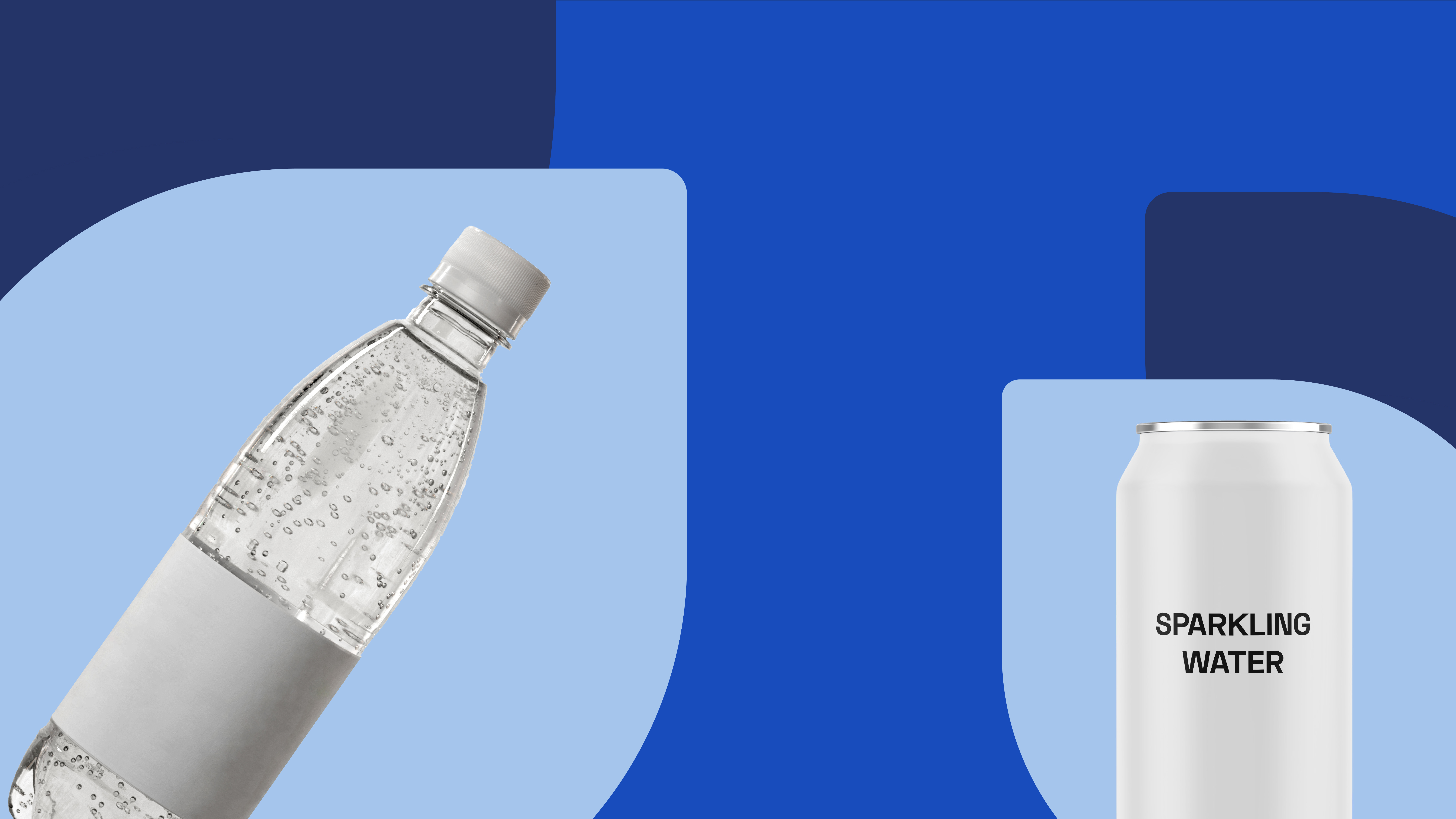
There's PFAS in your bottled sparkling water

February 19, 2025. Great-tasting sparkling water beverages, such as LaCroix and Spindrift, have become staple office amenities thanks to their lack of artificial flavors and variety of flavor options. They serve as refreshing alternatives to soda or plain tap water. But beneath the bubbles and trendy packaging lies a hidden risk. A toxic synthetic compound we are coming to collectively call "forever chemicals." Per- and polyfluoroalkyl substances. PFAS.

Recent studies have revealed that many canned sparkling waters contain measurable amounts of PFAS, which have been linked serious health concerns such as cancer, hormone imbalance, and liver damage. Although the levels of these "forever chemicals" in the sparkling water brands you know (and probably love) are below the federal government’s voluntary guidelines, they are still far higher than most frequent consumers realize or would voluntarily consume. 

Maybe you didn’t know PFAS was in sparkling water at all. Hard to believe? The truth is, PFAS have found their way into and are lingering in our drinking water because there is no true, stringent limit set against them or standard upheld for their removal. (Even though we've known for decades how toxic they are to ingest.) This truth also means you, as the consumer, need to be the most aware party and figure out how to avoid ingesting these chemicals as you hydrate.

What are PFAS and how did they get into our water?

PFAS are synthetic chemicals used since the 1940s to repel water, grease, and stains. They’re found in non-stick cookware, water-resistant clothing, food packaging, and firefighting foams. While their durability makes them useful, it also means they don’t break down naturally and accumulate in soil, water, and the human body over time.

These chemicals enter rivers, lakes, and groundwater through industrial runoff, landfill leaching, and wastewater from common household products, such as the production of non-stick cookware and stain-resistant fabrics. Yet, this raises an urgent question: How are these contaminants making their way into beverages marketed as clean and refreshing? Understanding the contamination sources is key to making informed choices about your hydration.

How do PFAS wind up in bottled sparkling water?

While public water systems must monitor and report PFAS, bottled/canned water companies are frequently exempt, leaving a gap in consumer protection. A Consumer Reports (CR) study found that many popular carbonated water brands contained measurable PFAS. While many brands fell within the federally declared “safe zone” of less than four parts per trillion (PPT), some experts believe that even 1 PPT poses risks. 

Despite growing regulatory scrutiny, PFAS contamination remains widespread, infiltrating bottled sparkling water through several key pathways.


Contaminated source water with PFAS gets into your sparkling water

When bottling companies utilize untreated municipal water (it's more common than you think), already present in this water supply can persist in the final beverage products.

Carbonation can also interfere with effective filtration, depending on where it's added during the bottling process, further allowing these chemicals to remain intact.

PFAS are commonly used in manufacturing equipment and materials within the food and beverage industry due to their nonstick and water-resistant properties. They are most often found in nonstick coatings on food processing equipment, sealing gaskets, and food and beverage packaging materials, all of which pose contamination risks because PFAS can leach into food and beverages during processing.The FDA has authorized certain PFAS applications, but ongoing research highlights potential exposure risks. Increased regulatory scrutiny aims to mitigate PFAS migration into consumables and improve safety in carbonation and bottling processes.

Similarly, certain types of bottle linings and caps may contain PFAS. Studies have found that some food and beverage packaging materials, particularly those designed for moisture resistance, are treated with PFAS to prevent leakage and degradation. Over time, these chemicals can migrate into the liquid contents, exposing consumers to persistent contaminants.


Clearly, regulation in the United States is woefully lagging. Even brands that comply with FDA regulations still contain trace amounts of PFAS. However PFAS wind up in your glass, the fact remains: the long-term risk of ingesting PFAs outweighs the short-term convenience of canned or bottled water.

The health risks of PFAS exposure

PFAS exposure actively interferes with key biological functions. Imagine your body as a finely tuned machine, constantly regulating hormones, processing nutrients, and flushing out waste. PFAS disrupt this balance, binding to proteins in your blood and mimicking natural hormones, throwing off essential functions like metabolism and immune response.

Over time, these chemicals accumulate in fatty tissues and organs, interfering with liver function, elevating cholesterol levels, and impairing the body's ability to fight infections. Researchers have also linked PFAS to thyroid dysfunction, which can slow metabolism and lead to chronic fatigue. 

The long-term effects don’t stop there—these chemicals have been found in the placenta and umbilical cord blood, suggesting they can impact fetal development and contribute to reproductive health issues.

One of the most alarming aspects of PFAS exposure is its connection to cancer. Studies have found that individuals with prolonged PFAS exposure face higher risks of kidney, testicular, and breast cancer, as these chemicals interfere with the body's ability to regulate cell growth and repair damaged DNA. 

Unlike other toxins that the body can eventually flush out, PFAS remain in circulation, slowly accumulating with every sip of contaminated water.

How can you reduce your PFAS exposure from sparkling water?

Since PFAS contamination is so widespread, avoiding them entirely can be difficult. However, there are practical steps you can take to minimize your exposure and ensure you’re drinking cleaner, safer water:

Looking for a filtered sparkling water?

The best way to ensure that you’re drinking truly clean water is to filter it right before consumption—something Bevi’s water machines are designed to do thanks to their advanced filtration technology.

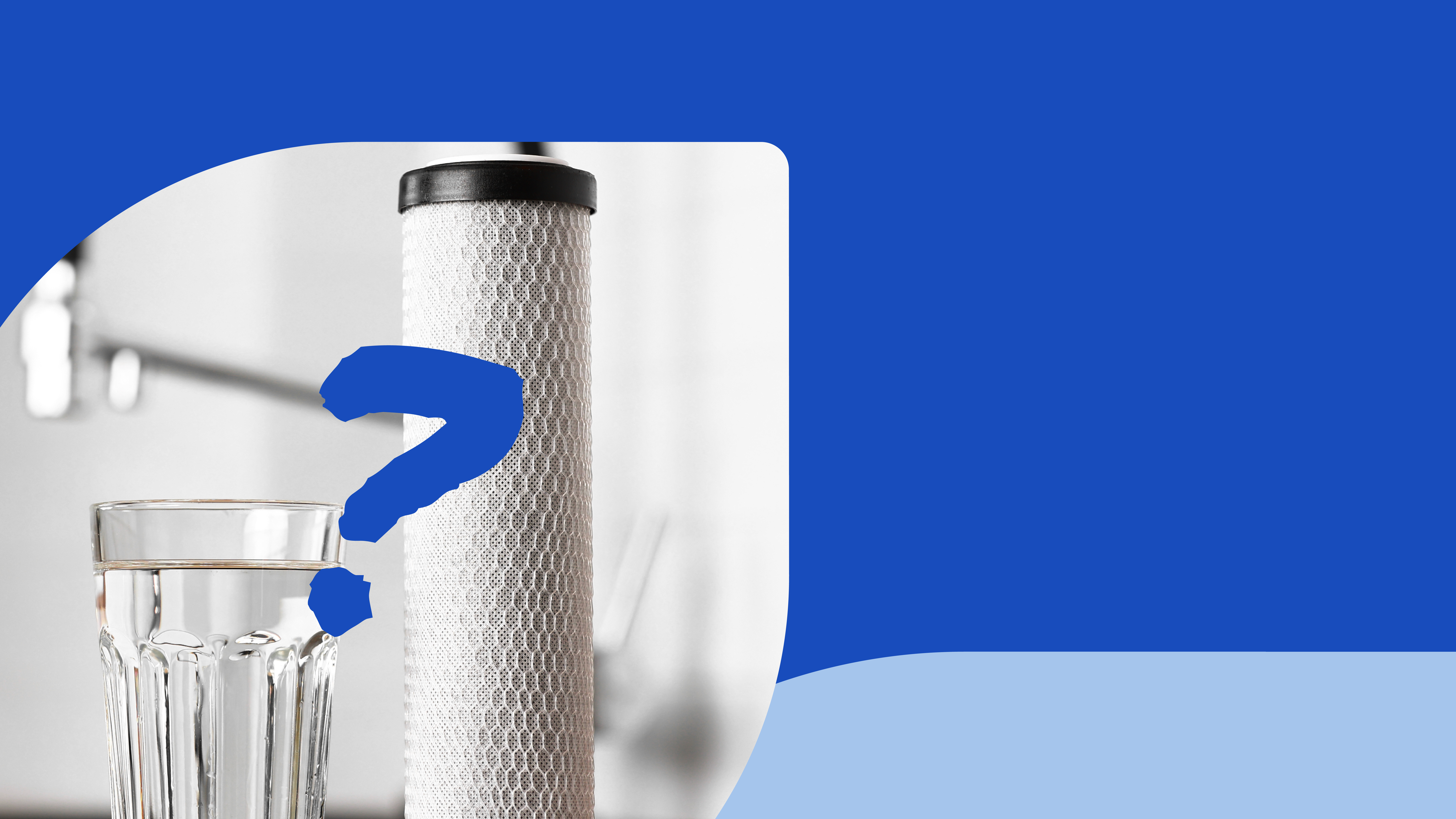
Carbon water filter 101: What it does and why it matters

February 25, 2025. Never in human history has water filtration technology been so advanced and abundant. And yet, at the same time, never has deciphering water safety been so convoluted. From chlorine to microplastics, glyphosate to heavy metals, our drinking water carries hidden contaminants as byproduct of modern life that most of us never think twice about. 

The good news? With the right filtration, you can hydrate safely and avoid these hidden novel contaminants now in our water supply. Consider, most of all, a carbon water filter: the simple yet powerful technology that's purifying tap water for millions of people stripping away its essential minerals. Everyone should be using carbon filters to purify every cup of water they drink.

What exactly is a carbon water filter? Why does it work so well? And how does it compare to other popular forms of water filtration? Let’s take a closer look.

What makes carbon water filters the premiere choice? The amount of junk they remove.

Carbon water filters are among the most efficient and practical solutions for improving water quality and safety while supporting sustainability. Here’s a breakdown of the harmful chemicals and pollutants carbon filters help remove:

By effectively removing these pollutants while preserving beneficial minerals, carbon water filters provide a simple yet powerful solution for safer, better-tasting water.

A carbon water filter works through a process known as adsorption. It's effective, but also selective.

Unlike filtration methods that require complex, energy-intensive processes, carbon filters rely on adsorption—a natural process where contaminants, but not nutrients, adhere to the surface of activated carbon as it passes through the filter. All that’s needed is steady water pressure to keep a carbon filtration system running in a commercial setting since it's effectively a single-step process. Just move tap water through the filter and replace the filter regularly based on its lifespan. That’s it.

Benefit #1: Water retains essential, naturally-occurring nutrients.

Not only does a carbon water filter take out the worst offenders to our health, such as chlorine and microplastics, but it also preserves essential minerals such as calcium and magnesium that are beneficial for our health.

Benefit #2: Retaining essential nutrients in water is what makes it taste great (and keeps it from smelling bad).

As chlorine and other chemicals are filtered out, the sharp, lingering odors they permeate the tap water with disappear too. Essential minerals remain, which is what brings the clean, crisp taste people subconsciously associate with their drinking water. Unwanted elements removed and beneficial ones left to do their work: the result is water that's easy to enjoy consistently, meaning water that passes through a carbon water filter can help encourage people to stay better hydrated.

Carbon filtration vs. reverse osmosis: What’s the best choice?

When it comes to choosing the best water filtration method, many people applaud reverse osmosis (RO) as the gold standard. While RO can be highly effective at removing contaminants, it comes with trade-offs that may not make it the best option—especially for commercial spaces looking for sustainability, efficiency, and convenience.

Downside #1: RO strips essential minerals

While reverse osmosis is excellent at filtering out contaminants, it also removes beneficial minerals like calcium, magnesium, and potassium, which are essential for overall health. The World Health Organization (WHO) has warned that long-term consumption of demineralized water can lead to deficiencies that may impact bone health, cardiovascular function, and metabolic balance . Studies have linked low-mineral water to an increased risk of osteoporosis and higher mortality rates from heart disease .

Downside #2: RO is energy-intensive

Reverse osmosis requires significant energy to operate due to the high pressure needed to push water through its semipermeable membrane. This makes it less efficient compared to carbon filtration, which operates passively without requiring electricity. A report from the Environmental Protection Agency (EPA) found that RO systems consume considerably more energy than other filtration methods, contributing to higher operational costs and a larger environmental footprint.

Downside #3: RO wastes water

Another major drawback of reverse osmosis is its excessive water waste. For every gallon of purified water produced, an RO system can waste up to 5 gallons, depending on the efficiency of the system. This not only drives up water bills but also makes it an unsustainable option for workplaces aiming to reduce their environmental impact. In contrast, carbon filtration has minimal water waste, making it a far more eco-friendly solution.

Carbon filtration is the clear winner—providing efficient, sustainable hydration without wasted water or high energy costs. Not only does it effectively remove contaminants, but it also retains beneficial minerals, making for a better-tasting and healthier drinking experience.

Carbon filters for water = smarter filtration & better hydration

Water quality is more uncertain than ever, but carbon filtration puts control back in your hands. 

Unlike complex systems that strip away essential minerals, carbon filters naturally remove contaminants like chlorine, PFAS, and VOCs—without compromising taste or nutrients. This balance of purity and preservation makes carbon filtration one of the most practical and efficient options for at-home and point-of-use water purification.

By choosing carbon filtration, you’re investing in better health, cleaner water, and a smarter way to hydrate—one that is effective, low-maintenance, and environmentally responsible. When it comes to water purification, the choice is clear: filter smarter, drink better.

Keep reading about water filtration

What is the best water to drink? A no-nonsense guide

February 28, 2025. Drinking water should be the simplest choice we make in a day. Yet, if you’ve ever found yourself in the beverage aisle facing rows upon rows of bottled water options—spring, distilled, alkaline, pH-balanced—you know that it’s anything but simple.

Each bottle boasts a claim: “pure,” “electrolyte-enhanced,” “remineralized,” or “ionized for better hydration.” The sheer variety is enough to make anyone wonder: is one type of water actually better than another? And more importantly, what is the best water to drink for long-term health?

Don’t be distracted by the marketing claims. What really matters is that your water is filtered properly, and doesn't come to you in a disposable plastic bottle or aluminum can. Let’s break down what that means and how to make an informed choice about the water you drink every day.

Deciding the best water to drink means deciphering how water is branded.

Some bottled water brands claim to offer superior hydration, while others market themselves as the purest or most mineral-rich option. But how much of it is fact, and how much is just clever branding?

Here’s a closer look at some of the most popular types of drinking water and whether they live up to their claims.

1. Spring water: naturally sourced, but not always pure


2. Distilled water: too pure for everyday drinking


3. Alkaline water: pricey gimmick or a true game-changer?


4. pH-balanced water: more hype than health benefit

Bottled water may seem convenient, but its benefits are overstated. Whether labeled as spring, distilled, or alkaline, most bottled waters are no more than repackaged municipal water, dressed up with clever marketing. Yes, water that's labelled as "distilled" will almost certainly be distilled, but it's certainly not pure; if that distilled water comes to you in a plastic jug, then there are microplastics in that water.

However the bottled water is branded, remember it carries many hidden costs: for your health, your wallet, and the environment.

Beyond the branding, bottled water comes with hidden costs—potential health concerns, massive environmental waste, and an unjustifiable price tag. No matter what kind you choose, if it comes in a bottle or can, it’s simply not a sustainable or healthy way to hydrate.

Microplastics in every sip

If your water comes from a single-use plastic bottle, you’re likely consuming microplastics as well. Research has found that bottled water often contains tiny plastic particles that leach from packaging over time. These microplastics end up in the human body, and while the long-term health effects are still being studied, we can't imagine they're helping matters by being there. Given the widespread use of plastic in food and beverage packaging, exposure to these contaminants is nearly unavoidable—but drinking from plastic bottles increases the risk significantly.

Paying a premium for convenience

Economically speaking, bottled water is one of the biggest consumer rip-offs. Depending on the brand, bottled water can cost up to 2,000 times more per gallon than filtered tap water. Yet, in many cases, that bottled water is simply repackaged and filtered municipal tap water.

The single-use plastic predicament

Beyond personal health risks, bottled water is a disaster for the planet. Every minute, over one million plastic bottles are purchased globally, and despite recycling efforts, a vast majority of these bottles end up in landfills or oceans where the take hundreds of years to decompose. What’s more, the production process itself is resource-intensive, requiring significant amounts of fossil fuels and water—ironically, it can take more water to produce a plastic bottle than the amount it actually holds.

Given the health concerns, environmental toll, and financial waste associated with bottled water, it’s clear that a more sustainable and reliable hydration solution is needed.

So, what is the best water to drink? The answer isn’t in the most expensive or trendy bottle—it’s water that is properly filtered, rich in minerals, and has a minimal environmental footprint.

The best water to drink is filtered, and it doesn't come in a single-use plastic bottle.

Unlike bottled water, which is often sourced from municipal supplies and repackaged with a hefty markup, point-of-source filtration allows you to be 100% certain that your water is free from harmful contaminants while still retaining the essential minerals your body needs. It is without a doubt the best water for you to drink.

Carbon filtration specifically is one of the safest, healthiest, and most sustainable water filtration options available. While some purification methods, like reverse osmosis (RO), strip water of all minerals, carbon filtration is designed to enhance both safety and taste. High-quality carbon filtration systems remove volatile organic compounds (VOCs), chlorine, and unpleasant odors while preserving healthy minerals like calcium and magnesium. This means that you’re getting clean, refreshing water that supports hydration, bone health, and muscle function—without the unnecessary waste of plastic bottles.

Bevi machines are built with filtration systems that clean the water you already have on tap.

For offices, gyms, hotels, airports, convention centers, and other high-traffic commercial spaces, a Bevi water machine provides filtered water with the flavors and functional ingredients you can mix in yourself. Our machine's system, when used with our recommended industrial carbon filter, is even certified to remove 99.99% of microplastics from tap water. Users often say that no water tastes better than the water that comes from a Bevi machine; ready to see what all the fizz is about?

So, instead of chasing the latest water trend, focus on the essentials: clean, mineral-rich water that hydrates without harming the planet.

Thirsty for more stories on water quality?

Bottled water vs. tap water: Which is better?

January 31, 2025. Clever marketing campaigns have shaped our perception of bottled water as a cleaner, safer, and more premium alternative to tap water. But is it really? No, it's not. Just as tap water is impacted by pollutants from the environment, the water you get from a bottle has its own potential nasty sources of contamination. Most importantly, there are certain toxic chemicals—such as microplastics—that you'll get way more of from bottled water vs. tap water.

When it comes to one being better than the other, the answer is clearly tap water, much to the chagrin of the many thousands of people working on the water brands at PepsiCo, Coca-Cola, Nestlé, and other brands.

Big Beverage has spent decades and hundreds of millions of dollars convincing consumers that their bottled water—along with their sodas, sports and energy drinks, new flavored sparkling water concoctions—are not mere conveniences for staying hydrated, but rather, the only way to safely drink a beverage. Susan Wellington, former president of Quaker Oats' beverage division that drove the expansion of Gatorade before it was acquired by PepsiCo, said it best in a statement made to industry analysts, circa 2000:

"When we’re done, tap water will be relegated to showers and washing dishes."

I think their motives are pretty clear. Big Beverage has a point, in some ways; there's a lot to be mindful of with tap water. Where you live, where the water is drawn from, what the infrastructure looks like for getting that water to you. Unprecedented environmental pollution also means there's more pressure on municipal systems to adequately filter the water that flows through our tap.

But to suggest bottled water is the "pure" alternative is wrong, on every level. Contaminants make it through the manufacturing process, even if filtration is used. (Others are added because of the bottling or canning process! PFAS, gross.) And, worst of all, plastic bottles break down directly into the water it's carrying between when the bottle is sealed and when it's consumed. Break down like, a couple hundred thousand times. This finding was only discovered, and subsequently made public as part of a peer-reviewed study, in January of 2024.


Make sure the water you're drinking is filtered correctly.


To understand why this debate has gotten so incorrectly lopsided in the first place, we need to start with the regulatory differences between bottled and tap water.

The bottled water myth: What's really inside?

Pristine mountain springs. Untouched reservoirs. The ambiance of an island paradise. Solid brand marketing works its magic, a million bottles of water are sold every minute. Too bad the water, in this case, isn't as exceptionally pure as the marketing would have you believe.

The difference between the branding and the product quality of bottled water is staggering. A comprehensive investigation on the quality of U.S. bottled water brands from the Environmental Working Group found that 64% were sourced from municipal taps. While some these brands do use advanced filtration techniques on the tap water before bottling it, others rely on basic methods, while some use no filtration at all.

The result is that these consumer-trusted bottled water brands contain urban wastewater pollutants such as pharmaceuticals, disinfection byproducts, arsenic, and fertilizer residue, along with other industrial chemicals, in quantities way higher than is safe to drink. It's awful. Needs to be meaningfully addressed. The weirdest part of all is that you're paying a huge premium to possibly get nothing more than what's coming out of the faucet in your home.

How do bottled water companies get away with this intentional obfuscation between what they market their water to be and what it actually is? Regulation discrepancies between the governmental agencies charged with overseeing bottled water vs. tap water.

EPA vs. FDA: A Regulatory Comparison

When it comes to regulating the water we drink, there are stark differences between tap and bottled water oversight. 

Tap water in the U.S. falls under the jurisdiction of the Environmental Protection Agency (EPA), which claims to impose stringent safety guidelines. Yet, “stringent” is a relative term. Critics point to regulatory gaps that leave dangerous contaminants like lead and PFAS unaddressed for decades, exposing millions to health risks. These regulations also allow variances in enforcement, with water utilities required to test for contaminants regularly, but not nearly as frequently as the science of studying water quality. It's an unforgiving line of work, filtering a country's water.

In contrast, the Food and Drug Administration’s (FDA) oversight of bottled water is weaker. For instance, while the EPA mandates that public water systems notify the public within 24 hours of a safety violation, the FDA put no such requirement on bottled water brands. This loophole has led to troubling discoveries: Consumer Reports, for example, uncovered arsenic levels above federal safety standards in several popular bottled water brands in 2019. While these companies took it upon themselves to suspend production for their impacted brands, Consumer Reports themselves had to make a fuss about needing to institute a recall while the FDA remained flat-footed. A sobering reminder that convenience doesn’t always equal safety.

Transparency and Labeling: The Information Gap

One of the most significant differences between tap and bottled water regulation lies in transparency. 

The EPA mandates that municipal water systems provide annual Consumer Confidence Reports (CCRs), giving the public detailed insights into their water quality and any potential safety concerns. Bottled water brands are not held to the same standard. 

Most bottled water labels provide little more than a brand name and vague assurances of purity. According to the FDA, bottled water companies are only required to meet labeling standards that address basic hygiene and safety practices. This minimal disclosure, combined with marketing strategies that often depict idyllic natural springs, leaves consumers in the dark about the true quality and origin of their water. Notably, several lawsuits have been filed against bottled water companies for allegedly misleading consumers about their water sources. 

These regulatory discrepancies beg the question: what are we really paying for when we purchase bottled water? 

The answer: packaging, branding, and convenience. 
The illusion of safety and cleanliness perpetuated by bottled water companies leads consumers to spend up to 2,000 times more per gallon compared to tap water. This cost disparity is staggering considering that many bottled water products are no safer—or sometimes, even less safe—than tap water.


Bottled water vs. tap water: Which is safer?

Clearly, the belief that bottled water is safer than tap water doesn’t hold up under scrutiny. Unfortunately, this myth is so firmly rooted in the public consciousness that many people overlook bottled water’s serious health risks. In reality, both tap and bottled water have potential health risks that consumers should be aware of. And at the end of the day, you expose yourself to more toxins in your bottled water.

Health risks of tap water

In the United States, municipal water quality varies widely depending on location. While the EPA enforces guidelines for contaminants, aging infrastructure can pose significant risks to water safety. According to the CDC, approximately 1.1 million Americans become ill from contaminated public drinking water.
One of the most concerning contaminants is lead, which can leach into drinking water from corroding pipes. This issue is particularly prevalent in older cities with outdated infrastructure. Other common contaminants in tap water include arsenic, nitrates, and harmful pathogens like E. coli, which can enter water supplies through agricultural runoff or failing treatment systems. In areas with underfunded water utilities, the risk of contamination increases, making it crucial for consumers to be informed about their local water quality.

Health risks of bottled water: microplastics

While tap water faces infrastructure challenges, the contaminants in bottled water are generally the result of inadequate testing, regulatory gaps, or cost-cutting measures by corporations.
Beyond the prevalence of urban pollutants in bottled water, a major concern is the presence of microplastics. Studies have shown that nearly all major bottled water brands contain microplastic particles, which can shed from plastic packaging during production, transportation, and storage. Microplastics pose serious health risks, the impact of which we are only beginning to understand. More on that in the next section.

Clear winner: Tap water

When comparing health risks, tap water—especially when filtered—often provides a safer and more reliable option. Filtering tap water can remove common contaminants, providing peace of mind while avoiding the environmental and health concerns associated with single-use plastic bottles.

Want to swear off bottled water? Get a carbon filter.

Bottled water isn’t always ultra-filtered—sometimes, it’s little more than tap water in a fancy suit with a nice haircut. Plus, if the bottle that water comes in is plastic, than it's imparted hundreds of thousands of microscopic plastic particles to that water. Yikes! Even if you think it tastes okay, it's not okay to drink plastic. That's why, as often as you can, drink water that is filtered right as it goes into your cup. There's now a high-grade, commercial carbon filter on the market that is certified to remove 99.99% of microplastics from tap water. It's the one we recommend for use in every Bevi water cooler machine.

Bottled water microplastics: A hidden health crisis

One of the most alarming revelations about bottled water is its microplastic content. These tiny plastic particles are present in nearly every brand of bottled water, raising significant health concerns.

How do microplastics end up in bottled water?

Microplastics can originate from various sources. Primary microplastics are intentionally manufactured, while secondary microplastics result from the breakdown of larger plastic items. In bottled water, secondary microplastics are the primary concern, often shedding from the bottle itself during production, transportation, and storage.

A 2018 study by Fredonia University tested bottled water samples from 11 popular brands and found that 93% contained microplastic contamination. The study revealed an average of 10.4 plastic particles per liter, with some bottles containing over 100 particles.

Health implications of bottled water microplastics

The ingestion of microplastics poses serious health risks that are becoming increasingly evident as research progresses. These tiny plastic particles, often less than 5 millimeters in size, can accumulate in the human body over time, leading to various adverse health effects including hormonal imbalances, inflammation, and even cancer. Additionally, microplastics can carry harmful chemicals that leach into the water.

While the full extent of health risks associated with bottled water microplastics is still being studied, the existing evidence underscores the importance of reducing exposure to these pervasive pollutants. Implementing measures to minimize plastic use, improving waste management practices, and supporting policies aimed at reducing plastic pollution are crucial steps toward protecting long-term health.


The environmental costs of bottled water

Beyond personal health risks, bottled water has devastating environmental impacts. ​​At every stage of its lifecycle—production, transportation, and disposal—it leaves a massive carbon footprint that contributes to climate change and plastic pollution.

Hidden costs of convenience

From factory to fridge, a typical 500 ml plastic water bottle has a carbon footprint of around 82.8 grams of CO₂. However, depending on the assumptions used in lifecycle analyses, this figure can soar to as high as 828 grams. The production of plastic bottles, primarily from polyethylene terephthalate (PET), is particularly energy-intensive, with each pound of PET emitting up to three pounds of CO₂​​​.Transportation adds another significant layer to the footprint. Shipping bottled water over long distances—such as the journey of Fiji Water to the U.S.—greatly increases emissions. When you consider that more than 600 billion plastic bottles are produced annually, the cumulative emissions are staggering​​.

The lifespan of a plastic bottle

Disposal only compounds the problem. Despite increased awareness around recycling, the U.S. PET bottle collection rate was just 33% in 2023, meaning 67% of these bottles weren’t recycled. Many end up in landfills or as litter, where they take up to 400 years to decompose, leaching toxic chemicals into the environment during that time​​​.

This longevity of plastic waste is concerning, especially as more plastic finds its way into oceans. It’s estimated that plastic bottles make up a significant portion of the millions of tons of plastic dumped into oceans each year. Even worse, the production process consumes vast amounts of resources. In the U.S. alone, bottled water production requires over 17 million barrels of oil annually—a figure that would be enough to fuel over a million cars​​.

Fun fact: Filling a reusable bottle with tap water reduces greenhouse gas emissions by approximately 79% compared to using single-use bottled water.

By eliminating the need for single-use plastic, you help cut down on the millions of bottles that end up in landfills and oceans each year. But sustainability shouldn’t come at the cost of health or taste. That’s where carbon filtration water dispensers, like Bevi’s Smart Water Dispensers, make all the difference.


Filtering the Future

The bottled water industry has spent decades promoting bottled water as a safer and purer alternative to tap water, but the reality tells a different story. In most cases, bottled water is no cleaner than tap water, and the environmental cost of single-use bottles is devastating. Every bottle contributes to plastic pollution, resource depletion, and increased carbon emissions.

When it comes to bottled water vs. tap water, the more sustainable and healthier choice is clear: tap water, enhanced through carbon filtration. Systems like Bevi’s Smart Water Dispensers provide on-demand, filtered water that ensures safety and taste without the waste of single-use plastics. Switching to a carbon-filtered solution helps individuals and businesses enjoy healthier hydration while making a tangible impact on reducing plastic waste.