How to (actually) improve student satisfaction on campus

A higher education that’s worthwhile, in the eyes of Gen Z undergraduate students (and graduate Millennials, we’re sure), includes a campus experience that’s memorable and supportive. Access to mental health support. Honest sustainability initiatives. Opportunities for community engagement. And access to great tasting food and refreshing beverages as they go about their day.

It doesn’t have to be a capital-intensive academic building or dining hall renovation; just innovating on the common systems students interact with everyday—like beverage dispensers and water fountains—can dramatically improve satisfaction with the college experience they’ve chosen. 

Here's why you—as a director of higher education, campus experience, or food service—should focus on your hydration offering when improving the student experience.

Upgrading your dining hall's beverage experience

It’s common these days to see graduate and undergraduate students alike carrying gargantuan reusable water bottles—made of dense plastic or durable stainless steel—everywhere they go on campus. Young people are far more aware, today, how important it is that they stay hydrated as often as possible.

But the infrastructure may not be there to support them. Water fountains have been on the decline since the 1980s. Traditional fountains and limited bottled water options don't match how Gen Z actually hydrates.

That's where smart hydration stations come in. They provide filtered water in multiple formats: still, sparkling, and flavored. Some, like Bevi's Smart Water Cooler machines, also include functional enhancements with necessary electrolytes and immune-boosting vitamins. Bevi's smart water coolers allow students to go for everything from just plain, regular water to a multi-flavored and enhanced sparkling beverage.

Bevi water machine in a college campus dining room.
A smart water dispenser, like a Bevi machine, can slot right into your current beverage offering.

High-use smart hydration stations can offset tens of thousands of single-use plastic bottles annually, depending on location and student usage. Few sustainability initiatives deliver this breadth of impact with such visible results.

Examples of water station upgrades on college campuses

Dartmouth shifted from soda-forward environments to water-first choices, increasing time spent in dining halls by students. (Their Bevi machine is extremely popular.)

USC eliminated bottled water sales by installing smart water stations across campus.

Coastal Carolina installed 100+ stations and has helped avoid millions of plastic bottles.

Western University went even further, installing over 200 water refill stations and even creating a public refill map so that they'd all be easy to locate.

Go bottle-free after the right infrastructure is in place

Going bottle-free means removing bottled water from campus vending and dining locations. This only works after refill stations are widely available. For Gen Z, this removes friction between values and convenience. The institution makes the sustainable choice the default.

Western University transitioned to bottle-free after building campus-wide infrastructure

UC and Cal State systems eliminated bottled water across campuses.

UC San Diego reported ~$70,000 in annual savings by eliminating single-use plastic products altogether.

Successful campuses follow a consistent path. They install the right bottle-less water dispenser infrastructure first, then run education campaigns to build awareness for using this system. Next, they phase bottles out of vending machines and refrigerator units before removing them from dining halls altogether. Students feel empowered to particiapte in the campus sustainability plan and aren't worried about missing all that much.

Move fast on what students notice

You don’t need a master plan or a multimillion-dollar renovation to make a meaningful impact on student satisfaction. You need to improve the experiences students interact with every single day. Hydration is one of them—and it’s one students already care deeply about. With a Bevi machine, you can deliver a Gen Z–approved, sustainability-forward beverage experience that feels modern, supports student wellness, and visibly reflects your institution’s values. It’s a simple upgrade that students notice immediately—and one that signals your campus is investing in the future they want to be part of.

Read the latest on Bevi's blog

The myth of aluminum rebellion

Aluminum canned water, with brand names such as Proud Source, Liquid Death, and PATH Water, has emerged from near-novelty status in the 1990s to become a fast-growing segment of the beverage market. How is it continuing to gain traction today, when people so often identify drinking water with plastic bottles?

Bottled water, a couple hundred years ago, symbolized health and sophistication; it came to consumers in glass containers. Branding was rooted in the mountain valleys where that water was sourced, the gushing springs where it was abundant. These select and pristine natural areas truly had better-tasting water, thanks to their unique trace mineral profiles. Glass factories were stood up rapidly by these points of noteworthy freshwater origination to handle an exponentially growing demand for glass bottles.

Today, bottled water is most often associated with convenience, and it's most often purchased in a plastic bottle. Cheaper to produce, lighter to transport, markedly more durable than a container made with glass. Those plastic bottles, in their abundance, considering the amount of bottled water we all drink has increased a lot since the 1700s, now a million bottles every minute globally, comes with a staggering environmental cost and a whole lot of microplastic exposure. That message hasn't reached consumers all that much, though. 88% of Americans say they have a positive opinion of water bottled in plastic.

But tomorrow, when consumer demand catches up?

Single-use containers of water will likely come to you in aluminum cans or paper boxes. They'll come with a more heartfelt sourcing, wellness, and sustainability story, like those original glass bottled water companies from centuries ago.

Beverage giants like Coca-Cola and PepsiCo have ramped up aluminum packaging in recent years, testing brands like Smartwater and Aquafina in cans to meet consumer demand for sustainability-friendly formats.

And some of those original stalwart brands that were founded on using glass bottles—such as The Mountain Valley Spring Water, which has been operating out of the United States for over 150 years—already anticipate this shift and are making a transition to aluminum packaging in particular. In that growing market segment, they'll find stiff, start-up competition.

What makes aluminum cans and bottles great

Plastic bottles can only be recycled so many times before the plastic is spent, but the aluminum in a tall or stout aluminum can? That's a rare kind of material. Recyclable from now to the end of time—infinitely. At least, that’s what aluminum canned water upstarts, led by the likes of Liquid Death, will tell you throughout their marketing materials. And, in effect, it's true: 75% of all aluminum ever produced is still in use today, where as only 9% of all plastic ever produced has been recycled. But what's better may still not be best.

What is Liquid Death?

Liquid Death is a consumer packaged goods company with a bold stance against plastic. Their #DeathToPlastic campaign, which points out that 86% of plastic bottles in the U.S. end up in landfills, not recycling plants, is as direct as it gets. It's also speaking truth to power: plastic bottles are a gargantuan problem. They clog ecosystems and lingers for centuries in the environment. Big Beverage companies know they need to make fewer plastic bottles but keep failing to actually cut back.

Where does Liquid Death water come from?

Liquid Death’s story begins in 2009, when Mike Cessario, a former creative director, saw a major product opportunity. He noticed that bands and fans at the Warped Tour concert series he was attending in Denver, Colorado were sipping water from already-spent cans of Monster energy drinks.

Curious.

Drinking water from a plastic bottle didn't look inherently lame until you saw someone doing it from an aluminum tall boy. And why couldn't products that were actually good for you, like water, also have branding that was cool or irreverent, like Monster?

That’s when it clicked for Cessario. A beverage that looked like an energy drink, with marketing that swaggered like a craft beer, all while the product itself was clean and hydrating. Selling plain spring water in a can was more of a branding challenge than a sourcing or even bottling one. With an audacious tagline—“Murder your thirst”—Cessario set out to make water fun, even edgy.

Cessario's team threw out the traditional bottled water advertising playbook. Instead of serene mountain or oceanic imagery, shades of blue and green, Liquid Death opted for metal bands, memes, streetware and skate culture. Black and white aluminum cans emblazoned with gold lettering. Water gives you life; Liquid Death has a human skull engulfed in fire printed on its aluminum packaging.


This blog is a part of an editorial series from Bevi that covers the rise of iconic drink brands. Learn more about the full series >> here.


The Liquid Death marketing playbook defies convention

Remember Liquid Death's Super Bowl ad from a couple years ago? The one titled "Breaking the Law," which featured kids partying hard with cans of Liquid Death as if they were heavily inebriated and in fantastic spirits as a result. A cheeky finger in the side of your preconceived notions regarding which beverages make use of aluminum cans.

Or this ad spot titled, “Kegs for Pregs,” which featured collegiate field hockey player and modern media personality Kylie Kelce, glowingly and literally pregnant at the time of filming. The title of the campaign says the rest.

Liquid Death is also known for their limited edition merchandise releases and partnerships, including a skateboard infused with Tony Hawk's blood. Yes, the most famous and influential skateboarder in human history had a vile of his actual blood drawn up for that.

By leaning into humor, rebellion, and sports, Liquid Death carved out a new identity for canned water that matched the much sleeker aluminum material it was made of. By 2024, just seven years after its founding, Liquid Death had amassed millions of social media followers.

Who owns Liquid Death? Private equity backs up the transition to aluminum cans

Liquid Death is owned by Supplying Demand, Inc., a company founded by Mike Cessario. The brand has attracted investments from notable figures, including Michael Dubin, founder and CEO of Dollar Shave Club, and Biz Stone, co-founder of Twitter. 

Behind the punk rock attitude lies serious business acumen. Liquid Death’s rapid rise attracted major investor attention. After several funding rounds, including a $67 million raise in 2024, the company achieved a $1.4 billion valuation—all for selling canned water and a handful of flavored variants.

Liquid Death didn’t stop at still water. In 2020, they expanded their lineup to include flavored sparkling options with names like “Mango Chainsaw” and “Severed Lime,” leaning into the brand’s irreverent style. Their distribution network also grew exponentially, from niche festivals to mainstream giants like Whole Foods, Target, Publix, and 7-Eleven.

Looking ahead, we can expect more brands to try different branding and packaging angles like Liquid Death has and canned water could very well become the norm. Yet, it’s important to remain critical: will these shifts genuinely serve sustainability? The answer is most certainly not.

Aluminum cans, plastic bottles, and the disposable mindset

Aluminum might beat plastic in the recyclability Olympics, but the medal it’s wearing is made with fool’s gold.

Producing new aluminum cans is still energy-intensive, and despite high recyclability, not every can makes it to the recycling bin. 75% of all aluminum ever produced may still be in circulation today, but only 43% of aluminum cans in the U.S. are getting recycled every year. Captain, we've got a serious leak.

A majority of the single-use aluminum cans we're cracking open are destined for landfills or otherwise lost in the waste stream. Aluminum cans may not be shedding millions of microplastics into the environment like plastic bottles. But these cans are still creating unnatural waste, harming animals and plants, polluting our water and land.

The real issue with plastic bottles is the same for aluminum cans: it's selling convenience

Swapping one single-use material for another doesn’t tackle the root problem. Our addiction to disposability remains. As PlasticsToday aptly noted, even aluminum can’t kill the damage done by "single-use thinking." A can of water shipped across the country in a refrigerated truck racks up carbon miles, no matter how recyclable the vessel.

So yes, aluminum canned water is a step up from plastic bottled water. But it’s not a solution. It's not the tomorrow we should champion. Real sustainability means rethinking the system entirely. Stopping the production of single-use containers. Instead, we should rely on the water already available to us on tap. Recycling is good, but reducing? Far, far better.

Plus, no matter what the marketing suggests, bottled and canned water isn't the purest, most highly-filtered water available. Packaged water in general isn't subjected to the same rigorous oversight as municipal tap water. Studies have shown cans of sparkling water contain PFAS, or forever chemicals, likely introduced during the manufacturing process. So while aluminum packaging may feel like a greener choice, the type bottling doesn’t equate to a cleaner final product.

The future of hydration

Liquid Death’s journey from quirky startup to billion-dollar powerhouse underscores the power of branding in reshaping consumer behavior. They took one of the simplest and most commoditized products imaginable—water—and proved that great marketing can sell anything. The rise is a part of the bigger story of how we bottle freshwater. Even when we're far from a pristine mountain valley, we want that beverage experience.

But while aluminum cans are a step up from plastic, they're not a leap forward. Just another 19.2 oz tombstone in the graveyard of convenience culture. Filtering water at the source and putting it in a reusable bottle is infinitely better than infinite recyclability. Next time you see an aluminum can of water at a concert or the grocery store, appreciate the brilliance of the branding. Then remember that the truly rebellious choice doesn’t come in a can.

Read the latest on Bevi's blog

6 innovative ideas for college campuses to improve their dining halls

What does it take to run the dining hall of the future for a college campus? How do you balance student needs and university demands with emerging service trends? For many of the forward-thinking institutions working today to build for tomorrow, there is one area in particular they’ve been focusing on: sustainability. 

This isn’t bare minimum sustainability requirements we’re talking about; we’re far past meeting the status quo with a blue bin for recycling and an aluminum pale for composting. Directors of dining for universities and colleges are going all out. They’re installing internet-connected water coolers, building climate-neutral menus, retrofitting kitchens with energy-efficient appliances, and launching zero-waste programs.

Making these changes, they’re hoping to win on multiple fronts:

The data supporting these outcomes are strong. Sustainability makes good economic sense and is what students and leadership are looking for. We’ve brought together the six most important sustainability ideas directors of dining are leaning into as they build the dining hall of the future.

1. Replacing single-use dishes and cutlery

Disposable takeout containers and cutlery may be convenient, but they come with real environmental costs and a ton of trash for facility services to deal with.

Durable alternatives, specifically stainless steel, offer a more future-proof solution. A stainless steel container can be recycled indefinitely without losing quality, compared to plastic dishes and cutlery that break down with use or get thrown away after a single time. Pairing these containers with simple tracking technology, such as the service that USEFULL provides, can also help measure impact and encourage participation, turning everyday meals into a measurable sustainability win.

2. Plastic water bottles are out

Getting rid of single-use plastic bottles for water and soft drinks is one of the easiest sustainability wins for a college campus. Most students are already carrying around huge, reusable water bottles, so the impetus should be on giving them a reliable and filtered water cooler to fill up at, not a different bottle to juggle altogether.

Bottleless water dispensers like the Bevi machine eliminate the need for bottled water entirely, replacing it with filtered, customizable beverages on-demand. Beyond cutting the plastic waste itself from your recycling bins, these water coolers also reduce the emissions tied to bottling and transporting water, which ultimately hits the university as a scope 3 emission.

3. A menu that’s (not) changing the climate

Moving toward a plant-forward menu is one the biggest changes your dining hall can make to meet student preferences and cut your environmental footprint.

This isn’t about “Meatless Mondays.” It’s about integrating plant-based meals seven days a week. Making it the norm, not the exception. Research consistently shows that plant-based diets generate far fewer greenhouse gases, require less land, and cause substantially less water pollution than meat-heavy diets. There are also clear human health benefits, including lower risks of heart disease, diabetes, and certain cancers.

4. Sourcing food locally

Where food comes from is just as important as what’s on the plate. Prioritizing locally sourced ingredients reduces transportation emissions, supports nearby growers and farmers, and strengthens the local economy that a college or university operates in.

When possible, food can come from farms that use fewer chemicals and regenerative practices—or even from on-campus gardens, to really make the connection circular. When local sourcing isn’t an option, food that has been certified by the Regenerative Organic Alliance or Fair Trade USA help ensure high quality standards.

5. Kitchen appliances that save energy and improve efficiency

Commercial kitchens are energy-intensive, using more than three times as much energy per square foot compared to other large commercial spaces. Upgrading equipment makes a real difference.

Energy-efficient, electric appliances that earn ENERGY STAR® certification reduce both energy use and operating costs. But equipment is only part of the equation. Efficient kitchen operations—like avoiding half-filled ovens, maintaining appliances properly, and optimizing lighting and heating schedules—can dramatically cut waste. Regular energy audits help identify where improvements will have the biggest impact.

6. Waste? What waste?

Food waste is a climate problem—and a solvable one. Composting both pre- and post-consumer food scraps reduces landfill waste, lowers methane emissions, and supports sustainable farming.

Just as important: donating uneaten, edible food. Partnering with local food banks and nonprofits ensures good food doesn’t go to waste while supporting the surrounding community. Regular food waste audits help establish baselines, track progress, and uncover opportunities to save money while reducing environmental impact.

Building for the future?

Explore how Bevi’s smart water dispensers help campuses hydrate happy®, deliver the sustainability data leadership wants to see, and create the kind of dining experience that wins over students and renews contracts.

Read the latest on Bevi's blog

What the fervor for functional beverages means for campus dining

One of the fastest growing drink categories that campus dining operators should be keeping an eye on? Functional beverages. Sales are up 54% in the U.S. between 2020 and 2024, reaching $9.2 billion last year—now accounting for roughly 10% of the non-alcoholic beverage market. 

The category’s not just full of vibrantly-colored, sugar-loaded sports drinks anymore, either. Now, there’s full-spectrum electrolyte waters, focus blends, gut-health sodas, vitamin-enhanced concoctions, and “better-for-you” options. And this category is becoming the default beverage landscape your students look for before ever setting foot on campus or in your dining hall.

More than half of Gen Z sees functional beverages as a viable alternative to traditional soft drinks and alcohol, two stalwart categories for previous generations of consumers that have been going through a significant contraction in interest. 

Meanwhile, new data from Ocado and Savanta reveals that 61% of Gen Z purchase functional drinks several times a month. How exactly do you define a functional beverage, though?

Inside the functional beverage market: behind the explosive growth, common sense

The functional beverage category is made up of drinks that do more than hydrate. 

Think electrolyte waters that support recovery, better-for-you sodas with prebiotics for gut health, nootropic blends that help you focus, or liquid adaptogens that improve mood or deepen sleep. If a beverage promises a specific wellness benefit beyond basic hydration, it lives in the functional drinks market.

In just a few years, those products have carved out a meaningful slice of the U.S. beverage landscape. Functional beverages now account for roughly a tenth of total non-alcoholic beverage sales, and the functional beverage market size has grown more than 50% since 2020.

That functional beverage market growth is outpacing traditional sodas and juices, which are under pressure from sugar concerns and shifting consumer sentiment.


Functional beverage sales are up 54% this decade.

Keep up with this changing trend with a Bevi machine

The demand story starts with Gen Z and Millennials, the generations making up most of your undergraduate and graduate students, respectively. Both groups are moving away from high-sugar drinks and toward wellness options. They choose products that support energy, focus, immunity, gut health, and mental well-being as part of their daily routine, not just when they’re sick or tired. Young people today not only read but understand the ingredient label. Artificial sweeteners are avoided. Brands with transparent marketing or ingredient stories are cherished and championed.

For campus dining, this means students are arriving on campus wanting—or, at least, subconsciously hoping and willing—to be delighted by functional beverage options. Without those options, they may skip the drink section altogether when coming through the hall for food. Or they may skip the dining hall altogether, as 90% of college students do at least once a week to dine off campus.

What Gen Z wants from functional drinks in 2025

Functional drinks are trending with students today because they’re seen as a utility, something that helps them to inexpensively and effectively solve daily problems. Stay sharp in class with cognitive enhancements, such as L-theanine, manage stress with supplements for their nervous system, such as magnesium. Have the energy to exercise communally as part of an intramural team or solo with a bit of ginseng or chaga, but not the headaches and over-stimulation from high levels of caffeine found in coffee.

Today’s students grew up with LaCroix, electrolyte waters, and enhanced beverages as mainstream options. When they walk into a dining hall and mostly see traditional sodas and basic bottled water, the experience feels dated. Almost 73% of Gen Z will avoid high-sugar by default, gravitating toward low- and zero-sugar options with natural flavors if they still crave a sweet treat.

Looking forward, the functional beverage market growth isn’t slowing down. Projections show the category continuing to outpace traditional sodas and juices through 2025 and beyond, as Gen Z’s preferences solidify around functional, low-sugar, customizable options. For campus dining, that means the functional drinks market isn’t a passing fad; it’s the baseline your next incoming class will expect.

Case study: USC brings functional beverages to campus

Can functional drinks be added cost-effectively to a food and beverage program, though? Early case studies say yes. Take this story from the University of Southern California—the oldest private research university in the Golden State, known colloquially by its acronym, USC—where introduction of functional options at campus hydration stations were a smash hit.rnrnAfter phasing out the sale of single-use plastic beverage bottles on campus, USC’s students now rely on bottle-free hydration stations and reusable bottles. Director of Operations USC Dining Services, Bryan Joyce, saw students looking for “healthy drink options” more and more at these stations, which led him to trial Bevi’s Standup 2.0 water cooler in one location—a machine that would give students the option to add immune-supporting vitamins and focus blends, among other functional ingredients, directly to their water.rnrnThe functional drinks offered by Bevi quickly became one of the most popular beverage options on campus, on par with sweet tea and ahead of traditional fountain drinks. USC has seen its students dispense plain water from their campus’ Bevi machine 41% of the time, add zero- or low-calorie flavors 37% of the time, and add functional enhancements 22% of the time.rn

Why campus beverage programs are falling behind student expectations

Across higher ed, campus dining trends are shifting from “just feed them” to “keep them excited enough to stay.” Beverage innovation can play a big role in student satisfaction with dining options on campus.

Get clear on where you are today

Audit your current lineup: which functional options do you already offer, and where are the obvious gaps between student preferences and the choices on tap? Look at comment cards, social listening, RAs, and student government: what are they actually saying about beverages?

Implementation doesn’t have to be all-or-nothing

Follow a USC-style playbook: start in one or two high-traffic dining halls, then scale based on data. Track overall consumption habits, flavor and enhancement choices, time-of-day usage spikes. Pair that with quick pulse surveys or QR-code feedback, and let student demand tell you where to expand next.

Always tie beverage changes back to institutional goals

The right platform should support campus wellness initiatives, reduce packaging waste, boost student satisfaction scores, and help differentiate your school from peers. That’s where campus dining innovation stops being “one more project” and starts clearly contributing to retention and reputation.

Don’t forget to communicate

Help students understand what’s new, highlight clean ingredients and low-sugar formulations, connect offerings to wellness programming, and share the sustainability impact of refillable models. When students aren’t confused about why something is happening, they’re much more likely to embrace the change.


The future of campus beverages and how to stay ahead

Students want functional options that complement your existing program. They want low-sugar alternatives alongside legacy favorites, customizable stations that enable autonomy, and sustainable formats that support institutional goals.

The mandate for dining directors is tricky: modernize without blowing up existing partnerships or overcomplicating operations. 

The ideal solutions complement your current beverage program instead of replacing it, slot into existing pour-rights frameworks, and don’t require extra labor to manage. They should also be cost-effective, support campus wellness and sustainability commitments, and help differentiate your institution from peers competing for the same students and families. Get beverages right, and you’re not just following a trend. You’re significantly boosting student satisfaction.

Want to keep reading? Here's the latest on Bevi's blog.

L-theanine 101: The sneaky popular nootropic in your drink

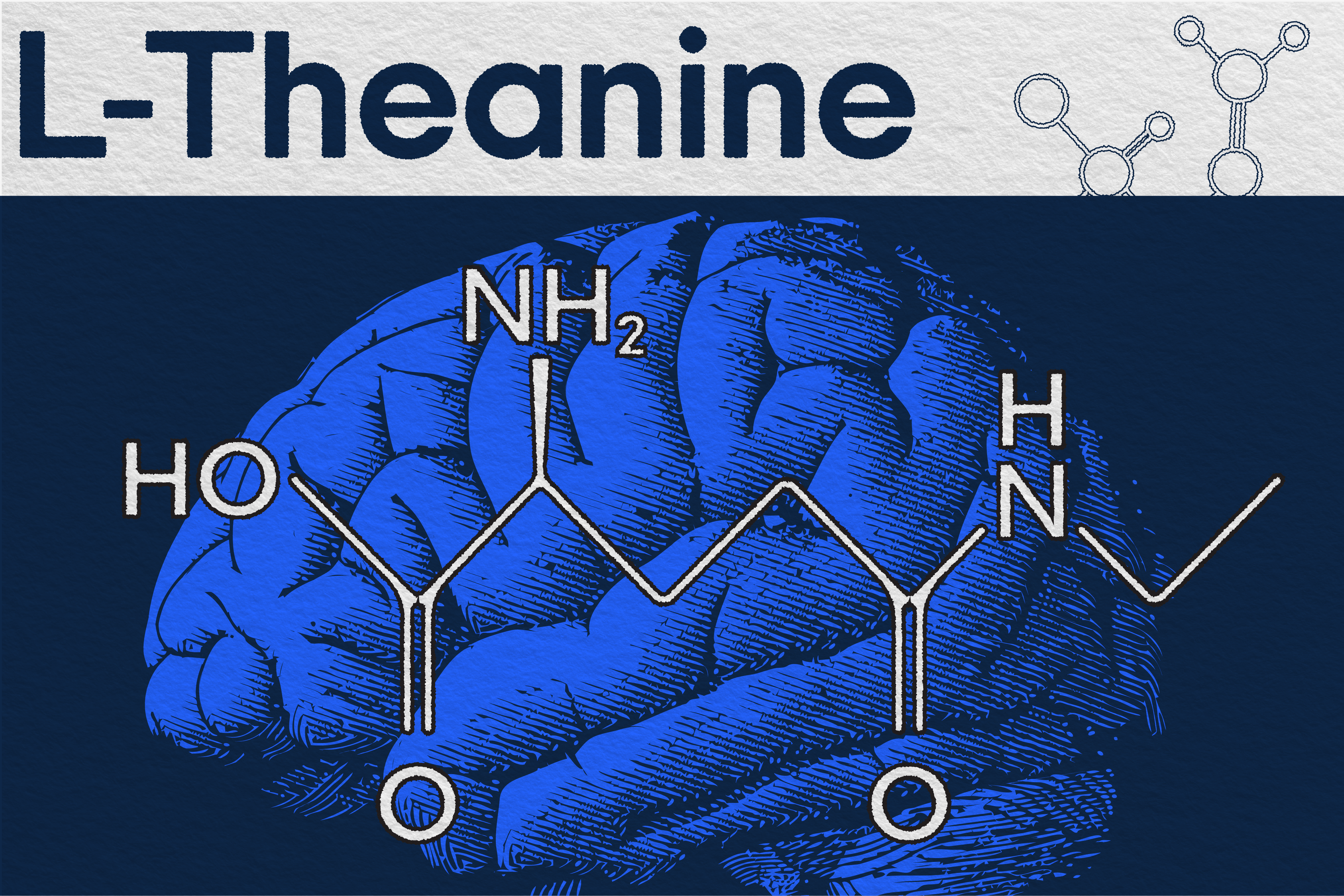
L-theanine has become your beverage’s favorite amino acid. Showing up in sparkling waters, mocktails, and other ready-to-drink concoctions, L-theanine has a host of purported benefits for your brain—but what is L-theanine, exactly?

Science points to its unique ability to promote a state of relaxed alertness, thanks to its role in increasing alpha-brain waves. Even better, it pairs beautifully with caffeine, the psychoactive substance 80% of the world’s population consumes every day to get some pep in their step—so, together, L-theanine and caffeine can support a more balanced, steady energy for staying clear-headed.

This guide unpacks everything office managers need to know before stocking those cans. In this guide, we’ll break down what L-theanine is, the research-backed benefits for mood and attention, how it interacts with caffeine, safe dosage guidelines, and practical tips for weaving it into your workday. By the end, you’ll be up-to-speed on this amino acid L-theanine and how it supports calm, sustainable productivity.

What is L-theanine? Understanding this popular nootropic

This amino acid derives from the leaves of Camellia sinensis, the same evergreen shrub that gives us green and black tea. While it is technically a nootropic, it belongs to the growing class of nutrients studied for gently enhancing cognition rather than overstimulating it. 

Once absorbed, L-theanine slips through the blood-brain barrier and has an effect on cognitive function, research shows. L-theanine may boost levels of calming gamma-aminobutyric acid (GABA) and can fine-tune the balance of dopamine and serotonin. The result is a distinctive mental state researchers call relaxed alertness.” Heart-rate and stress hormones drift downward, but alpha brain-wave activity (associated with attentive wakefulness) ticks upward. In layman’s terms, it helps you feel calm and clear, supporting focus without drowsiness.

Research backs it up. One study found that 200 mg of L-theanine increased alpha-wave generation within 45 minutes, improving attention during demanding cognitive tasks while lowering self-reported tension.

Follow-up research shows that pairing L-theanine with caffeine can improve attention and working memory compared with caffeine alone.

Thanks to this blend of calm and concentration, with a safety profile recognized by the FDA as Generally Recognized as Safe (GRAS), L-theanine has become a staple ingredient in beverages and gummies aimed at stress-prone professionals who want increased focus without compromise.

The benefits of L-theanine: a sharper, calmer you

Focus in

Clinical data show L-theanine can improve attention. In a double-blind trial, adults who swallowed 100 milligrams of L-theanine plus caffeine made more accurate choices on a sustained-attention task than those on caffeine alone, with fewer “mind-wandering” errors. A 2021 meta-analysis pooling nine randomized studies echoed the result: small doses of L-theanine improved reaction time and working memory, useful for improved focus.

Relaxation minus the fog

Systematic reviews of EEG studies confirm L-theanine reliably increases the brain’s alpha-wave activity, the same rhythm linked to relaxed wakefulness. Participants report feeling less tense, yet objective tests show no drop in alertness or processing speed. In practical terms, it feels like the mental quiet you get after deep breathing, without the yawn. That balance is why formulators pitch L-theanine as “relaxed alertness” rather than a sedative.

Mood that stays on an even keel

In a randomized, placebo-controlled trial, 200 mg/day of L-theanine for 4 weeks reduced self-reported anxiety and improved sleep quality in healthy adults with stress-related complaints, alongside selective gains in cognitive measures. Complementary data shows that L-theanine can raise frontal alpha activity and lower cortisol during an acute stress challenge, a pattern consistent with measurable relaxation without sedation. Broader syntheses report small but meaningful reductions in anxiety symptoms across clinical and non-clinical samples, while noting that effects vary by dose, population, and study design.

The bottom line

Across controlled trials and meta-analyses, L-theanine stands out for two verified benefits: clearer focus as well as a calmer and steadier mood. Those effects appear at everyday doses found in functional drinks and supplements, making the compound a science-backed ally for busy professionals who need to stay sharp and centered.

L-theanine and caffeine: A synergistic duo

The real magic of L-theanine shows up when it teams up with caffeine.

On its own, caffeine delivers a quick kick.

On its own, L-theanine brings grounded calm and focus.

Together, you get alertness that stays sharp and steady, a more even lift that supports multi-hour concentration. If you need a fast surge before a presentation, a higher-caffeine beverage, like a coffee, still has a place. For deep work and long meetings, a moderate dose of caffeine paired with L-theanine is often the better fit.

Studies show that L-theanine taken alongside caffeine sharpens reaction time and working memory while dialing back self-reported jitters and blood-pressure spikes. Theanine softens caffeine’s surge by modulating glutamate and boosting gamma-aminobutyric acid (GABA), so alertness rises smoothly and plateaus instead of crashing, ideal for back-to-back meetings or deep-work sprints.

It’s no wonder functional beverage makers are building entire products around this duo. Mushroom coffee brands like Four Sigmatic, Ryze, and Everyday Dose cut back on traditional coffee roast, add brain-boosting lion’s mane extract, and layer in L-theanine for what they market as “calmer focus”.

Practical use: dosage, timing, and how to get the most from L-theanine

L-theanine is one of those rare ingredients that’s both effective and flexible, you can work it into your day in a way that matches your energy needs. Here’s how to make it work for you.

How much L-theanine per day?

Most studies point to 100 to 200 mg as the sweet spot, whether taken on its own or alongside an equal amount of caffeine.

When to take L-theanine

How long does L-theanine last?

You’ll typically feel that “relaxed alertness” within 30 to 45 minutes. Effects peak at about an hour and then fade gradually over the next 8 to 12 hours. Because there’s no crash, one or two doses spaced through the workday can cover everything from morning meetings to late-afternoon creative sprints—plus the commute home.

Understanding the potential side effects of L-theanine

L-theanine is generally considered very safe. Most studies show it’s well tolerated, even at daily amounts up to 400 mg. In rare cases, people have reported mild headaches, brief stomach discomfort, or a small drop in blood pressure.  Always consult your doctor before taking any supplements, especially if you’re pregnant or breastfeeding, have a medical condition, take mood stabilizers, stack multiple nootropics, or use other forms of medication. Do not take L-theanine or caffeine, if you are allergic or have previously exhibited negative side effects. 

L-theanine is generally well tolerated for daytime use, with most people describing a clear, calm feel rather than drowsiness. Still, certain groups should proceed carefully. If you take mood stabilizers, are pregnant or breastfeeding, or stack multiple nootropics,  get guidance from your healthcare provider before adding this supplement.

Take-home insight

L-theanine has become a staple in functional beverages for a reason. That rare balance of calm, steady focus without the crash. At Bevi, we’re building on that science with hydration that works harder for you. Our new Focus Blend combines L-theanine with 100% natural caffeine, all delivered in purified water with customizable flavors, right from your Bevi water cooler. It’s an easy way for teams to enjoy balanced energy with every refill—without leaving you feeling wired.

Hydrate happy. Focus sharp.

Discover Bevi’s smart water coolers and add Focus Blend to your lineup; you’ll feel the difference, and so will your team.

Read the latest on Bevi's blog

Stevia 101: Is stevia bad for you?

Stevia has earned prime real estate on low-sugar food and beverage labels without many people knowing much about it, how it works, or the plant it comes from. Is stevia safe to consume? Or is stevia just flat out bad for you?

This guide pares back the hype. We’ll start at stevia’s Guaraní roots, follow its bumpy path through FDA scrutiny, and explain why purified steviol glycosides don’t raise blood sugar or insulin. That makes stevia a remarkable sugar substitute worthy of the hype and admiration.

So no, stevia isn't bad for you: in moderation, it shows no adverse effects on glucose control or gut health.

Whether or not you like drinking stevia, though, kind of comes down to you and your personal taste preferences.

By the end of this guide, you’ll have the facts and sources to decide whether stevia belongs in your daily hydration routine.

What is stevia?

Stevia refers to sweeteners extracted from the leaves of Stevia rebaudiana, a shrub native to the highlands of Paraguay and Brazil where it has flavored maté and herbal tonics for centuries. Its leaf cells house a cache of steviol glycosides (chiefly stevioside and rebaudioside A): diterpene molecules that bind to sweet-taste receptors at concentrations up to 300 times stronger than sucrose while adding zero digestible calories. Because enzymes can’t break these glycosides into glucose, they stay intact through baking, pasteurization, and long shelf-life storage.

A pinch of purified stevia can sweeten a whole liter of sparkling water without nudging the nutrition panel above zero.

In today’s marketplace, you’ll see two main formats:

That evolution, from raw herb to next-gen glycoside, lets stevia deliver intense sweetness, heat stability, and label-friendly calorie counts, making it a versatile tool for beverage formulators chasing claims of no added sugar.

Is stevia safe?

Despite almost two decades of widespread adoption, this question still pops up on wellness forums. Much of the confusion dates back to 1991, when the FDA blocked stevia imports after early animal studies flagged possible fertility issues. Critics argued that the move favored established sugar-substitute lobbies.

Safety data kept accumulating. By 1995 the agency relaxed its stance enough to let stevia be sold as a dietary supplement, and global regulators weighed in: Japan had used the leaf for decades without incident, while WHO toxicologists found no mutagenic or carcinogenic signals. The tipping point arrived in December 2008, when the FDA granted GRAS status to steviol glycosides that are at least 95% pure, most notably rebaudioside A. Whole-leaf powders remain off the GRAS list, but purified extracts are cleared for mainstream foods and beverages.

Today, authoritative bodies, including EFSA and JECFA, set an acceptable daily intake of 4mg per kg body weight for steviol glycosides, a margin generous enough that even heavy stevia users rarely reach half that level. Long-term studies in both diabetic and healthy subjects show no adverse effects on glucose control, fertility, or gut health.

So, is stevia healthy?

In moderation, science says yes: zero calories, negligible glycemic impact, and an enviable safety résumé built on decades of global use. Public skepticism lingers, but the data gives consumers solid ground to treat purified stevia as a reliable sugar alternative.

For those readers with a sweet tooth

How stevia behaves in your body

Steviol glycosides glide through digestion largely unchanged. Gut microbes snip off tiny glucose side chains, but that fuel is eaten by the bacteria themselves, so does stevia raise blood sugar? 

Human trials say no: in people with type-2 diabetes, stevia-sweetened beverages left post-meal glucose, insulin, and HbA1c virtually identical to water, while sucrose spiked all three metrics.

Because a teaspoon of high-purity extract adds sweetness without calories, swapping sugar for stevia can trim daily energy intake. One meta-analysis linked consistent use to modest reductions in body weight and systolic blood pressure. And unlike fermentable sugars, stevia can’t feed oral bacteria, so it doesn’t promote cavity-forming acids, earning a nod from preventive-dentistry researchers.

Still, intermittent fasters may wonder: “Does stevia break a fast?” Most clinicians say a couple of drops won’t derail metabolic fasting: no calories, no insulin surge, no glycogen refill. Purists may avoid everything besides plain water, but mainstream protocols allow it in black coffee or flavored water without breaking the fast state.

Bottom line: stevia provides sweetness with negligible metabolic baggage. It’s helpful for glucose management, calorie control, and even dental health. However, it contributes no vitamins or minerals, so it’s best viewed as a strategic sugar swap rather than a nutrient source.

Is stevia an artificial sweetener?

No, stevia's not an artificial sweetener.

Stevia’s sweetness starts in the leaves of Stevia rebaudiana, not a lab bench, so, by definition, it isn’t an artificial sweetener like sucralose or aspartame. Still, the leaf doesn’t go straight into your beverage. To remove bitterness, producers water-extract the leaves, filter out plant solids, and crystallize steviol glycosides to ≥ 95% purity—the threshold the FDA accepts for food use.

That refinement leads some shoppers to question the “all-natural” claim, especially when packets arrive blended with bulking agents such as dextrose or erythritol. Rest assured, the ingredients themselves are natural, but the outcome you’re looking at is the result of an involved process. The sweetness comes from a plant molecule, but the final product is a highly purified extract, not a raw powder of the original leaf. Knowing that distinction helps consumers judge labels with clearer expectations.

Stevia in the market: from niche to mainstream

Once the FDA granted GRAS status to purified glycosides in late 2008, brands pounced. Analysts logged a 200% surge in stevia-sweetened product launches between mid-2009 and mid-2010, lifting global sales to about $285 million by the end of that year. 

Throughout the 2010s, stevia shed its “health-food-aisle” image and became a go-to sugar substitute in bars, yogurts, and beverages, often blended with erythritol to soften any licorice edge. Ingredient suppliers refined the leaf even further, isolating newer glycosides such as Reb D and Reb M for a cleaner, cane-like profile, technology now commercialized by firms like Ingredion.

Beverages remain the growth engine. Zero-calorie soda pioneer Zevia posted double-digit revenue gains in 2022, while Coca-Cola’s Vitaminwater Zero and Bai antioxidant drinks flaunt stevia on every label. Even mass retailers are curating “Modern Soda” bays stocked with probiotic tonics, mocktails, and plant milks that lean on stevia to hit “no added sugar” targets. 

With public-health guidelines hammering home the need to cut sucrose and HFCS, expect the sweet leaf to keep branching into functional blends: think prebiotic fibers plus next-gen glycosides, solidifying stevia’s role in tomorrow’s beverage aisle.

Stevia's sweet spot

From its Guaraní roots to FDA GRAS approval, stevia has proved that a leaf can deliver big flavor with virtually no metabolic cost. Highly purified glycosides supply cane-level sweetness, zero calories, and a blood-sugar impact so small it slips under clinical radars. The safety ledger, endorsed by the FDA, EFSA, and WHO, confirms that “plant-derived” can also mean science-backed.

For wellness-minded drinkers, that means a practical path to cutting added sugar without defaulting to synthetic sweeteners. 

At Bevi, we believe informed choices are the first step toward healthier hydration. Keep scanning labels, stay curious about what’s in your cup, and explore beverage options that match both your flavor goals and your nutritional priorities.

Read the latest stories on beverage and ingredient trends (plus other topics, like water filtration and plastic pollution) on Bevi's blog.

Focus Blend: Calm, lasting focus without high caffeine

Bevi survey of 1,000 U.S. employees reveals what’s really distracting workers today and inspires the launch of Focus Blend, a clean, customizable enhancement.

September 9, 2025.  Americans are more distracted these days. Constant notifications, endless social media feeds, and a 24/7 news cycle all pull our attention in different directions every day, especially at work. To dig deeper into the challenges people face when trying to focus at work, Bevi asked 1,000 employees across various U.S. industries what helps – and what hurts – their ability to concentrate during the workday. The results reveal not only the biggest productivity disruptors, but also how they vary by generation. 

Survey Results

Other Key Callouts:

While nearly half (45.9%) said they somewhat understand how nutrients can impact focus, many admitted they were confused and eager to learn more. With 72.2% expressing interest in a focus-enhancing beverage, Focus Blend was designed to close that gap offering a simple, customizable way to stay sharp whether in offices, schools, healthcare facilities, or anywhere focus matters.

“The functional beverage category is one of the fastest-growing in the industry, projected to surge from $153 billion in 2024 to more than $232 billion by 2032 and our survey shows nearly three-quarters of employees want a drink that helps them focus,” said Cathy Lewenberg, CEO at Bevi. “With Focus Blend, we’re addressing that need head-on, offering a clean, customizable way to stay sharp.”

Focus Blend, Bevi’s first-ever enhancement designed to deliver calm, lasting focus without the high caffeine of traditional energy drinks, is available exclusively from Bevi’s Smart Water Coolers®. Hydration in general is key to maintaining optimal brain health, as even mild dehydration can impact cognitive abilities, and Focus Blend is taking hydration to the next level.  Naturally sourced from green coffee beans and paired with L-theanine to promote a calm, focused mind, B12 to support brain health, and magnesium to aid nerve function, it’s the perfect addition to your hydration routine. Just like other Bevi enhancements, users can add Focus Blend to still or sparkling water, plain or flavored. Unlike traditional energy drinks or a strong cup of coffee, Focus Blend delivers a gentle lift at 20 mg (low), a balanced bump at 40 mg (medium), or a more energized option at 60 mg (high) per 12 oz.  With zero sugar, zero calories, and no added flavors or colors, Focus Blend is a wellness-forward functional enhancement designed for everyday use. 

The survey findings make clear: people want beverages that not only taste great but help them perform their best – exactly what Focus Blend was designed to deliver. To learn more, visit bevi.co/get-a-quote/.

FAQS

What is Focus Blend? 

Focus Blend is a lightly caffeinated, functional beverage designed for clarity and a calm focus effect without feeling wired. It’s our newest enhancement designed to help you stay sharp and feel energized, without a high dose of caffeine. 

What makes Focus Blend different from coffee or energy drinks? 

Unlike traditional energy drinks or strong coffee, Focus Blend uses: 

Can it be combined with other flavors or enhancements? 

Absolutely! It pairs well with all flavor concentrates and can be combined with Vitamin Boost or Electrolytes. 

What does Focus Blend taste like? 

Focus Blend does not have a strong taste or smell. Perfect to have on its own with water or paired with your favorite flavor.

How much caffeine is in Focus Blend? 

Focus Blend contains a gentle amount of caffeine, similar to a cup of green or black tea—perfect for a subtle lift without feeling wired. Focus Blend has a three position slider for: standard strength, lower strength, and higher strength. The caffeine content per 12oz serving: 20mg (lower setting), 40mg (default), 60mg (higher setting). 

Where does the caffeine come from? 

The caffeine is naturally sourced from green coffee beans.

How does Focus Blend work?

 Focus Blend is formulated using ingredients that have been studied for their effects on energy, focus, and mood. B vitamins, magnesium, and L-theanine, are widely researched as supporting brain function and balanced energy. 

Will I feel an effect? 

While individual experiences may vary, the majority of participants in our trial reported feeling a noticeable effect after drinking Focus Blend. Of those who noticed a difference, 75% said they felt more focused or energized. 

When should I use Focus Blend? 

Anytime you need a mental refresh: during an afternoon slump, while working, studying, or after a long meeting. It’s designed to help you feel calmly alert, not hyper. 

Will it make me feel wired later? 

Nope! Focus Blend is designed for a smooth, lasting focus. The combination of L-theanine and low-dose caffeine supports focus and calm, while avoiding feeling wired. 

Is it safe to use daily? 

Yes, but those with an underlying health condition should seek the advice of their healthcare professional! Focus Blend uses safe, food-grade ingredients that are commonly found in supplements and beverages. 

Can Focus Blend and Energy Boost both be in one Bevi machine? 

Yes, you can install both beverage options side by side in a Bevi machine! The caffeine counter will tell consumers how much caffeine they put in each drink. 

What makes Focus Blend different from coffee, energy drinks, or Bevi's Energy Boost? 

Bevi's Energy Boost delivers more caffeine for a faster and greater energizing effect. Focus Blend on the other hand is designed to provide a more balanced effect. 

When will Focus Blend be available? 

Focus Blend will become available for purchase in September 2025. 

Where will Focus Blend be available? 

Focus Blend will only be available in the US at this time. 

What if I have other questions? 

Please forward any other questions to focus@bevi.co.

Blog series: The rise of today's iconic drink brands


Last updated April 25, 2025.

How the biggest drink brands got their start and the new beverage innovations trying to take them down.

At Bevi, we believe beverages are more than the bottles they come in. 

They keep us healthy and hydrated, satisfy our cravings, and bring us together. A morning coffee. An afternoon water cooler break. An evening drink. The single-use bottle they come in might be a complete waste, but how these beverages are formulated speaks to our unique experiences, cultures, and preferences.

In the process of shaping what we drink, the brands behind these popular beverages shape how we see ourselves. That is why we’re exploring the rise of today’s most iconic drink brands, from fast-food cult classics to punk-rock canned water, in this Bevi editorial series.

As we detail their stories, we hope to inspire you to think more deeply about the choices you make at the fridge and the checkout counter. Or, at the very least, we hope you recognize how the iconic beverage you’re buying came to be.

If you are looking for healthier alternatives to these classic drink brands, Bevi offers 20 flavors and enhancements that can be combined to make 48,000 different sparkling and still beverages.

Latest drink brands coverage

History of Starry soda and other lemon-lime sodas // Sprite has led the lemon-lime soda category for decades. What shot does Starry soda have at dethroning the king?
Poppi vs. OLIPOP: The rapid rise of better-for-you soda // Poppi soda and OLIPOP started as small-scale experiments. How did they make off with a soda category long dominated by Big Beverage?

Have a drink brand you'd like to see us profile? Send your ideas to hello@bevi.co and we'll follow up if it looks like the right fit for this series.

You may also like these stories

Owala water bottle vs. Stanley Quencher: Choosing the best stainless steel water bottle


Last updated May 15, 2025.

Stainless steel water bottles are no longer functional products for hikers and gym-goers alone. They are mainstream lifestyle items, everyday essentials for maximizing the joy of hydration and minimizing the need for disposable (or reusable) plastic bottles.

What started as niche gear has exploded into a $9+ billion global industry, and the U.S. market has produced a revolving cast of reusable branded bottles over the last two decades, from Hydro Flask and YETI to Stanley and Owala. How do you tell them apart? What actually makes for the best stainless steel water bottle?

The short answer is somewhere at the intersection of form, function, and fashion. All the major players—Owala, Stanley, Klean Kanteen, YETI, Hydro Flask, and S’well—have cultivated loyal fans by finding their own unique territory in the overlap of that three-part Venn diagram. 

Below, we break down what makes each stainless steel water bottle unique and how the biggest brands stack up.

The basics: what consumers want from their stainless steel water bottles

Whether someone’s shopping for a stainless steel water bottle that can survive a 10-hour hike, sit in a car all day without losing its chill, or just sit pretty on a desk, here’s what matters:


Owala: The fast-rising, highly-functional stainless steel water bottle disruptor

If you're wondering why the phrase “Owala water bottle” is all over TikTok or the hashtag #owala has hundreds of millions of associated posts, here’s your chance to get caught up. A pastel-color phenomenon, Owala water bottles can be open, closed, and consumed with one hand thanks to their ergonomic design extending from bottle to cap. 

Owala's FreeSip bottle was named one of TIME’s Best Inventions of 2023 and became the top-selling water bottle in the U.S. by 2023 retail data.

What makes Owala water bottles so popular?

Why is it called Owala?

Owala has not publicly disclosed any information about the origin of its name. “We’ll keep that one close to the vest, but we sure love hearing everyone’s theories!” a company representative told Spoon University via email. Some TikTokers speculate it’s a play on the fact that you look like a koala head-on when the cap is flipped up and you're drinking from the bottle. Others think the name is just fun to say.

Is Owala dishwasher safe?

According to the company's website, the lid of an Owala water bottle can go in the top-rack of the dishwasher, the straw can go in the silverware bin, and the cups are best hand-washed to maintain their coating.


Stanley: From Grandpa’s thermos to social media’s favorite tumbler

The first Stanley product I bought was a flask, a keepsake for camping trips and bonfires on the beach. It came in the brand’s signature Hammertone green, though I didn’t know that was an iconic color at the time. The build quality was excellent, and over the past decade, the flask has held up, adventure after adventure.

Back when I bought that flask, Stanley’s website still looked like a workwear catalog. In just 10 years, the 110-year-old heritage brand has upped its appeal and exploded into mainstream drinkware lore thanks to a product built far tougher than my flask: a 40 oz. Quencher tumbler that can keep water cold even when everything around it is on fire


Owala vs. Stanley

Stanley is currently the most dominant name in the space, a larger retail footprint and higher overall sales volume (although momentum is slowing).

Owala is a fast-moving upstart appealing to Gen Z with bold colorways and a unique lid design which may snatch away Stanley's crown; Owala became America's top-selling stainless steel water bottle in 2023.

At the end of the day, the choice is yours. Both bottles are remarkably well-designed, aesthetic, and can last forever with the right care.


YETI: The original premium player

YETI’s drinkware took off the same way its coolers did: by being virtually indestructible and over-engineered for performance.


Hydro Flask: Youth favorite turned stainless steel water bottle classic

Hydro Flask helped turn stainless steel into a fashion statement in the 2010s. With its powder-coated colors, wide mouth opening, and simple aesthetic, Hydro Flask became a top pick among students.


Klean Kanteen: The sustainability original

Klean Kanteen was the first to bring stainless steel water bottles to the U.S. market in 2004. It built its brand around sustainability and health.


S’well: Where fashion met function

Founded in 2010, S’well pioneered the idea of the water bottle as a designer object.


Final thoughts: The best stainless steel water bottle depends on you

Every stainless steel bottled brand mentioned here has succeeded by answering a different consumer need. If you want trend-right color drops and a lid that lets you sip or chug, Owala might be the move. If you want a giant, handled, straw-topped bottle that keeps drinks cold no matter what, Stanley’s hard to beat. YETI’s for those who want rugged reliability; Hydro Flask for classic utility; Klean Kanteen for sustainability; S’well for understated style.

One thing they all share: they're making it easier—and cooler—for people to ditch plastic and stay hydrated.

The best stainless steel water bottle is the one you actually want to use every day. Bevi is proud of you, the reader for choosing a sustainable drinking options vs. a single use water bottle!

Read the latest on Bevi's blog

Poppi vs. OLIPOP: The rapid rise of better-for-you soda

Poppi soda started as a kitchen experiment with apple cider vinegar. Today, it's winning over consumers and answering the call for functional ingredients in a sugar-saturated soda category that's slipping away from the biggest names in beverage.


Last updated April 15, 2025.

For decades, soda held a fixed place in American life. Cracking a cold can. The fizz. That first sip. Aaaaahhhh. It's a beverage that's tied to memories as much as the meals we drank it with. The taste of summer barbecues, long road trips, movie nights. Sweet indulgence.

But soda has, in the last three decades, especially now in light of prebiotic Poppi soda getting acquired last month for $1.95 billion, undergone a change. The warm, familiar glow of classic soda brands has dimmed. Growing concerns about sugar overload, artificial sweeteners, and an utter lack of nutritional value have made even the most devoted soda fans second-guess their nostalgic choices.

One door opens as another closes. Brands like Poppi soda and its fiber-forward counterpart, OLIPOP, have pioneered a new healthy soda category with purported functional benefits. Poppi, in particular, has become a breakout beverage and is on its way to being a household name.

How legacy soda brands lost control of their category

For decades, soda giants sat comfortably atop the beverage world. The formula seemed unshakable: deliver big, bold flavors, anchor them in iconic branding, and keep consumers coming back for that sweet, carbonated hit of Americana.

Then, we learned the cane sugar in soda ain’t so sweet. Starting in the late 1990s, studies linked sugary drinks to weight gain, fueling growing concerns about health risks, such as obesity and diabetes, from excessive soda consumption. The sugary, fizzy beverage shifted from comfort to liability. Familiar favorites became harder to justify. Consumers started buying fewer soda bottles.

The modern health movement in America also picked up in the early 2000s, contributing to this decline in soda sales. People began paying closer attention to what they were eating and drinking. They wanted to understand, increasingly, the origins of their food. Food tracking apps, clean-label packaging, and clean eating philosophies pushed ingredient transparency to the forefront.

What's in this drink? How is it helping my health?

Soda consumption in the U.S. fell from nearly 53 gallons per person annually in 1998 to below 39 gallons by 2018—a 26% decline in just two decades.

Legacy soda brands fumbled their response. They doubled down on diet versions, amping up the relative safety of artificial sweeteners. But this solution quickly soured. Research raised new alarms about potential health risks tied to those very sweeteners, such as increased risks of heart attacks and strokes.

Consumer trust eroded further, and brands like Coke and Pepsi found themselves caught in a trap. Wary of changing their flagship formulas, yet hesitant to launch truly innovative new products, they largely chose to acquire other beverage brands rather than invent.

Late-millienials and early-Gen Z let the soda go flat

Younger generations were kicking the classic soda habit the most. Between the mid-2000s and late 2010s, teen soft drink consumption plummeted by nearly 60%. Surveys confirmed that this move away from traditional sodas was an intentional search for beverages that better aligned with their personal values: natural ingredients, functional benefits, and health-forward choices. 

In that vacuum, sparkling water found its moment. LaCroix, once a little-known regional player, skyrocketed from $65 million in 2010 to over $226 million by 2015—a meteoric 247% rise. Spindrift followed suit, experiencing a remarkable 800% growth between 2016 and 2018.

But even as sparkling water began pulling share from Big Soda, a bigger opportunity was quietly forming on the horizon. Functional sodas—the answer to consumers craving the fun and flavor of their terrible-for-you fizzy drink, reimagined to be better-for-you—started to take shape. Today, these low-sugar, functional-ingredient-laden sodas claim about 2.7% of the U.S. carbonated beverage market, with projections suggesting the category could surge toward $2 billion in sales by 2029.

Which raises a fascinating question: how did this all happen so fast? How did soda—a category once defined by its sugary excess—get flipped on its head and reinvented as a functional, feel-good staple?

To answer that, let’s start at the beginning. Specifically, in a home kitchen in Texas, where a determined founder took a vinegar-based home remedy and sparked a beverage revolution.

What comes next for soda when Americans no longer crave the sugar?

Poppi soda 1.0: From home remedy to Shark Tank gamble

Allison Ellsworth was battling persistent health issues and searching for natural remedies that worked. She stumbled upon apple cider vinegar (ACV), lauded for its high acetic acid content, known to help lower blood sugar and combat harmful bacteria in the body. Determined, she began taking daily shots of the acidic elixir. But as anyone who’s tried a straight shot of ACV knows, it’s an eye-watering experience—harsh on the throat and tough on the stomach lining.

Ellsworth believed deeply in the health potential of ACV, particularly the mysterious “mother” substance found in unfiltered vinegar; a cloudy collection of proteins, enzymes, and friendly bacteria that some consider the secret to ACV’s health benefits (though clinical proof remains limited). She and her husband Stephen set out to solve the problem: how could they preserve the benefits of ACV but make it drinkable, maybe even refreshing?

Through plenty of trial and error, they created a prototype that blended ACV with fruit juices and natural sweeteners to tame its aggressive bite. What they developed exceeded expectations. It was a bright, slightly tart, and genuinely refreshing beverage that delivered health perks without the vinegar sting.

In 2018, the Ellsworths took their fledgling drink, then branded as Mother Beverage, to Shark Tank. Most of the Sharks were unimpressed, visibly recoiling at the vinegar-forward flavor. But one saw beyond the pucker. Rohan Oza, the brand-building force behind Vitaminwater and Bai, asked, “Do you have a functional story?” Oza understood that a beverage’s success wasn’t just about taste. It was about what people believed drinking the beverage would bring them. Health. Wellness.

Taking a chance on the gut-friendly concoction, Oza invested at a $1.6 million valuation for a 25% stake in the company. Little did he know, this would become the highest ROI investment in Shark Tank history: seven years later, Poppi’s sale to PepsiCo at a $1.95 billion valuation has the potential to transform his early investment, should his shares have remained undiluted, into a nearly $500 million stake in the future of soda.

Still, in its early Mother Beverage days, this was just a scrappy kitchen project with a dedicated following. Not a cultural icon (yet). That part was still to come.

Poppi 2.0: Reinventing soda for the wellness generation

Following Shark Tank, the founders realized Mother Beverage needed more than a functional story—it needed a cultural one. That’s where they turned to Poppi: a name change that perfectly captured the brand’s fizzy, approachable personality and helped distance it from the vinegar-heavy health tonic perception.

The rebranding was much more than cosmetic. The team amplified everything that made their drink feel fresh and fun. Out went the apothecary-style branding of Mother Beverage; in came candy-colored cans, sun-soaked pastel palettes, and cheeky, irreverent tone. Poppi quickly became Instagram gold, with influencers flaunting rainbow-hued cans in sun-dappled kitchens and beachy picnics. The visuals alone screamed: this is not your mother’s health drink.

Poppi’s playbook was smart: pair wellness with whimsy. Flavors like Strawberry Lemon and Raspberry Rose delivered nostalgic nods to soda classics, but with none of the sugary baggage. Each can packed a modest 20 calories, around 5 grams of sugar, and a dash of ACV, giving it the credibility of a functional beverage without overwhelming the palate.

The strategy worked. Poppi’s growth exploded: sales crossed $50 million in 2021 and doubled to around $100 million by 2023. The company reported 148% year-over-year growth in 2022 alone as it expanded into major retailers and carved out space next to kombuchas and sparkling waters on supermarket shelves.

The culmination of Poppi’s meteoric rise came in March 2025, when PepsiCo acquired the brand for nearly $2 billion. This move sent shockwaves through the beverage industry because it validated the entire “better-for-you soda” category. Big Beverage had made it clear: functional fizz is the future.

Yet even in the glow of its success, Poppi’s journey is more revealing than it is triumphant. The brand’s ascent underscores the cultural craving for drinks that do more than quench thirst. Consumers today want beverages that reflect their values: wellness-oriented, visually joyful, and socially shareable.

OLIPOP soda enters the chat: the fiber-forward challenger

Poppi may have captured the cultural zeitgeist with its Instagram-worthy aesthetic, but it’s far from the only innovator redefining the soda aisle. Enter OLIPOP, a brand that took a more scientific route to soda reinvention, proving there’s more than one way to stand out and gain market share in the better-for-you soda moment.

Founded by functional beverage veterans Ben Goodwin and David Lester, OLIPOP's story begins in the lab. Both founders were deeply invested in the science of gut health and the gut microbiome long before it became mainstream dinner party conversation. Their mission was to create a drink that supported digestive health while tasting indulgent enough to tempt even the most committed cola drinker. Great for your body, great for your tastebuds.

The key to walking this fine line? Fiber.

Fiber is one of the most important nutrients for long-term health and longevity, helping to maintain digestive health, regulate blood sugar, and even lower cholesterol levels. In fact, dietary fiber is so essential that experts regularly cite it as a cornerstone of preventative nutrition.

Each can of OLIPOP soda boasts about 9 grams of dietary fiber per can: that’s roughly a third of the daily recommended intake, stealthily packed into flavors like root beer and cream soda that recall our soda shop favorites. OLIPOP's fiber boost comes from an impressive roster of plant-based ingredients: marshmallow root, slippery elm, chicory root, cassava fiber, and more—all ingredients more at home in a naturopath’s apothecary than your average vending machine.

OLIPOP soda puts strategy on a shelf

But OLIPOP's success isn’t just rooted in its ingredient list. It’s in the way the brand has smartly mapped its growth strategy around consumer behavior and retail expansion. While many brands scrambled to build direct-to-consumer social media or digital channels during the pandemic, OLIPOP kept to a retail-first approach. They strategically targeted natural food retailers and quickly expanded into mainstream heavyweights like Whole Foods, Target, and Kroger. By 2023, they had earned shelf space in over 20,000 stores nationwide, jumping from easy-to-miss specialty sections to aisle endcap displays.

This expansive retail footprint paid off handsomely. In 2023, OLIPOP surpassed $200 million in sales. By 2024, their revenue had doubled to nearly $400 million. Unlike brands that rely heavily on social buzz or digital channels, OLIPOP built its foundation on strong physical presence, ensuring consumers could discover their products while shopping for everyday essentials.

That said, OLIPOP has skillfully complemented its retail dominance with a clever dose of cultural relevance. Like Poppi, they’ve embraced social media to amplify their reach, using influencer partnerships and TikTok-friendly campaigns to draw in younger, health-conscious audiences. But where Poppi plays in bright, breezy spaces, OLIPOP exudes an intellectual charm, appealing to label-readers and wellness seekers who appreciate both nostalgia and nutritional rigor.

And while both brands champion gut health, OLIPOP distinguishes itself with its depth of scientific validation. By clinically supporting their formulation and staying true to their functional roots, they’ve built a playbook for the next generation of better-for-you beverages—drinks that don’t just promise wellness, but deliver it.

While Poppi and OLIPOP take different paths to gut health, they’re united by a common goal: reinvent soda for the wellness generation.

what is next for health sodas like poppi soda
In the drive to be in the next big thing in better-for-you soda, which brand will win? And is this really a competition, or a team event?

OLIPOP vs. Poppi: competitors or co-creators of a category?

It’s tempting to pit Poppi and OLIPOP against each other in a “healthy soda showdown,” but the reality is far more collaborative. Together, they’ve built the scaffolding of an entirely new beverage category—one that’s big enough for both to thrive.

What’s remarkable is how these two brands have collectively validated the healthy soda category. By addressing consumer desires for flavor, nostalgia, and functionality, they’ve proven there’s robust demand for soda alternatives that don’t sacrifice health goals.

Looking ahead, their success is likely to inspire a new wave of functional sodas and hybrid beverages. Expect everything from sodas infused with adaptogens to hydration-boosting bubbles with added electrolytes. There’s plenty of fizz to go around.

What Poppi soda and OLIPOP tell us about the future of soda

Poppi soda and OLIPOP soda are signals of a shift in the beverage landscape. Consumers today are no longer satisfied with low calorie or diet alone. They expect their drinks to work harder: to taste great, support their health goals, and deliver a delightful experience from the first sip to the last bubble.

These brands have tapped into something deeper than just a trend. They’re reshaping soda into a functional, feel-good moment of joy—without the sugar crash. They’ve made the act of cracking open a can something you can feel genuinely good about.

What does this tell us about the future of soda? The soda aisle of tomorrow will look much of the same, bright colors and fun flavors, but what's underneath the label will be totally different.


Mini-FAQ

Is Poppi soda good for you?

Poppi offers a lower-sugar alternative to traditional soda, with prebiotic benefits from apple cider vinegar, but like any beverage, it’s best enjoyed as part of a balanced diet. As demand for gut-healthy sodas grows, a recent lawsuit against Poppi sodas challenges whether a few grams of fiber are enough to justify the claim that beverage company makes on each one of their cans.

Who owns Poppi soda?

As of 2025, Poppi is owned by PepsiCo, following their nearly $2 billion acquisition.

Does Poppi soda have caffeine?

Most Poppi flavors are caffeine-free, though their Classic Cola and Root Beer varieties contain small amounts of natural caffeine.

Is OLIPOP good for you?

OLIPOP is designed to support digestive health, with 9 grams of dietary fiber and a blend of botanicals, making it a better-for-you soda option when enjoyed in moderation.

Does OLIPOP have caffeine?

Some OLIPOP flavors, like Vintage Cola, contain a modest amount of caffeine, while most are caffeine-free.


Read the latest on Bevi's blog.